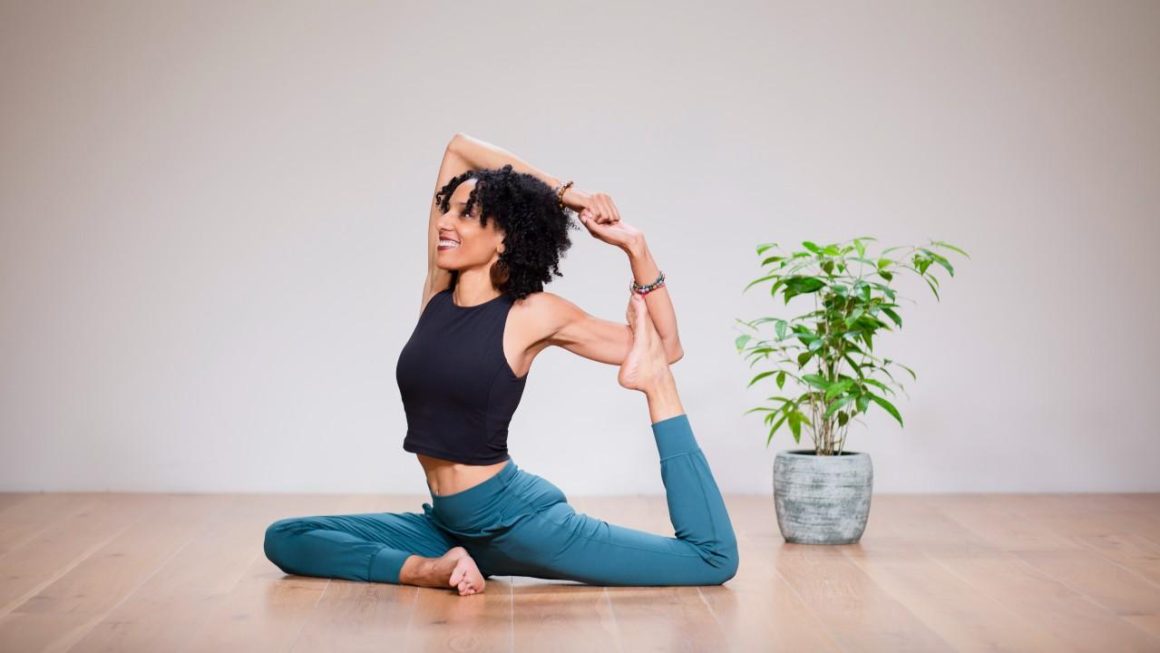

Hot yoga in Westwood offers a more intense setting for practicing familiar yoga postures, flowing between movements, and working with the breath. The heated room changes how the class feels, but it does not remove the need for careful alignment, appropriate pacing, or rest. Whether you are new to yoga or comparing different styles, understanding the format can help you choose a class that suits your experience and goals.
What is hot yoga?
Hot yoga is a broad term for yoga practiced in a deliberately heated room. Temperature and humidity vary by studio and class, so “hot yoga” does not describe one universal sequence. Some classes use a set series of postures, while others follow a vinyasa-style format with changing sequences, standing poses, strength work, balance exercises, and periods of stillness.
The heat can make movement feel more fluid and may temporarily increase the sensation of flexibility. It also makes the class physically demanding because the body must regulate its temperature while moving. This is different from slower styles such as restorative or yin yoga, which generally place more emphasis on relaxation, supported postures, and longer periods of stillness.
Why practice hot yoga in Westwood?
For many people, a heated class combines several elements of a fitness routine in one session: mobility work, muscular endurance, balance, breath awareness, and a sustained physical challenge. The concentrated environment can also encourage you to pay closer attention to breathing and bodily sensations.
It is important to keep expectations realistic. Sweating is a normal response to heat and exercise, but it should not be treated as proof that the body is being “detoxified.” The most useful measure of a class is whether it supports consistent, safe practice and fits your personal needs.
What to expect at a Westwood class
Arrive early for your first visit so you have time to check in, ask questions, and become familiar with the room. Some studios may require a waiver or have specific policies for mats, towels, clothing, and hydration.
A typical class may begin with breathwork and gentle movement before progressing to standing sequences, balance work, strengthening postures, and floor-based stretches. The pace and intensity depend on the instructor and class description. Teachers commonly offer variations, but you are responsible for choosing the version that feels appropriate.
- Bring water, a yoga mat, and a towel unless the studio provides them.
- Wear breathable clothing that allows unrestricted movement.
- Avoid treating the most advanced variation as the goal of the class.
- Take a child’s pose, lie down, or leave the room briefly if you feel unwell.
- Rehydrate and allow time to cool down after practice.
How to choose a hot yoga studio in Westwood
Start with the class description rather than assuming every heated session is alike. Beginners may prefer an introductory, slower-paced, or alignment-focused class. Students who already have a regular practice may want a more vigorous flow or a structured sequence.
When comparing yoga options in Westwood, consider the following:
- Instructor experience: Look for teachers who explain modifications and give clear guidance about working in heat.
- Class intensity: Check whether the session is designed for beginners, mixed levels, or experienced students.
- Room conditions: Ask about the typical temperature, humidity, ventilation, and cleaning procedures.
- Practical details: Compare schedules, drop-in policies, introductory offers, mat rentals, towel availability, and changing facilities.
- Teaching style: A supportive, non-competitive atmosphere can make it easier to practice at your own pace.
A trial class or drop-in visit can help you assess whether the heat, pace, music, room layout, and instruction feel comfortable before committing to a longer package.
Hot yoga safety and useful modifications
Heat can increase physical stress, so hydration and self-awareness are essential. Drink water regularly before and after class, and do not ignore warning signs such as dizziness, nausea, confusion, unusual weakness, headache, or difficulty breathing. Stop practicing and seek assistance if symptoms do not improve promptly.
Do not force a deeper stretch simply because the room feels warm. Use a smaller range of motion, skip demanding poses, or rest whenever needed. Anyone who is pregnant, has a cardiovascular or other medical condition, has a history of heat-related illness, or is unsure how heat may affect them should consult a qualified healthcare professional before attending.
The best hot yoga experience is not defined by enduring the highest temperature or completing every posture. A suitable Westwood class will give you room to modify, rest, and build tolerance gradually. With thoughtful preparation and attention to your body’s signals, heated yoga can become a challenging but sustainable part of a broader movement and wellness routine.