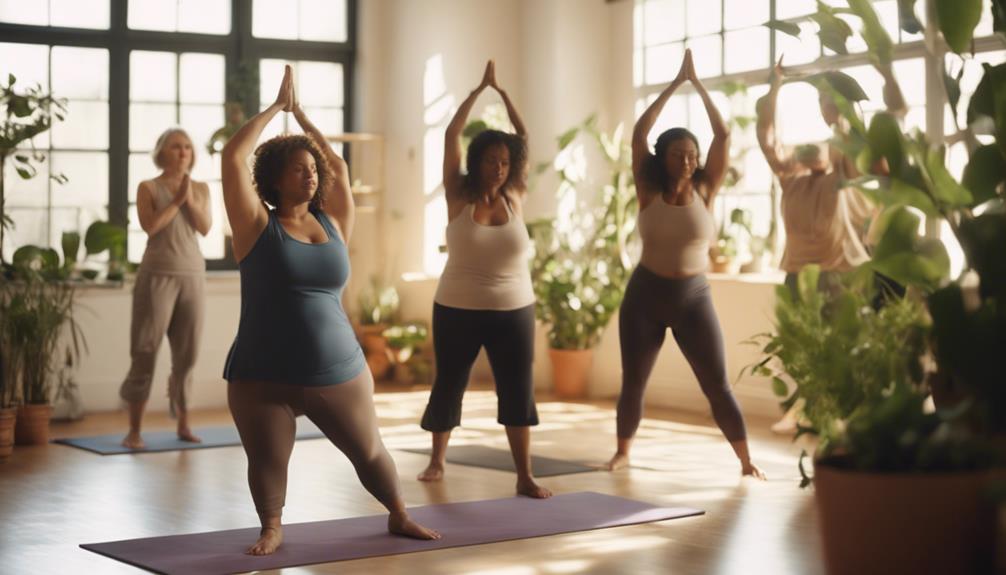

Online fitness classes make it possible to exercise at home while keeping the structure, instruction, and motivation of a group workout. They can supplement a local yoga practice, provide an alternative when you cannot get to a studio, or help you build a routine around work, travel, family responsibilities, or mobility needs. Online fitness classes can complement nearby yoga options when you want local instruction and a supportive community.
Because online exercise classes vary widely in pace, format, and level of support, the best option is not necessarily the most advanced or popular program. It is the one that matches your goals, available space, equipment, schedule, and current abilities.
What types of online fitness classes are available?
Most virtual fitness programs fall into three broad categories. Understanding the differences can help you decide how much flexibility and interaction you need.
- On-demand classes: Pre-recorded workouts can be started whenever it suits you. They are useful for people with changing schedules and may include libraries of yoga, aerobics, strength, mobility, or low-impact sessions.
- Live online classes: These follow a set timetable and are led by an instructor in real time. Depending on the platform, participants may be able to ask questions, use a chat function, or receive feedback on technique.
- Virtual group fitness programs: These combine scheduled classes with a sense of community. Group check-ins, discussion areas, or recurring sessions can provide accountability that is harder to find in a solo workout.
If convenience is your main priority, an on-demand program may be the simplest choice. If you need external structure or enjoy the energy of exercising with others, live streaming fitness classes may be more motivating.
Combining online workouts with local classes
Searching for “yoga near me” or local fitness classes remains useful even if you prefer to work out at home. In-person studios and community centers may offer instruction, social connection, and a regular schedule, while their virtual options can help you stay involved when you cannot attend physically.
A hybrid routine could include an in-person yoga class once a week, on-demand mobility sessions at home, and a live online strength class on another day. This approach allows you to benefit from local instructors and community relationships without making every workout dependent on travel.
When comparing local providers, check whether they offer recorded sessions, live online classes, or both. Also consider the timetable, instructor experience, class level, cancellation terms, and the type of support available before and after each session.
Choosing classes for older adults
Older adults may prefer online exercise programs that focus on balance, mobility, strength, posture, and low-impact cardiovascular movement. Clear demonstrations and easy-to-follow verbal instructions are especially helpful when participants are exercising without an instructor physically present. Online fitness classes can complement hot Pilates sessions by adding flexibility, structure, and variety to your weekly routine.
Look for classes that:
- Explain how to modify movements for different abilities
- Offer a slower-paced or beginner-friendly option
- Use simple equipment, or explain alternatives
- Include rest periods and reminders about controlled movement
- Provide enough space for participants to see the instructor clearly
Free online fitness classes for seniors can be a practical way to sample different teaching styles before paying for a program. However, free access does not automatically indicate that a class is suitable for every person. Anyone managing an injury, chronic condition, osteoporosis, arthritis, or another health concern should choose carefully and ask a qualified healthcare professional or instructor about appropriate modifications.
How to assess a virtual fitness provider
Before committing to an online fitness program, read the class description and confirm what the session involves. A good description should identify the workout style, expected fitness level, duration, equipment requirements, and whether the class is live or recorded.
It is also worth checking whether instructors explain proper form, demonstrate alternatives, and encourage participants to work within their own limits. Reliable video and audio are important, but clear coaching matters just as much. For rehabilitation or highly specialised exercise, look for instruction from an appropriately qualified professional rather than relying on a general workout video.
Creating a routine you can maintain
Consistency is usually easier when online workouts become part of a realistic weekly plan. Choose specific days and times, place them on your calendar, and prepare your exercise space in advance. A clear area, stable internet connection, comfortable clothing, and any required equipment can remove small obstacles that might otherwise cause you to skip a session.
Start with a manageable schedule rather than trying to exercise every day immediately. You might begin with two or three classes per week and adjust as you learn which formats you enjoy and recover from comfortably. Treat scheduled live sessions as appointments, while keeping on-demand classes available for busy days.
If exercising alone feels isolating, choose virtual group fitness classes with chat, discussion, or regular instructor contact. You can also combine free online exercise classes with occasional paid live sessions for additional structure and variety.
Build a flexible online fitness plan
Online fitness classes work best when they support your actual life rather than create another demanding obligation. Compare live and recorded formats, explore local studios with virtual schedules, and select classes that match your experience and physical needs. With a sensible combination of online and in-person options, you can create an exercise routine that is accessible, varied, and easier to sustain.