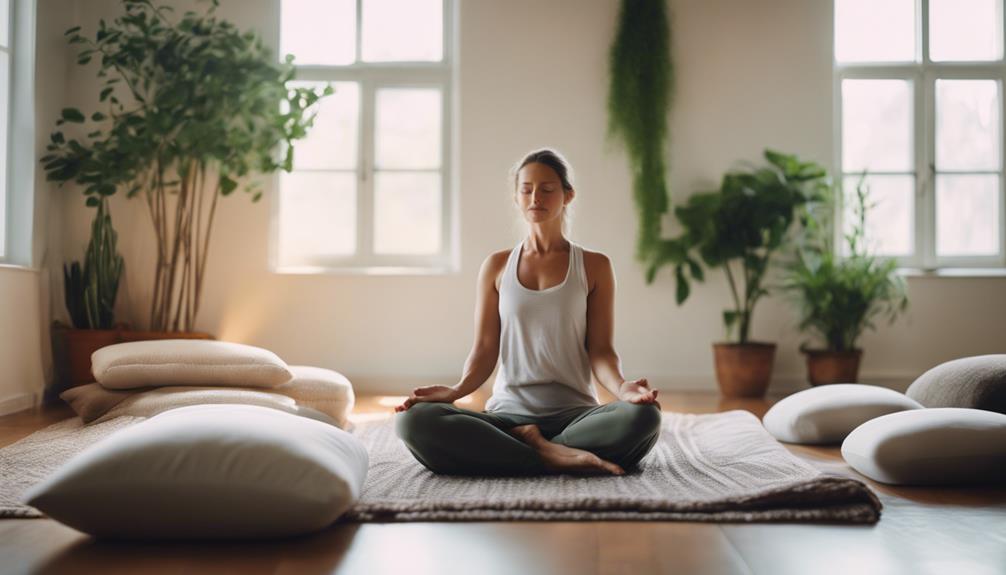

New England’s coastline, forests, mountains, and changing seasons provide a natural setting for stepping away from daily routines. Retreat centers throughout the region host yoga workshops, meditation programs, spiritual retreats, and personal-growth experiences for people who want dedicated time to rest, learn, and reconnect. Many New England retreats complement their restorative programs with regional yoga workshops for guests seeking deeper practice.
Programs range from short weekend gatherings to weeklong immersions. Some focus primarily on asana, pranayama, and meditation, while others combine yoga with philosophy, outdoor activities, creative practices, or guided reflection. The best choice depends on your goals, preferred pace, and the type of support you want during your stay.
Why choose a New England retreat center?
Retreat centers in New England often offer a useful balance between accessibility and seclusion. Many are within reach of larger cities while still providing quiet grounds, woodland trails, or open spaces for reflection. This makes the region suitable for both a concentrated weekend workshop and a longer period of study.
The seasons also shape the retreat experience. A spring program may emphasize renewal and outdoor movement, while summer retreats can make greater use of gardens, trails, and outdoor practice areas. Autumn brings a particularly reflective atmosphere, and winter retreats may appeal to people seeking stillness, meditation, and a slower indoor schedule.
For organizers, a dedicated retreat venue can simplify the practical side of an event. Lodging, meals, practice rooms, and gathering spaces are often coordinated in one location, allowing teachers to focus more fully on instruction and participant care.
What happens at a yoga retreat?
Each program has its own structure, but a typical yoga retreat combines scheduled instruction with unstructured time. A day might include morning meditation, one or two yoga classes, a philosophy or anatomy session, and time for rest, journaling, hiking, or quiet practice.
Many centers also offer complementary activities such as breathwork, sound-based relaxation, partner exercises, or group discussions. These additions can give participants different ways to engage with the retreat theme without requiring every activity to be physically demanding.
Facilities vary considerably. Some venues have a rustic lodge atmosphere, while others provide purpose-built studios and more extensive accommodation options. Before booking, review the details of the practice space, sleeping arrangements, meal service, and access to outdoor areas so the setting matches your expectations.
Retreats in Massachusetts
Massachusetts is a practical option for participants traveling from Boston and other urban areas. Retreats in Massachusetts may include small teacher-led intensives, seasonal courses, meditation programs, and yoga-centered weekends. The range of settings allows visitors to choose between a more secluded rural experience and a venue with convenient transportation access. New England retreat centers often host April yoga retreats amid the region’s peaceful spring renewal.
Some Massachusetts programs place equal emphasis on physical practice and contemplative study. A retreat may explore meditation, ethical teachings, mindful movement, or ways to apply yogic principles in everyday life. Other programs bring in related disciplines, such as creative work, herbal education, or somatic practices, to create a broader learning experience.
When considering spiritual retreats in Massachusetts, read the program description carefully. “Spiritual” can refer to meditation and philosophical study, personal reflection, or a particular tradition. Understanding the teaching approach in advance helps ensure that the retreat feels appropriate and welcoming.
Mental-health-focused retreats and yoga
Some New England programs combine yoga and mindfulness with mental-health education or therapeutic support. These retreats may include licensed professionals or trained facilitators, along with practices intended to encourage grounding, stress management, emotional awareness, and reflection.
These programs should not automatically be treated as substitutes for medical or mental-health care. If you are considering a mental-health retreat in New England, check the qualifications of the staff, the type of support available, the group size, and the process for handling urgent concerns. It is also sensible to discuss participation with an existing healthcare provider when appropriate.
A well-designed program should explain which activities are optional, how much personal time is available, and what participants can expect from group discussions or individual sessions. Clear boundaries and a flexible schedule can make the experience more accessible to people with different needs and levels of experience.
How to choose the right retreat center
- Define your purpose: Decide whether you want physical practice, meditation, spiritual study, rest, community, or a combination.
- Compare the schedule: Look for a pace that leaves enough time for meals, sleep, personal reflection, and recovery.
- Check accommodations: Review room types, bathrooms, accessibility, noise expectations, and shared-space arrangements.
- Ask about food: Confirm whether dietary restrictions, allergies, or other meal requirements can be accommodated.
- Understand the teaching level: Make sure classes are appropriate for beginners, experienced practitioners, or the mixed group described by the organizer.
- Review the location: Consider travel time, transportation, nearby services, and whether the surrounding environment supports your intentions.
Planning a successful retreat
Organizers can improve the participant experience by communicating the schedule, packing recommendations, physical expectations, meal arrangements, and cancellation policies before arrival. It also helps to identify which sessions are required and which are optional, particularly when the program includes demanding physical practices or emotionally focused discussions.
Participants should arrive with realistic expectations. A retreat can create space for meaningful practice and reflection, but its benefits are easier to carry home when the program includes practical tools, written resources, or suggestions for continuing the work after departure.
Whether you choose a weekend yoga workshop, a contemplative program in Massachusetts, or a longer New England immersion, the right retreat center can support focused learning and genuine rest. Matching the venue and schedule to your personal intentions is the most reliable way to create a rewarding experience beyond the mat.