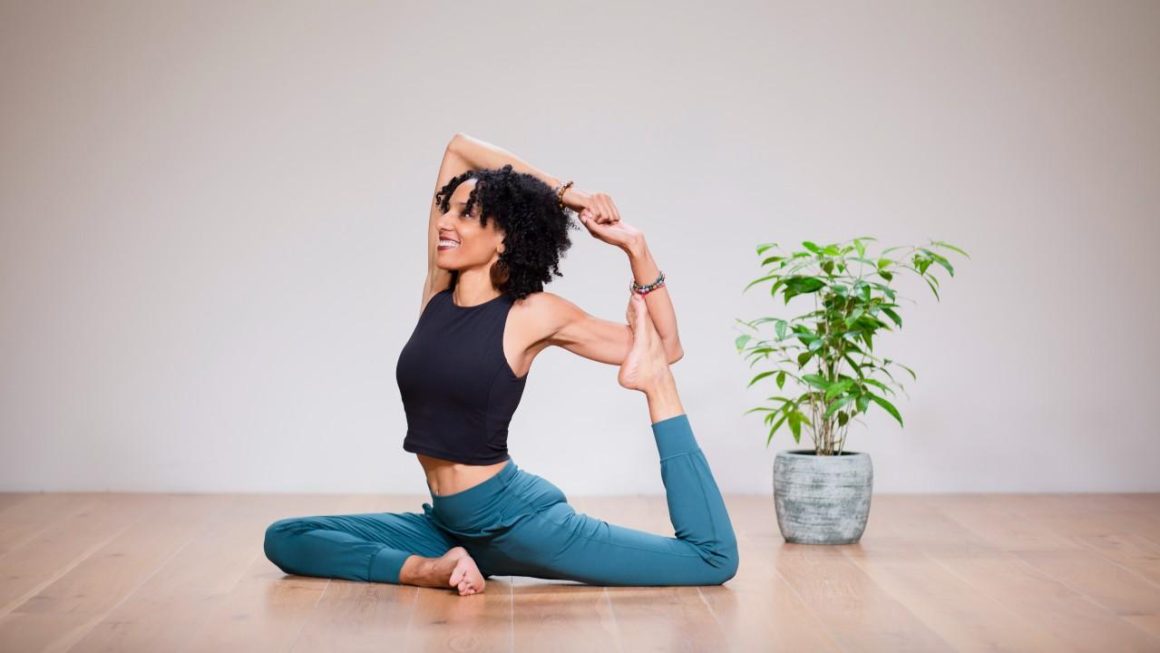
Nashville offers a broad range of yoga experiences, from quiet, restorative sessions to demanding practices in a heated room. That variety can be helpful when you know what you want, but it can also make choosing a studio feel overwhelming. The best option depends on your experience level, preferred style, schedule, comfort with heat, and the kind of community you want to join. Nashville yoga studios often offer different yoga practices to suit varying experience levels, goals, and preferences.
Whether you are new to yoga or looking for a different place to practice, comparing class descriptions and visiting more than one studio can help you find a setting that supports your goals.
Yoga styles available in Nashville
Yoga studios in Nashville, TN commonly offer several approaches to movement, breath, and relaxation. Class names can vary from one studio to another, so read the descriptions carefully and ask instructors how a class is structured.
- Vinyasa: A breath-led practice that links postures in a flowing sequence. The pace and difficulty can vary significantly by instructor.
- Hatha: Often slower and more focused on foundational poses, alignment, and controlled transitions.
- Restorative yoga: Uses supported, largely stationary postures to encourage rest and relaxation.
- Yin yoga: Involves longer-held poses and a slower pace, making it distinct from faster, strength-oriented classes.
- Power yoga: A more vigorous format that may emphasize strength, stamina, and continuous movement.
- Ashtanga-inspired classes: Follow a structured, physically demanding approach with an emphasis on disciplined sequencing.
Some studios also combine yoga with mobility work, breathwork, or Pilates-inspired movements. These blended formats may be useful if you want to improve general movement and strength rather than follow one traditional style exclusively.
Bikram yoga and heated classes
People searching for Bikram yoga in Nashville may be looking for a highly structured practice in a heated room. Traditional Bikram yoga is associated with a fixed sequence of 26 postures and two breathing exercises, practiced in high heat and humidity. Other studios offer hot yoga classes that use heat but vary the sequence, teaching style, and level of intensity.
These formats are not necessarily interchangeable. If a specific sequence, room temperature, or teaching tradition matters to you, confirm the details with the studio before booking. A heated class can feel substantially more demanding than a nonheated class, particularly for people who are new to yoga or unaccustomed to exercising in a warm environment.
Preparing for a hot yoga class
- Drink water before and after class, and follow the instructor’s guidance during the session.
- Bring a yoga mat and towel, or check whether the studio provides or rents them.
- Wear clothing that allows you to move comfortably and manage perspiration.
- Tell the instructor about injuries, health concerns, or any limitations before class begins.
- Rest or leave the room if you feel unwell. Heat and intensity are not goals to push through.
What to compare when choosing a studio
Location is useful, but it should not be the only consideration. A nearby studio that does not offer suitable classes may be less practical than one that fits your schedule and preferences. Nashville practitioners can complement studio classes with deep stretch routines for gentle recovery at home.
Class schedule and level
Look for beginner classes, introductory series, or sessions that clearly explain their pace and focus. If you want variety, choose a studio with several styles on its schedule. If you have a specific goal, such as practicing in a heated room or developing alignment, search for instructors and classes that emphasize that area.
Teaching approach
Teachers may prioritize alignment, breath, sequencing, strength, philosophy, or relaxation. Some provide frequent demonstrations and modifications, while others expect students to follow a faster flow. A drop-in class can help you understand how an instructor communicates and whether the class feels appropriately challenging.
Studio environment and policies
Consider cleanliness, available props, room temperature, class size, membership terms, cancellation policies, and drop-in pricing. It is also worth asking whether the studio offers modifications and whether hands-on adjustments are optional. These practical details can make a meaningful difference to your experience.
Starting a consistent practice
Your first class does not need to identify your permanent studio or preferred style. Try a slower class if you are learning the basic postures, then explore flow, restorative, or heated options as you become more comfortable. Communicating clearly with instructors and respecting your own limits are more important than matching the pace of experienced students.
Nashville’s selection of yoga studios makes it possible to build a practice around your needs rather than follow a single formula. Compare schedules, ask questions, and give yourself time to discover whether you prefer heat, movement, stillness, structure, or a combination of approaches.