A New Year’s Eve retreat offers a quieter, more intentional alternative to crowded celebrations and late-night parties. Rather than rushing toward the countdown, you can use the transition between years as a chance to pause, reflect on what has passed, and consider how you want to move forward. Many New Year’s Eve retreats include New Year yoga workshops that help guests begin the year mindfully.
Retreats vary widely in style. Some focus on meditation and silence, while others combine yoga, breathwork, journaling, workshops, and community rituals. Whether you want a restorative weekend, a structured practice experience, or simply a peaceful setting in which to reset your priorities, the right program can help you begin the year with greater clarity.
Why choose a New Year’s Eve retreat?
Traditional New Year’s celebrations can be enjoyable, but they do not suit everyone. A retreat creates space away from everyday demands and social pressure, making it easier to pay attention to your thoughts, energy, and intentions. Instead of treating the new year as a single dramatic moment, you can approach it as a gradual transition.
Many retreats include guided reflection, intention-setting exercises, gentle movement, or a ceremony to mark the change of year. These activities may help you acknowledge the previous year, identify what you would like to release, and choose practical areas for growth. The shared setting can also provide a sense of connection without requiring the noise or intensity of a conventional celebration.
What happens at a meditation retreat?
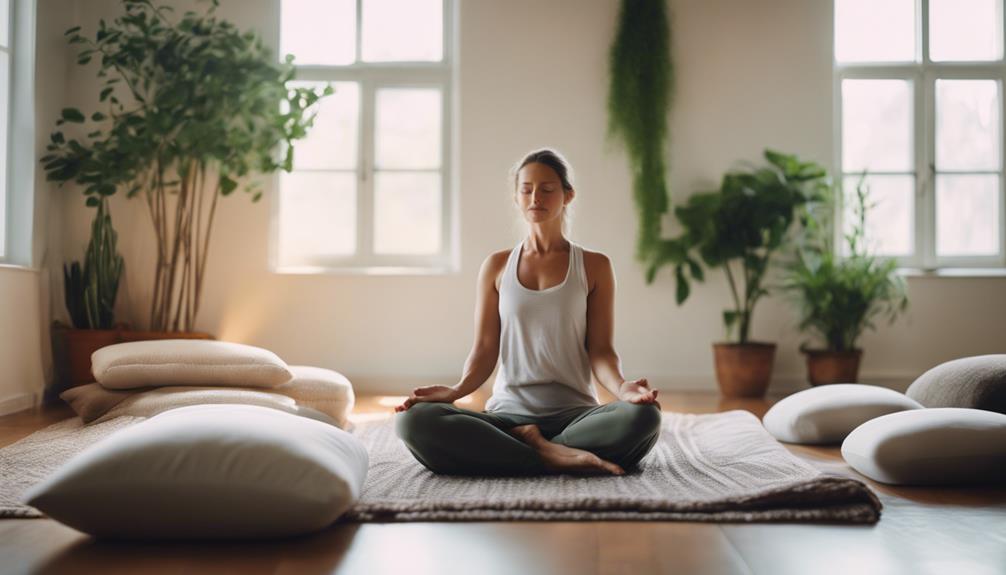
A meditation-focused New Year’s program may include guided or silent meditation, breathwork, walking meditation, journaling, and discussions about mindfulness. The schedule is often designed to alternate structured sessions with quiet personal time, allowing participants to absorb the experience rather than move from one activity to the next.
Some programs include a candlelight gathering, collective intention-setting, or another reflective ritual at midnight. Others treat the evening as an opportunity for silence and contemplation. If you are new to meditation, look for a retreat that explains how instruction is provided and welcomes different experience levels. More experienced practitioners may prefer a program with longer periods of silence or a deeper emphasis on independent practice.
How yoga retreats support renewal
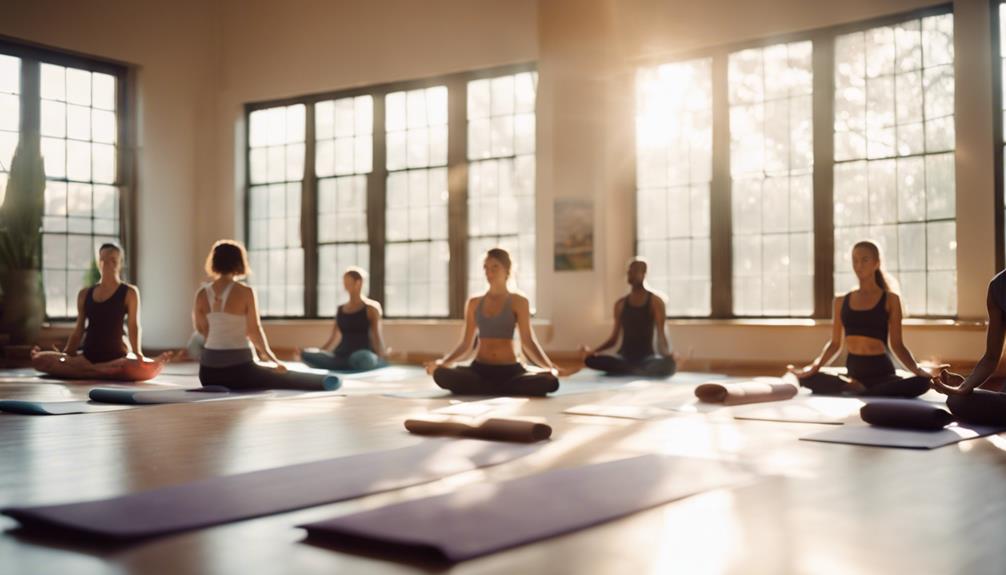
A yoga retreat can use movement, breath, and rest to create a sense of transition. Programs may combine restorative or Yin-style practices with more active classes, such as Vinyasa, depending on the retreat’s focus. Workshops may explore alignment, breathing techniques, themed sequences, or ways to develop a consistent personal practice. For a restorative New Year’s celebration, consider Massachusetts wellness escapes that combine reflection, relaxation, and healthy activities.
Yoga-based retreats often pair classes with journaling, meditation, mindful meals, or periods of reduced technology use. Before booking, review the types of classes offered and consider whether the pace matches your needs. A retreat described as restorative will feel very different from one centred on dynamic practice, so the schedule matters as much as the location.
Choosing the right retreat
Start by identifying what you want from the experience. You may be looking for rest, a stronger spiritual or contemplative routine, meaningful community, or help turning broad resolutions into realistic intentions. Then compare programs according to the following factors:
- Length: A one- or two-night stay may focus on the New Year’s Eve transition, while a longer retreat can provide more time for settling in and carrying practices into January.
- Structure: Decide whether you prefer a full timetable of classes and workshops or a flexible schedule with more personal time.
- Atmosphere: Small groups may feel intimate and personal, while larger gatherings can offer a wider range of activities and perspectives.
- Practice level: Check whether sessions are suitable for beginners, experienced participants, or a mixture of both.
- Facilitators: Read the available information about teachers and leaders, including their experience and the subjects they are qualified to guide.
Preparing for your retreat
Arrive with a few simple intentions rather than a long list of expectations. You might reflect on what you want to leave behind, what deserves more attention, or which daily habit you would like to develop. Writing these thoughts down before arrival can make workshops and personal reflection more focused.
Pack comfortable clothing for meditation and movement, a journal, and any personal items that help you feel settled. If the retreat limits phone use, let important contacts know in advance and plan how you will manage urgent communication. It is also worth asking about the schedule, accommodation, meals, silence periods, and what equipment is provided before you book.
Carrying the experience into the new year
The value of a retreat does not have to end when the final session is over. Choose one or two practices that fit naturally into everyday life, such as a short morning meditation, mindful breathing, regular journaling, or a brief movement routine. Small commitments are often easier to maintain than ambitious resolutions.
A well-chosen New Year’s Eve retreat can give you time to close one chapter thoughtfully and begin the next with purpose. Whether you choose meditation, yoga, or a blended workshop, focus on finding a program whose pace, guidance, and atmosphere support the kind of beginning you want to create.