
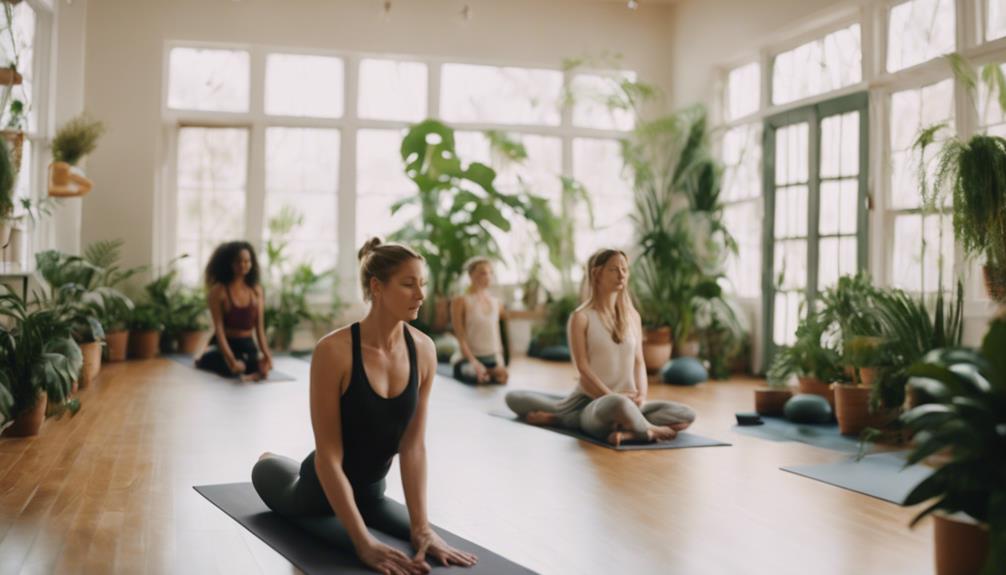
Gentle lumbar stretching can be a useful part of a broader movement routine for easing stiffness, improving mobility, and supporting more comfortable everyday movement. The most effective approach is not to force the lower back into a deep stretch. Instead, combine controlled mobility exercises, relaxed breathing, and gradual strengthening for the muscles that help support the spine.
This guide presents a practical sequence that can be adapted for home use. It is suitable for people exploring yoga-inspired movement or adding simple physical therapy-style exercises to an existing routine.
Why focus on the lumbar area?
The lumbar spine carries much of the upper body and works with the hips, pelvis, and upper back during standing, sitting, bending, and walking. Stiffness or weakness in one area can cause other parts of the body to compensate, which may affect posture and movement.
A balanced routine addresses more than flexibility alone. Gentle lumbar movements can help maintain comfortable spinal motion, while strengthening exercises improve control and stability. Breathing slowly throughout each exercise can also make it easier to avoid unnecessary tension.
Gentle stretches and mobility exercises
Move within a comfortable range and avoid bouncing. Each exercise should feel controlled rather than forced.
- Cat-cow movement: Begin on your hands and knees with your hands below your shoulders. Slowly alternate between a gently rounded spine and a gently arched position. Coordinate the movement with your breathing and keep the range small if your back feels sensitive.
- Child’s pose with a side reach: From a kneeling position, sit your hips back toward your heels and reach your arms forward. If comfortable, walk both hands slightly to one side to create a mild stretch along the opposite side of the back. Repeat on the other side.
- Supine knee-to-chest stretch: Lie on your back and bring one or both knees toward your chest. Hold the position without pulling forcefully, allowing the lower back to relax against the floor.
- Gentle lower-back rotation: With your knees bent and feet supported, allow both knees to move slowly from side to side. Keep the movement easy and stop before the shoulders lift or the back feels strained.
- Kneeling hip-flexor stretch: Place one foot forward and keep the other knee on the floor. Shift your weight forward slightly while maintaining an upright posture. This movement can complement lumbar mobility by addressing tightness around the front of the hips.
Add strength and stability
Stretching alone may not provide lasting support. Include simple exercises that teach the trunk and hips to work together.
- Pelvic tilts: Lie on your back with your knees bent. Gently tighten your abdominal muscles and tilt your pelvis so your lower back moves toward the floor, then release.
- Bridges: From the same position, press through your feet and lift your hips only as high as you can without arching or straining your back. Lower slowly.
- Bird-dog variations: From hands and knees, extend one arm or one leg at a time. As control improves, try extending the opposite arm and leg while keeping your pelvis steady.
- Modified planks: Use your knees or another comfortable modification to practice holding the trunk steady. Quality of alignment matters more than duration.
A simple lower-back routine
Begin with a few minutes of easy walking, gentle spinal movements, or hip circles. Follow with two or three mobility exercises, such as cat-cow, knee-to-chest movements, and the gentle rotation. Finish with one or two strengthening exercises, such as pelvic tilts, bridges, or a bird-dog variation.
Practising this type of routine two or three times a week can provide structure without overwhelming your body. You can also take brief movement breaks during the day, especially if you spend long periods sitting. Change positions regularly and adjust your chair or lumbar support if needed.
Safety and modifications
Lower-back exercises should not cause sharp, increasing, or radiating pain. Reduce the range of motion, use cushions or blocks for support, and slow down whenever an exercise feels difficult to control. A particular stretch should not be used to force relief on only one side; one-sided discomfort may need individual assessment.
If you have acute back pain, a history of a herniated disc, numbness, tingling, or other neurological symptoms, speak with a qualified clinician before starting a new routine. Progress gradually by first improving control and comfort, then adding repetitions, longer holds, or light resistance as appropriate.
A sustainable lumbar routine combines mobility, stability, and attention to daily habits. Start with gentle movements, breathe steadily, and let comfort and control guide your progress.