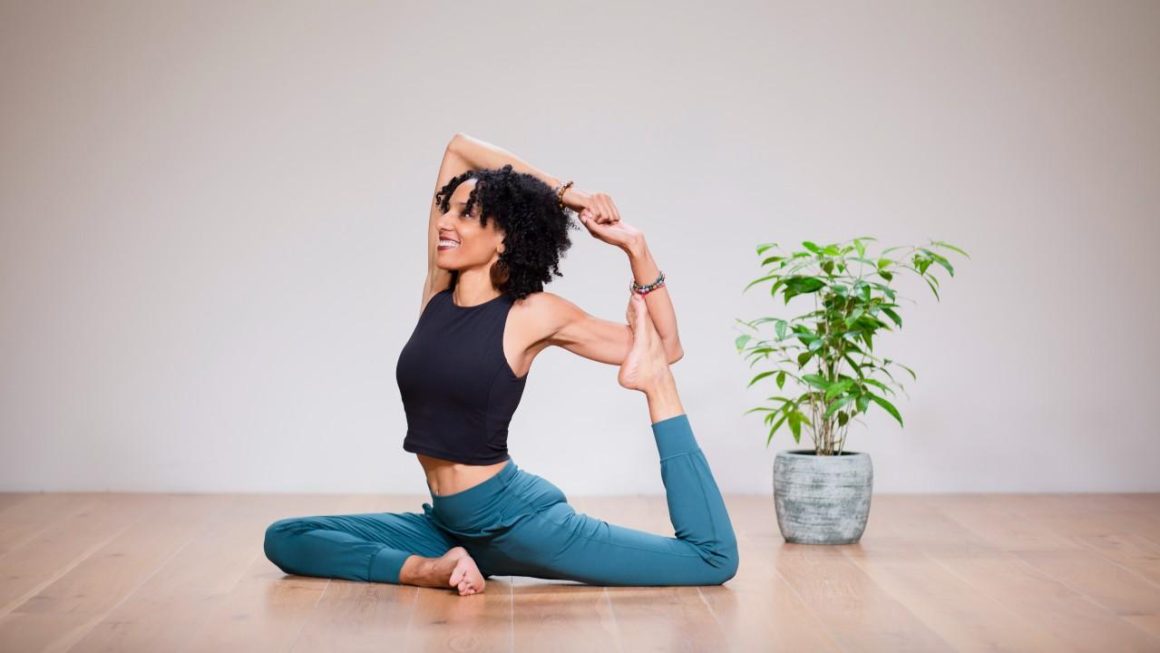

Yin yoga teacher training can be a meaningful next step for practitioners who are drawn to stillness, mindful awareness, and longer-held postures. Because Yin differs from more movement-oriented yoga styles, a specialized certification can help you understand how to teach it with clarity, sensitivity, and respect for individual bodies. After exploring nearby Yin Yoga certification options, explore yoga styles that support varied goals, preferences, and teaching approaches.
If you are searching for a yin yoga certification near me, location is only one part of the decision. The quality of the curriculum, the instructor’s experience, the amount of teaching practice, and the format of the course all deserve careful consideration.
What a Yin yoga certification should teach
Yin classes are generally slower and more contemplative than dynamic yoga classes. Students may remain in a posture for several minutes, using props and adjustments to find an appropriate level of sensation without forcing a stretch. A useful training program should explain how to guide this type of practice safely and effectively.
Look for coursework that addresses:
- Anatomy related to joints, connective tissue, range of motion, and individual variation
- The purpose and structure of longer-held postures
- Props, modifications, and options for different bodies and experience levels
- Sequencing for quiet, spacious classes
- Mindful cueing, breath awareness, and meditation language
- Trauma-informed principles and appropriate boundaries
- Yin-related philosophical or energetic frameworks, such as meridian theory or chakras, when included in the school’s approach
A strong course should help you teach the experience of Yin rather than simply memorize a list of poses. It should also make clear that students may respond differently to the same posture and that sensation is not a reliable measure of progress or safety.
Compare the training format with your learning needs
When evaluating yin training near you, consider whether you learn best through direct interaction, independent study, or a combination of both.
In-person programs
Local, in-person courses allow you to observe demonstrations, practice teaching with classmates, and receive immediate feedback. They may also make it easier to build relationships with nearby teachers and studios. This format can be especially useful if the program includes practical work such as prop use, verbal adjustments, or supervised teaching.
Online and hybrid programs
Online training may suit students balancing work, family, or travel commitments. It can provide flexibility for reviewing lectures and completing assignments at your own pace. A hybrid course may combine online theory with live sessions or a local practicum. Before enrolling, confirm how much interaction and teaching practice are actually included rather than assuming that every online certificate offers the same experience.
Review credentials, requirements, and course depth
Certification standards and prerequisites vary between programs. Some Yin courses are designed as continuing education for already-qualified yoga teachers, while others welcome students with a consistent personal practice but no foundational teaching certificate. Read the entry requirements carefully and decide whether the course matches your current experience. Those pursuing Yin Yoga certification near me may also explore hot yoga classes for heated practice.
Ask whether the certificate is recognized by the studios, schools, or professional organizations relevant to your goals. A short workshop may introduce the style, but it may not provide the same depth of study or supervised practice as a longer specialist program. Review the course hours, schedule, assessment process, and instructor biographies before making a commitment.
Consider cost and time before enrolling
The price of yin yoga instructor training can depend on its length, delivery method, teacher, and included resources. Programs may be offered over consecutive days, several weekends, or a longer period of independent study. Create a realistic plan for attending sessions, completing assignments, and practicing outside class.
In addition to tuition, check for possible travel, accommodation, books, equipment, or assessment costs. A clear breakdown of fees will make it easier to compare programs fairly and avoid choosing based on headline price alone.
Questions to ask a prospective Yin training provider
Before registering for a yin yoga certification near you, ask the provider:
- How much of the course is lecture, observation, practice, and supervised teaching?
- What experience does the lead trainer have with Yin yoga and teacher education?
- How are anatomy, contraindications, joint variations, and student safety addressed?
- Does the course include trauma-informed teaching principles?
- How do students receive feedback on sequencing and teaching skills?
- What prerequisites are required?
- Is there mentoring, peer support, or continuing education after graduation?
- Will the certificate meet the expectations of the studios or organizations where you hope to teach?
Think beyond certification
Completing a course is the beginning of your teaching development, not the end of it. Depending on your interests, you may eventually teach dedicated Yin classes, add Yin-inspired sequences to other offerings, or lead sessions in studios, community settings, retreats, or wellness programs.
Choose training that supports both your personal understanding and your professional aims. The best yin yoga instructor training for you will offer a thoughtful curriculum, meaningful practice, clear safety guidance, and a format you can complete successfully. By comparing these factors—not just searching for the closest option—you can find a Yin program that prepares you to guide students through a steady, attentive practice.