Effective yoga class design is more than arranging a series of postures. A well-planned class gives students a clear sense of progression, connects movement with breath, and leaves enough room for individual needs. For teachers, a thoughtful structure provides a dependable framework without making the practice feel rigid.
Begin with a clear class intention
Before choosing poses, decide what you want students to experience or develop. The intention might be improving mobility, building strength, settling the nervous system, developing balance, or exploring a particular movement pattern. This decision helps determine the poses, transitions, pace, and closing practices you include.
Keep the intention specific enough to guide your choices. If the class is focused on balance, for example, preparation might include standing strength, weight shifting, and focused breathing before students try more demanding balance shapes. If the goal is relaxation, the sequence can use slower transitions, supported postures, and more time for quiet integration.
Use a reliable class arc
A consistent beginning-to-end structure makes a class easier to follow and helps the body prepare gradually for more demanding work. A useful arc is:
- Arrival and centering: Give students time to settle, notice the breath, and understand the focus of the practice.
- Warm-up: Use gentle movements to introduce the joints, spine, and major actions that will appear later.
- Building phase: Progress into more active sequences, adding strength, mobility, balance, or coordination according to the class intention.
- Peak or central focus: Place the most challenging posture, transition, or movement pattern after students have prepared for it.
- Cooldown: Follow intense work with quieter movements and stretches that help restore balance.
- Final relaxation: End with stillness so students have time to absorb the practice.
The peak does not have to be an advanced posture. It can be a sustained standing sequence, a balance, a carefully explored transition, or a movement quality that represents the purpose of the class.
A practical 60-minute yoga class template
Use the following outline as a planning tool rather than a fixed script:
- 5 minutes — Centering and breath awareness: Establish a comfortable position, introduce the theme, and invite attention inward.
- 10 minutes — Gentle warm-up: Include simple spinal, shoulder, hip, or whole-body movements related to the rest of the class.
- 25 minutes — Standing and active work: Build progressively through foundational postures, flowing sequences, and variations that prepare students for the central focus.
- 10 minutes — Seated or supine cooldown: Reduce intensity and include stretches or quieter shapes that complement the earlier work.
- 10 minutes — Rest and integration: Allow sufficient time for final relaxation rather than treating it as an afterthought.
Write down the key postures, the purpose of each section, and the transitions between them. This makes the sequence easier to teach, repeat, and adapt. Include transition time in your plan; students need clear instructions and a moment to reorganize between demanding movements.
Sequence preparation for the central focus
Work backward from the class’s main posture or movement. Identify the physical actions it requires, then introduce those actions in simpler forms earlier in the class. For example, a balance may call for standing strength, coordination, and focused attention. A seated posture may benefit from earlier hip-opening work. A backbend or inversion variation should only be included when it fits the intention and students have been prepared appropriately.
This approach creates a logical relationship between the warm-up, the active sequence, and the peak. Students are less likely to feel that a challenging posture has appeared without preparation, and teachers have a clearer reason for every major element of the class.
Adapt for the students in front of you
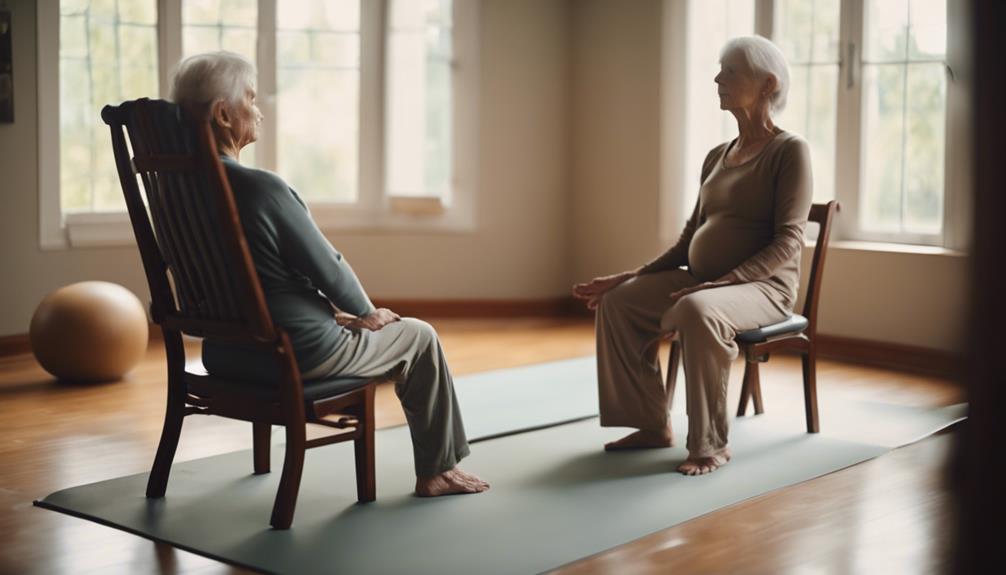
Class design should account for differences in experience, mobility, strength, confidence, and comfort. Beginners generally need slower pacing, more explanation, and frequent alternatives. More experienced students may appreciate longer holds, greater complexity, or opportunities to explore variations, but they still benefit from clear preparation and choices.
Offer modifications without presenting them as lesser versions of the practice. Blocks, straps, and bolsters can help students adjust range, support balance, or make a posture more accessible. Prepare alternatives for common concerns, such as wrist discomfort or lower-back sensitivity, so students can remain involved without forcing a shape that does not suit them.
Cue the transitions as carefully as the poses
Concise, action-oriented language helps students understand what to do without overwhelming them. Link movement cues to the breath when appropriate, and give students enough time to respond. Transitions deserve the same attention as individual postures: rushed or unclear movement can interrupt concentration and increase the likelihood of strain.
Pacing should support the intention. A slower rhythm can create space for alignment and introspection, while a quicker sequence can build heat and physical engagement. Watch the room, listen to questions, and adjust when the pace or complexity is not serving the group.
Review and refine each class
After teaching, note which sections felt clear, where students needed additional explanation, and whether the class achieved its intended focus. Student feedback can reveal places where the sequence, language, or pacing needs adjustment. Keep a record of successful classes, variations, and useful alternatives. Over time, this creates a practical library while leaving room to adapt each session to the people present.
The strongest yoga classes combine a dependable structure with responsive teaching. Start with intention, progress from preparation to central focus, close with adequate rest, and refine the design through observation. That balance allows a class to feel coherent without becoming inflexible.