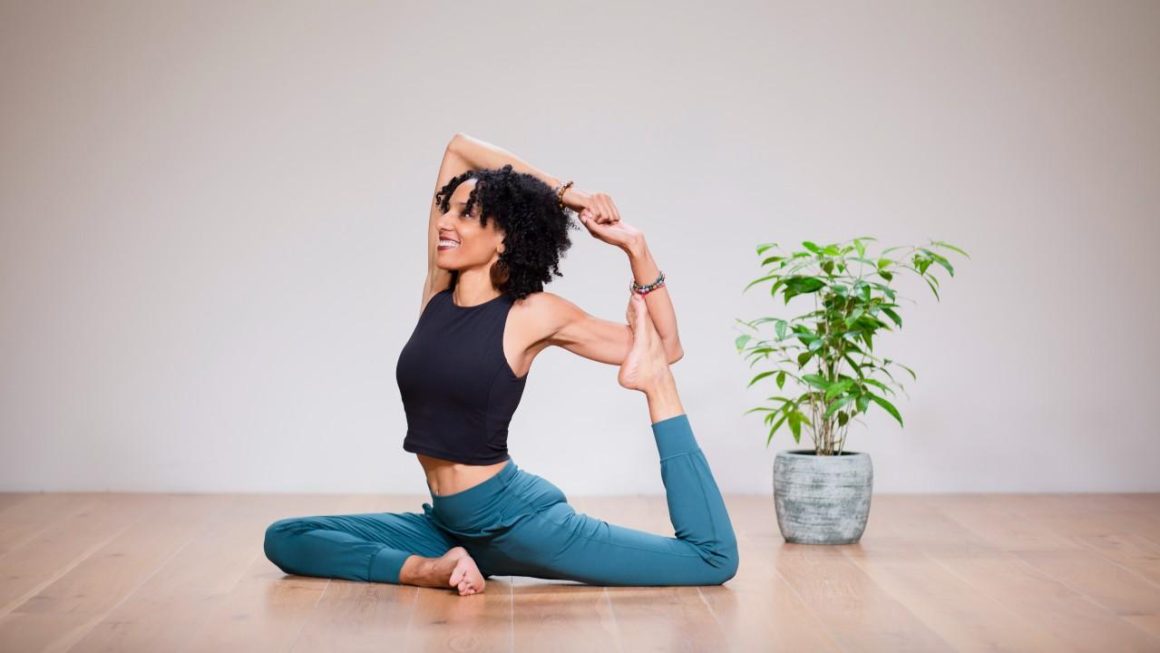
Searching for yoga in Corona, CA can lead to many different approaches, from slow and restorative sessions to physically demanding heated classes. Hot yoga appeals to people who enjoy a structured workout, focused breathing, and the challenge of practicing in a warm room. Before booking a class, however, it helps to understand how heat changes the experience, what to bring, and how to choose a studio that matches your needs. Yoga Corona practitioners can explore yoga styles suited to different goals and experience levels.
What makes hot yoga different?
Hot yoga uses a heated practice room, commonly within a range of about 90 to 105 degrees Fahrenheit, although the exact temperature depends on the studio and class format. The heat is not a substitute for technique; it is an added condition that can make the practice feel more intense.
Classes may follow a set sequence or use a flowing series of postures connected by the breath. Compared with restorative or yin yoga, hot yoga is generally more active and may include longer periods of standing, balancing, strengthening, and continuous movement. The warmth can make muscles feel more mobile, but it can also make it easier to move beyond a safe range if you are not paying attention to alignment and body signals.
What to expect at a Corona hot yoga class
A typical class begins with time to settle onto the mat and adjust to the room. The instructor may offer breathing guidance, hydration reminders, or suggestions for modifying poses. The session then progresses through postures that may challenge strength, balance, mobility, and concentration before ending with a slower cooldown.
Class intensity varies considerably. Some heated sessions are fast-paced and athletic, while others use the warmth for slower stretching and deliberate movement. When comparing yoga options in Corona, read the class description carefully and ask whether a session is appropriate for beginners. A beginner-friendly class should make room for rest, demonstrate alternatives, and explain how students can work at their own level.
How to prepare for your first class
Good preparation makes it easier to focus on the practice instead of the temperature. Consider the following:
- Drink water before class and bring enough for the full session.
- Use a mat with reliable traction and bring a towel if you expect substantial sweating.
- Wear comfortable clothing that allows unrestricted movement.
- Arrive early enough to complete registration, ask questions, and become familiar with the room.
- Avoid treating the class like a test. Resting in a comfortable position is a normal part of learning.
Do not force a pose because the heat makes a deeper position seem available. A stretch should not feel sharp, and dizziness, nausea, unusual weakness, chest discomfort, or difficulty breathing are reasons to stop and leave the heated room.
Potential benefits and important cautions
Many students enjoy hot yoga because it combines movement, concentration, and a strong physical challenge. Regular yoga practice may support flexibility, balance, strength, body awareness, and stress management. Some people also appreciate the feeling of mental focus that comes from coordinating breath and movement in a demanding environment. For individualized guidance beyond Yoga Corona, explore personal yoga sessions tailored to your pace, goals, and practice.
Heat also creates additional demands. Sweating increases fluid loss, and the temperature may place extra stress on the cardiovascular system. Anyone with a medical condition, a history of heat-related illness, heat sensitivity, or concerns about exercise in high temperatures should seek advice from a qualified healthcare professional before attending. Pregnancy and certain heart or blood-pressure conditions may require specific guidance.
Even when you are generally healthy, progress gradually. Your ability to tolerate heat may not match your fitness level, and a familiar pose can feel very different in a heated room. Focus on steady breathing, controlled movement, and leaving the class feeling challenged rather than depleted.
Choosing a yoga studio in Corona
The right studio is not necessarily the one with the most intense class. Look for an environment where instructors explain the practice clearly and respond respectfully to different experience levels. Before committing, consider asking about:
- The room temperature and how it is maintained
- Class length, pace, and prerequisites
- Modifications for beginners or students managing injuries
- Mat spacing, cleanliness, ventilation, and access to drinking water
- What equipment new students need to bring
A trial class can help you evaluate the teaching style, atmosphere, and level of personal attention. Reviews may offer useful impressions, but direct questions are especially valuable when safety and comfort are priorities.
Build a balanced yoga routine
Hot yoga does not have to be your only style. Alternating heated classes with gentle hatha, restorative, yin, or breathing-focused practices can provide variety and recovery time. You may also choose non-heated sessions on days when your body feels tired or when you want to focus more closely on technique.
A sustainable yoga routine should support consistency rather than demand maximum effort every time. Explore different yoga classes in Corona, notice how your body responds to temperature and intensity, and choose practices that leave room for rest. With thoughtful preparation and an emphasis on safe, adaptable movement, hot yoga can become one useful part of a broader practice.