Starting yoga does not require advanced flexibility, expensive equipment, or knowledge of complicated poses. A beginner-friendly practice can help you become more comfortable with movement, breathing, balance, and relaxation. The most important step is choosing instruction and a class format that match your needs, schedule, and current level of fitness.
Choosing a yoga style as a beginner
Yoga styles can feel very different from one another. Some focus on careful alignment and steady movement, while others emphasize flowing sequences, relaxation, or longer-held poses. You do not need to choose a permanent style at the beginning. Trying different approaches can help you discover what feels comfortable and useful.
- Hatha yoga: Often taught at a measured pace, with time to learn basic poses, breathing, and transitions.
- Iyengar-inspired classes: Emphasize precise alignment and may use props such as blocks and straps to support the body.
- Vinyasa or flow yoga: Connects movement with breath in a continuous sequence. Beginner classes should offer simpler options and clear modifications.
- Yin yoga: Uses longer, quieter holds and may suit people who want to work gently on mobility and relaxation.
- Restorative yoga: Uses supported positions and a slow pace, making it a useful option when relaxation is the main goal.
If you are new to exercise or uncertain about your physical abilities, begin with a class clearly labelled beginner, gentle, foundational, or introductory. A slower class is not necessarily easier in every respect, but it generally gives you more time to understand positioning and listen to your body.
What to expect from a beginning yoga class
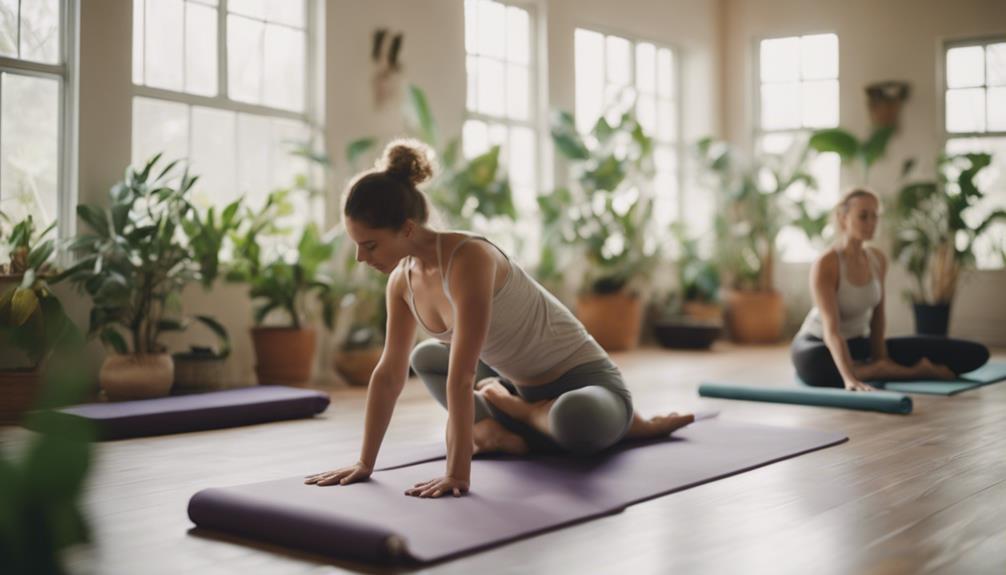
A beginner lesson may include breathing exercises, a gentle warm-up, standing or seated poses, balance work, and a final relaxation period. The teacher should explain how to enter and leave poses, provide alternatives, and remind you not to force a stretch.
You do not have to perform every pose exactly as shown. Yoga is not a test of flexibility, and resting in a comfortable position is a valid choice. Ask questions before or after class, and let the teacher know about any injuries, health concerns, or movements that cause discomfort.
How to learn yoga at home
Practising at home can make yoga easier to fit into a busy routine. Online instruction includes both on-demand videos and live virtual classes. Recorded lessons allow you to repeat a familiar sequence, while live sessions may offer the structure and interaction of a scheduled class.
For your first home sessions, choose short lessons that concentrate on basic poses and breathing rather than demanding workouts. Clear verbal instructions are especially important when no teacher is physically present. Look for beginner tracks, explanations of modifications, and instructors who describe safe alignment without encouraging you to push through pain.
A simple home setup is enough:
- A yoga mat or another stable, non-slip surface
- Comfortable clothing that allows free movement
- Enough space to extend your arms and legs safely
- Optional props, such as blocks, a strap, cushions, or a folded blanket
Free introductory resources can be a practical way to explore yoga before paying for a subscription. If you choose a paid online yoga service, compare the beginner content, class lengths, teaching style, and availability of both live and recorded sessions. A trial period, when offered, can help you decide whether the instruction suits you.
Online or in-person lessons?
In-person classes offer a shared environment and the opportunity to ask questions directly. Some beginners value the routine and encouragement of attending a studio, community centre, or other local venue. If price is a concern, look for introductory offers, community classes, or affordable drop-in sessions in your area.
Online lessons provide flexibility and access to a wider selection of styles and class times. They can work well for people who prefer practising privately or who cannot attend a local class regularly. Many people combine both formats: occasional in-person instruction for guidance, supported by regular home practice.
Tips for a safe, sustainable practice
- Begin with gentle movement and increase the difficulty gradually.
- Use props to reduce strain rather than treating them as a sign that you are inexperienced.
- Breathe steadily and avoid holding your breath during challenging poses.
- Stop or modify a movement if you feel sharp pain, numbness, dizziness, or unusual discomfort.
- Leave time for rest and recovery instead of practising intensely every day.
- Keep sessions consistent, even if they are short.
If you have a medical condition, an injury, or concerns about starting physical activity, seek appropriate professional advice first. With patient instruction and regular practice, yoga can become a manageable part of your routine. Focus on learning how your body moves, not on matching someone else’s shape or progress.