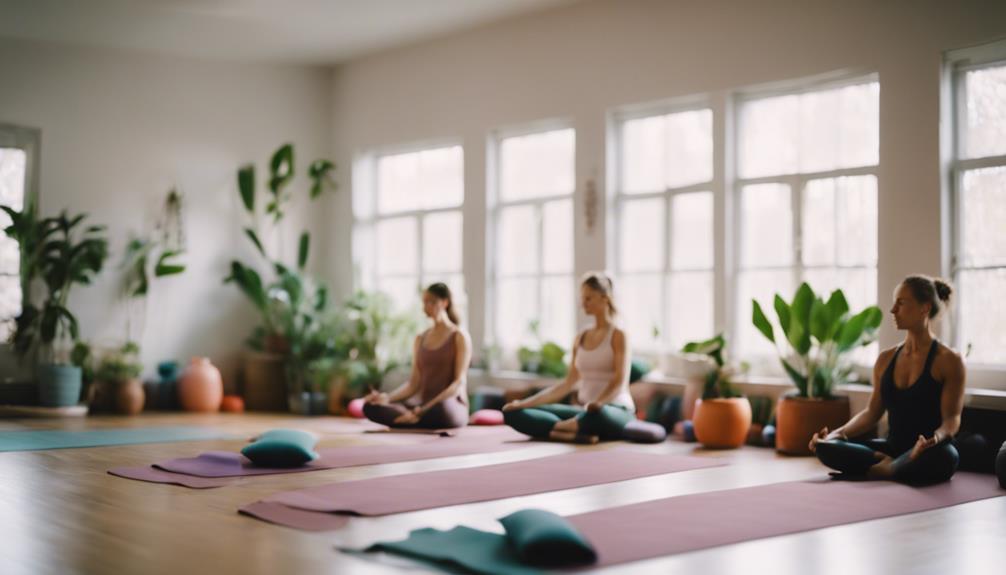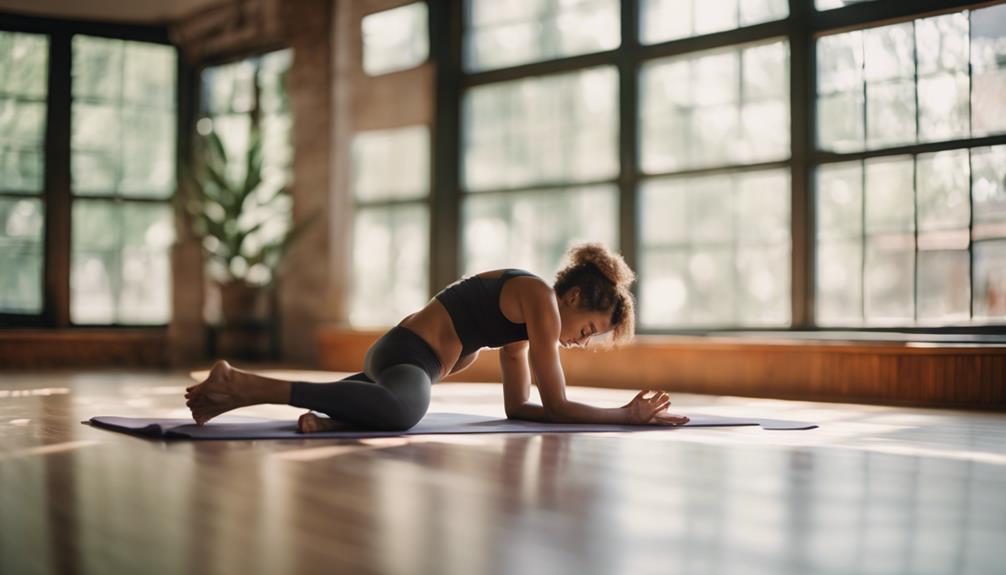
When time is limited, a 20-minute Yogalates session can provide a focused combination of mobility, core conditioning, balance, and mindful movement. Yogalates blends yoga’s breath-led flow and stretching with Pilates’ emphasis on controlled movement, alignment, and abdominal support. The result is a compact practice that can be adapted for a morning routine, a midday reset, or a gentle evening workout. This 20-minute Yogalates session complements yoga’s health benefits by combining mindful movement, strength, flexibility, and relaxation.
What makes Yogalates different?
Yoga and Pilates use different methods, but they complement each other well. Yoga contributes flowing transitions, flexibility work, balance, and awareness of the breath. Pilates adds precise mat exercises that train the trunk and encourage steady control throughout each movement.
In a short Yogalates practice, the goal is not to rush through as many exercises as possible. Instead, move deliberately, maintain comfortable breathing, and pay attention to posture. A smaller range of motion performed with control is often more useful than forcing a deeper stretch or completing more repetitions.
A practical 20-minute Yogalates sequence
The following structure creates a balanced session without requiring special equipment. Use a yoga mat or another comfortable, non-slip surface if available.
1. Centering and warm-up: 3 minutes
- Begin seated or lying comfortably and take several slow, relaxed breaths.
- Roll the shoulders gently in both directions.
- Move through cat-cow at an easy pace, coordinating each change of position with the breath.
- Add gentle hip circles or controlled pelvic movements to prepare the joints.
Keep the warm-up comfortable rather than trying to create an intense stretch. The purpose is to bring attention to the body and prepare for the more active portion of the session.
2. Flowing mobility and standing work: 5 minutes
Come to standing and move through a simple sequence such as a modified sun salutation. You might alternate between reaching overhead, folding forward with bent knees, stepping back into a supported plank or tabletop position, and returning to standing.
Keep the transitions smooth and use the breath to establish a steady rhythm. If a full forward fold or plank is uncomfortable, shorten the range of motion or place the hands on a chair, wall, or blocks. Focus on length through the spine, relaxed shoulders, and stable feet. This 20-minute routine combines yoga-inspired movement with gentle back support for easing stiffness and improving mobility.
3. Core-focused mat work: 7 minutes
Return to the mat for controlled Pilates-inspired exercises. Choose a pace that allows you to keep the lower ribs relaxed and the pelvis stable.
- Pelvic tilts: Lying on your back with knees bent, gently alternate between neutral pelvis and a small flattening of the lower back.
- Single-leg stretches: Lift one leg at a time while keeping the movement slow and the abdominal wall gently engaged.
- Bridge: Press through the feet to lift the hips, then lower with control. Avoid overarching the lower back.
- Supported roll-down or roll-up preparation: Practice lowering or lifting only as far as you can control without pulling on the neck or straining the back.
It is not necessary to perform every exercise. Select two or three and repeat them with careful alignment. Rest whenever your breathing becomes strained.
4. Stretch and relaxation: 5 minutes
Finish with slower movements that release tension without forcing flexibility. Comfortable options include a seated forward fold with bent knees, a gentle spinal twist, a hip stretch, or a supported child’s pose. Spend the final minute lying or sitting quietly, allowing the breath to return to its natural rhythm.
Adjustments for comfort and safety
Yogalates should feel focused and challenging, but it should not cause sharp pain, numbness, or dizziness. Stop the exercise and change position if those symptoms occur. Prioritize smooth, controlled movement over depth, speed, or repetition count.
- If your back is sensitive, make pelvic movements smaller and skip any roll-up variation that causes strain.
- If your neck feels tense during abdominal exercises, keep the head down or support it lightly rather than forcing the chin toward the chest.
- Use a wall, chair, or reduced range of motion for balance and standing exercises when needed.
- During pregnancy, choose comfortable seated and standing variations and avoid exercises that create abdominal or spinal compression. If you are pregnant, recovering from an injury, or managing a chronic condition, seek appropriate professional guidance before starting or changing your routine.
Making a short practice consistent
A 20-minute session is easier to maintain when it has a regular place in your day. Try practicing in the morning, during a break, or as part of an evening wind-down. Three sessions per week can provide a practical starting point, with the focus adjusted according to how your body feels.
Some days can emphasize standing mobility and stretching, while others can include more core work. Over time, notice changes such as improved ease of movement, steadier balance, or greater awareness of posture. A brief, consistent practice can complement longer yoga or Pilates sessions while remaining manageable on busy days.