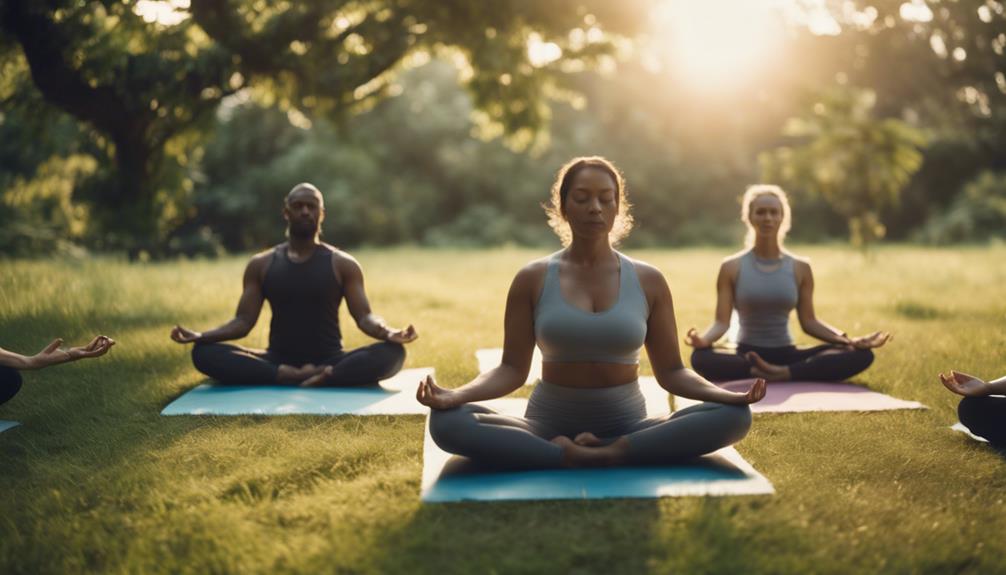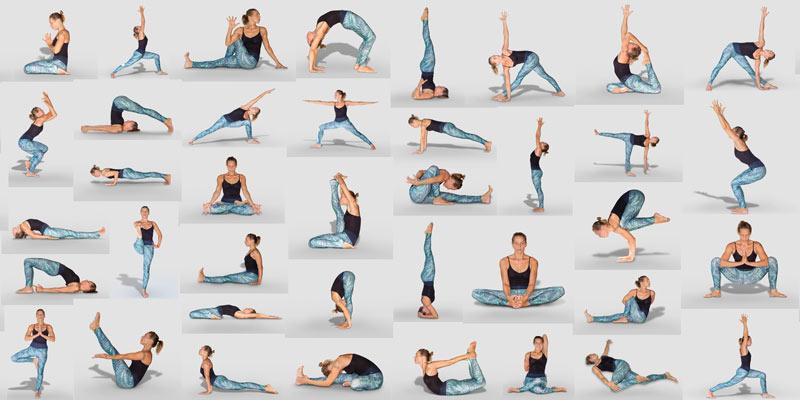
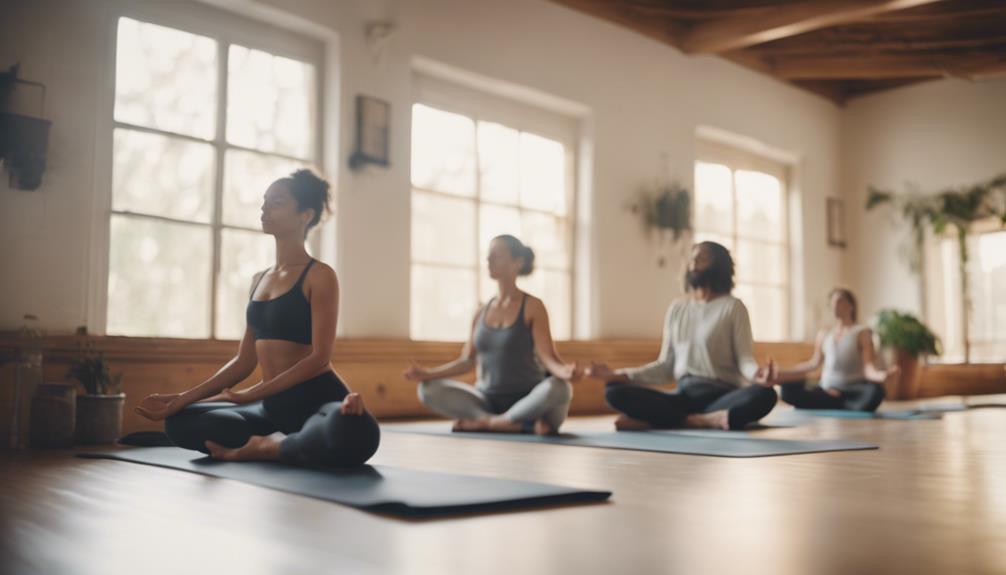
A yoga instructor training retreat can be an important step in deepening your personal practice, learning to teach, or pursuing a professional yoga qualification. Unlike a training course spread across evenings or weekends, a retreat places study, practice, and community at the centre of your daily routine. The immersive setting can help you concentrate, but it also requires a serious commitment of time, energy, and money. This retreat can deepen your instructor training focus through guided practice, teaching feedback, and dedicated professional development.
The right program depends on your goals, preferred learning environment, travel plans, and the type of certification you want to pursue. Comparing these factors before booking will help you choose a retreat that is both inspiring and realistically suited to your needs.
Why choose a yoga instructor training retreat?
Retreat-based training removes many of the interruptions of ordinary life. With regular time dedicated to asana, philosophy, anatomy, teaching practice, and reflection, students can engage with the material as a connected course rather than as isolated lessons.
The residential environment can also support a strong learning community. Trainees practise together, exchange feedback, and take turns teaching under supervision. This repeated practice is particularly valuable for developing communication skills, confidence, sequencing ability, and awareness of different students’ needs.
Retreats take place in many settings, including dedicated yoga centres, rural venues, beachfront locations, and ashram-style communities. A peaceful location may encourage focus, while an international destination can add cultural experiences to the training. The setting should support your learning rather than distract from it, so consider whether you would thrive in an isolated, highly structured environment or prefer easier access to familiar surroundings.
Common training formats and course lengths
Yoga instructor retreats vary from short intensives to extended residential programs. A 200-hour yoga teacher training retreat is a common choice for students seeking a substantial foundation in teaching. Other courses may offer introductory training, advanced study, specialist subjects, or modular schedules that allow participants to complete the work over a longer period.
When comparing formats, look beyond the number of days advertised. An intensive course may involve several hours of physical practice and classroom study each day, followed by reading, assignments, or preparation for teaching assessments. A shorter retreat may be useful for exploration or continuing education, but it may not provide the same depth or certification pathway as a full foundational program.
- Residential intensives: concentrated learning with accommodation and training in one location.
- Modular programs: course sections completed over several visits or across a longer period.
- Domestic retreats: a simpler option for students who want to reduce international travel and logistical costs.
- Overseas trainings: an opportunity to study in a different cultural setting, provided travel and entry requirements are manageable.
What should the curriculum include?
A well-rounded instructor training course should explain not only how to perform postures, but also how to teach them responsibly. Review the syllabus carefully and look for a balance of practical instruction, theory, observation, and supervised teaching.
- Asana practice, alignment, modifications, and sequencing
- Anatomy and physiology relevant to yoga practice
- Yoga philosophy, ethics, and the history of the tradition
- Teaching methodology, class planning, demonstrations, and verbal cues
- Practicum sessions in which trainees teach and receive feedback
- Approaches to adapting classes for different abilities and experience levels
If certification is important to you, ask exactly what the course completion document represents and whether the program has the affiliation or registration you require. Terms such as “200-hour,” “international certification,” or “RYT 200” should not replace your own verification. Check the school’s stated requirements, assessment process, trainer credentials, and any separate registration steps that may apply after graduation. A retreat can help aspiring instructors learn from standout yoga teachers and refine their teaching presence.
How to compare schools and teachers
Reputation matters, but it should be assessed alongside practical evidence. Read the full course description, examine the daily timetable, and look for clear information about class sizes, accommodation, meals, teaching staff, assessments, and refund policies.
Consider the lead trainers’ experience and teaching approach. A strong personal practice does not automatically mean someone is an effective teacher trainer, so look for instructors who can explain their professional background and describe how they support beginners. Student reviews may reveal useful details about workload, organisation, teaching feedback, and the accuracy of the promotional material.
It is also worth asking whether the school offers mentoring, alumni contact, or guidance after graduation. These forms of support can be useful when you begin planning classes and developing your teaching voice.
Budgeting and preparing for the retreat
The advertised tuition fee may not cover every cost. Build a complete budget that includes travel, accommodation, meals, local transport, insurance, visas or entry requirements where relevant, books, mats, props, and time away from work. Confirm what is included before making a deposit.
Prepare for the physical and mental demands of an intensive schedule. A consistent, sustainable practice before the course may help, but avoid trying to force advanced postures or dramatically increase training volume immediately beforehand. Read any recommended materials, organise travel documents, and contact the school about injuries, dietary needs, accessibility, or medical concerns.
Planning your next steps after graduation
Completing a retreat is a foundation, not the end of teacher development. New instructors often benefit from mentorship, observation, additional specialist training, and regular opportunities to teach. Continued study can help refine skills in areas such as anatomy, restorative practice, meditation, or working with specific populations.
If you hope to teach in another country, research local expectations independently. Registration, insurance, work permissions, and studio requirements can vary by location. A certificate may support your professional plans, but it does not automatically resolve every legal or employment requirement.
The best yoga instructor training retreat is one whose curriculum, pace, teachers, certification pathway, and practical arrangements match your intentions. Careful research will help you find an immersive experience that supports both a deeper personal practice and a responsible start to teaching.