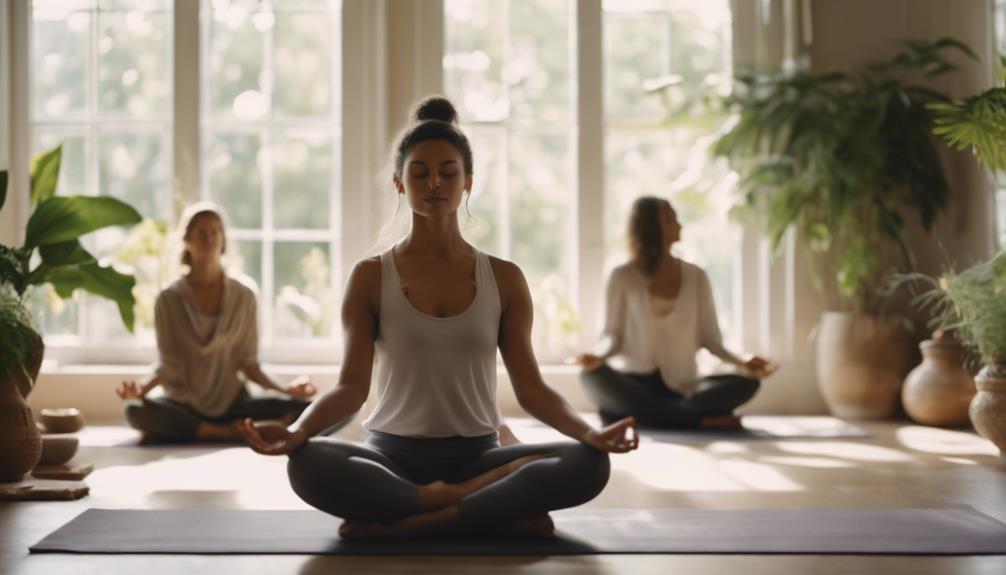
When the hips and lower back feel tight or painful, gentle yoga can provide a structured way to move, breathe, and rebuild confidence in everyday movement. The goal is not to force flexibility or push through discomfort. A useful routine combines easy mobility work with stretches for the hips and strengthening exercises that help support the pelvis and spine.
These poses may be suitable for mild, non-acute discomfort, but they are not a substitute for individual medical advice. Move slowly, use props when needed, and stop any exercise that causes sharp pain, worsening symptoms, or pins-and-needles sensations.
How yoga may support the lower back and hips
Limited hip mobility can change how the pelvis moves during walking, sitting, bending, and other daily activities. At the same time, a lack of strength in the glutes and core can place more demand on the lower back. Yoga can address both areas by combining controlled movement, stretching, muscular engagement, and breathing.
A consistent practice may help you become more aware of habits such as bracing, holding your breath, or moving asymmetrically. That awareness makes it easier to adjust a pose before it becomes uncomfortable. Progress is usually gradual, so regular gentle sessions are preferable to occasional intense stretching.
Prepare for practice
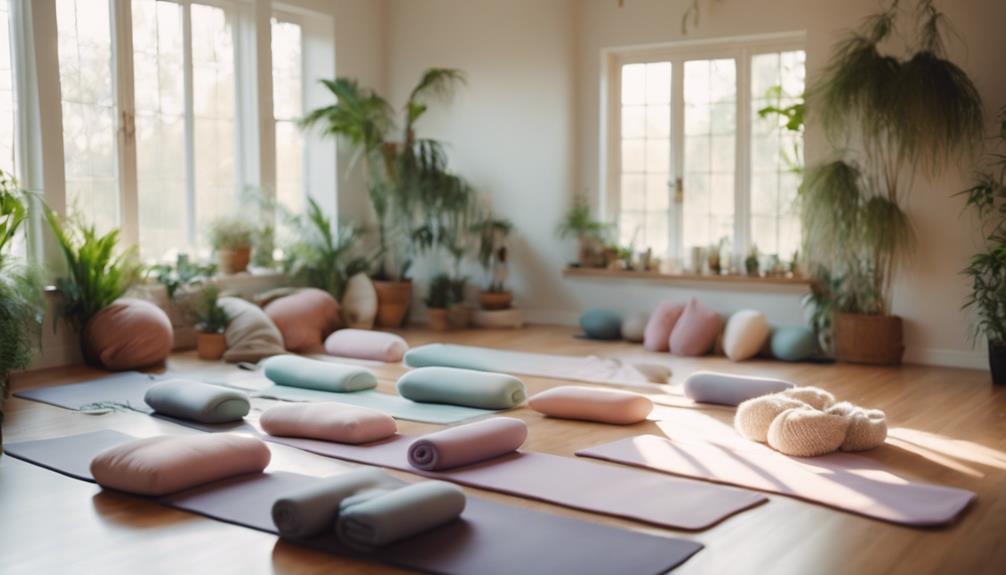
Start with five minutes of easy walking or relaxed breathing while lying on your back. This gives you time to notice how your body feels before adding stretches. Keep a folded blanket, cushion, yoga block, or strap nearby so you can reduce the range of motion and support your joints.
- Keep the movement slow and controlled.
- Stretch to a mild sensation rather than forcing the deepest position.
- Continue breathing steadily instead of holding your breath.
- Come out of a pose if symptoms become sharper, stronger, or more widespread.
If your pain followed a recent injury, or if you have severe sciatica with progressive weakness or a diagnosed spinal condition, consult a healthcare professional before beginning. A qualified yoga teacher familiar with therapeutic modifications can also help adapt the practice.
Gentle poses for lower back and hip discomfort
Single-knee-to-chest stretch
Lie on your back with both knees bent and your feet supported. Slowly draw one knee toward your chest while allowing the other foot to remain on the floor. Hold for several relaxed breaths, then change sides. Keep the shoulders and jaw relaxed. This simple position gently moves the hip and can feel relieving when the lower back is tense.
Reclined figure-four
From the same position, place one ankle across the opposite thigh. If the stretch feels comfortable, draw the supporting leg toward you and hold behind the thigh. A strap can make this easier. Keep the head and shoulders relaxed and avoid pulling aggressively. The focus is the outer hip and glute of the crossed leg, not a deep twist in the lower back.
Supported child’s pose
Kneel with the knees comfortably apart and sit the hips back toward the heels. Walk the hands forward and rest your chest or forehead on a cushion if reaching the floor feels difficult. If kneeling is uncomfortable, choose another resting position. Let the breath expand gently through the ribs and use the pose as a calm pause between more active movements.
Cat-cow movement
Come onto your hands and knees, placing a folded blanket under the knees if needed. Slowly alternate between gently rounding and lengthening the spine. Keep the movement small and let the pelvis participate rather than forcing the back into either extreme. This dynamic exercise can warm the spine before longer-held stretches.
Bridge pose
Lie on your back with the knees bent and feet about hip-width apart. Press through the feet and lift the hips only as high as you can without pinching or straining the lower back. Pause briefly, lower with control, and repeat several times. Focus on the glutes and the steady support of the abdominal muscles. Bridge adds strength to a routine so that flexibility work is balanced with stability.
Supported half-pigeon variation
For a deeper hip stretch, bring one leg forward while extending the other behind you, using a blanket or block beneath the front hip if necessary. Keep the spine comfortably upright or lean forward over support. Do not force the front knee into position; if the pose feels unstable or creates back pain, return to reclined figure-four instead.
Build a sustainable routine
Begin with 10 to 15 minutes, two or three times per week, or use a few gentle movements each day. A practical sequence is cat-cow, single-knee-to-chest, reclined figure-four, bridge, and supported child’s pose. Hold relaxed stretches for several breaths and perform strengthening movements with controlled repetitions.
Track changes in comfort, walking, bending, and other daily activities rather than judging progress only by how deeply you can stretch. As movement becomes easier, increase practice time gradually. Patience, careful modifications, and consistent breathing can make yoga a useful complement to a broader plan for managing lower back and hip discomfort.