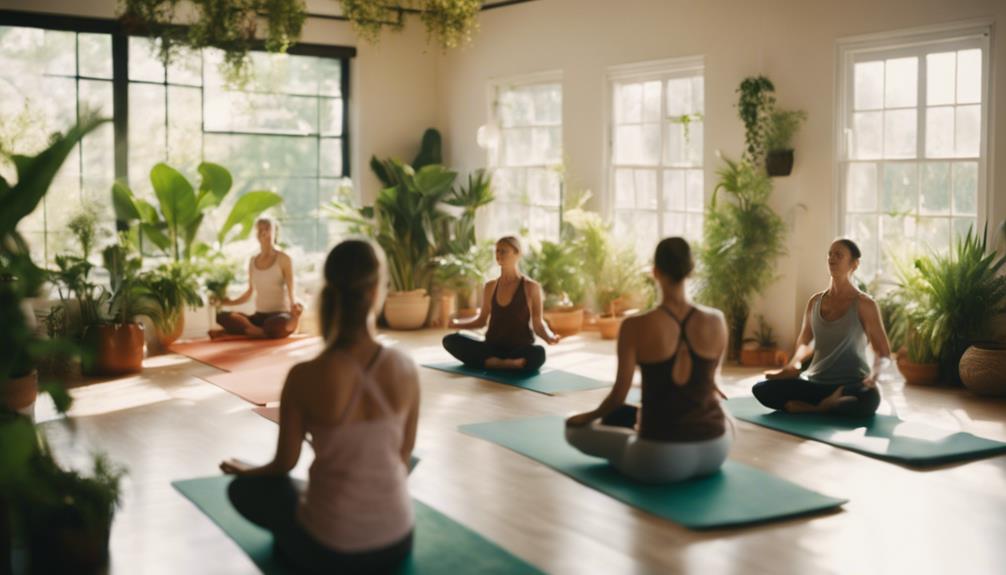

Improving flexibility does not require expensive equipment or lengthy gym sessions. A consistent stretching program can help make everyday movement feel more comfortable, support posture and mobility, and complement other fitness goals. The most effective routine combines gentle preparation, active movement, longer controlled holds, and enough recovery for the body to adapt. For broader mobility and wellness, explore health-focused yoga routines that complement a consistent stretching program.
What flexibility training can do
Flexibility affects how freely your joints and muscles move during ordinary activities and exercise. Tightness may develop from prolonged sitting, repetitive movement, limited activity, or previous injuries. A targeted routine can address areas that feel restricted while improving awareness of posture and movement patterns.
Flexibility work can also be a useful way to slow down and focus on breathing. Adding elements commonly found in yoga—such as mindful breathing, controlled transitions, and careful alignment—may make sessions more relaxed and easier to perform consistently. Regular practice matters more than forcing an intense stretch occasionally.
How to build a balanced routine
Start by choosing a clear goal. You may want to improve general mobility, spend more time opening the hips and shoulders, move more comfortably after sitting, or work toward a specific skill. Your goal will determine which areas receive the most attention, but a balanced program should still include the whole body.
Begin each session with five to ten minutes of easy movement. Walking, marching, arm circles, or gentle joint mobility can raise body temperature and prepare you to stretch. Follow this warm-up with dynamic movements, using a comfortable range rather than holding one position. Save longer static stretches for the end of the session or for a separate mobility practice.
- Use smooth, controlled movements instead of bouncing.
- Stretch to a noticeable but manageable sensation, not sharp or sudden pain.
- Keep breathing steadily and avoid holding your breath.
- Increase duration or range gradually as the position becomes easier.
- Practice at least three times per week, with brief mobility work on other days when practical.
Foundational stretches to include
The following movements cover areas that influence many daily activities. Perform them gently and adjust the range to suit your current ability.
- Spinal rotations: Gentle seated or lying twists can mobilize the middle of the back. Keep the movement easy and avoid forcing the lower back.
- Low lunge hip-flexor stretch: Place one foot forward and lower the opposite knee. Keep the torso upright and move the hips forward only until you feel a mild stretch at the front of the back-leg hip.
- Hamstring stretch: Extend one leg with the heel supported or keep both feet on the floor during a modified forward fold. Hinge from the hips and maintain a comfortable spinal position.
- Chest opener: Draw the shoulders gently back or place your hands behind you without forcing the arms. This can counter the rounded posture that often accompanies desk work.
- Shoulder and upper-back mobility: Use slow arm circles, cross-body stretches, or an easy child’s-pose variation to address tension around the shoulders and upper back.
Hold static stretches for a comfortable period, then release slowly. There is no need to reach the deepest possible position for the exercise to be useful.
Using yoga to support flexibility
Yoga can add structure and variety to a stretching program. Flow-based sequences use continuous movement to build warmth and explore active range of motion. Slower or restorative practices place more emphasis on breathing, relaxation, and sustained positions. For a well-rounded stretching routine, explore back-friendly yoga poses that gently improve mobility while easing everyday tension.
Choose the style that matches your needs on a given day. A dynamic sequence may suit a warm-up or movement-focused session, while a slower practice can work well after a demanding day or as part of recovery. In every style, prioritize stable joints, controlled alignment, and a range that feels sustainable rather than impressive.
A simple weekly schedule
A realistic schedule is easier to maintain than an ambitious one. You might organize your week as follows:
- Two or three focused sessions: Spend 30 to 45 minutes combining warm-up movements, dynamic stretches, and static holds.
- Two short mobility sessions: Use 15 to 20 minutes for hips, shoulders, spine, breathing, and other areas that need attention.
- One slower yoga session: Emphasize relaxation and controlled, longer positions.
- At least one active-rest day: Choose light walking or gentle movement instead of intense stretching.
If this schedule is too demanding, begin with three shorter sessions. Building a dependable habit is more valuable than following a plan that leaves you exhausted or discouraged.
Track progress and protect your joints
Flexibility changes gradually. Track progress by noting whether a daily task feels easier, recording how far you can reach without strain, or taking occasional photographs of a consistent position. Compare your results over time rather than judging each session.
Do not force a joint beyond its comfortable range, and do not treat pain as evidence that a stretch is working. Allow recovery between demanding sessions, and support your routine with adequate sleep, hydration, and regular nutrition. If you have an existing injury, medical condition, or persistent pain, seek advice from a healthcare professional or qualified instructor before adapting the program.
With patient, consistent practice, a well-rounded stretching program can support smoother movement and make flexibility training a sustainable part of overall health and fitness.