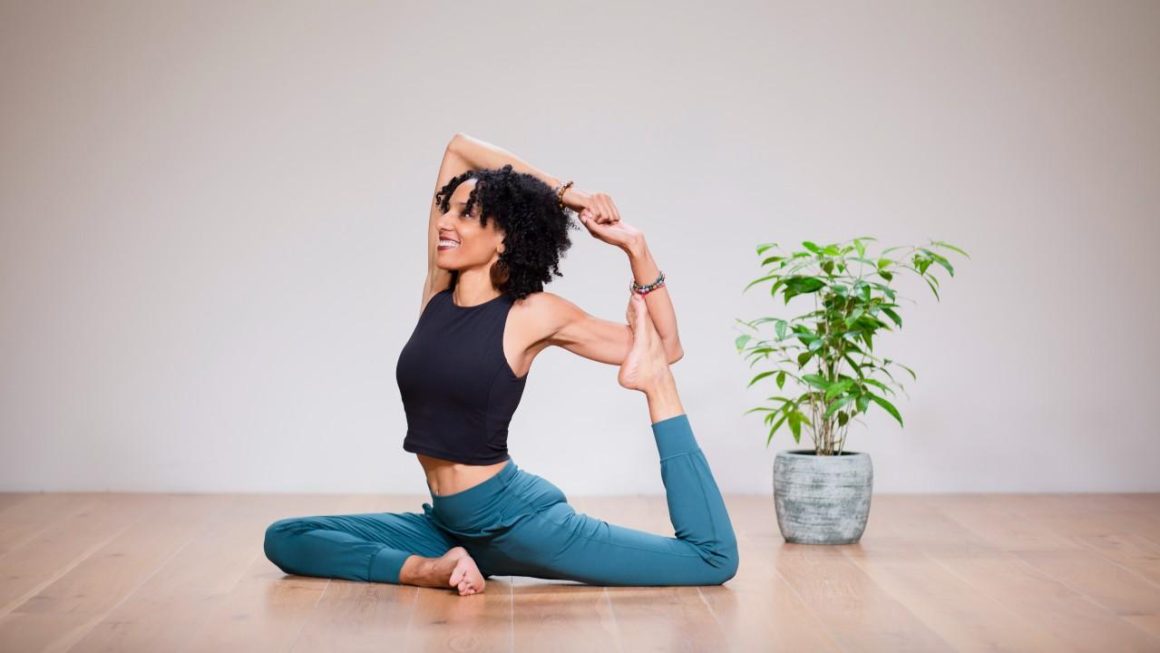

Yoga does not have to be an expensive habit. Depending on where you live, you may find reasonably priced classes at studios, community centers, colleges, gyms, nonprofit organizations, or independent instructors. The best option is not always the class with the lowest advertised price. It is the one that fits your schedule, goals, experience level, and total budget well enough for you to attend consistently. Explore local yoga options to compare nearby studios, class schedules, and affordable sessions that fit your routine.
Start with a local search
Searching for “affordable yoga classes near me” is a useful first step because location affects more than convenience. A nearby class is easier to attend regularly, and local listings can reveal options that do not appear in broad national directories.
Use map and local business listings to compare studios, community programs, and independent teachers. Check the distance, class times, yoga styles, reviews, photos, and published prices. Neighborhood groups and community forums may also provide recommendations, although you should confirm details directly with the provider because schedules and fees can change.
Where to look for lower-cost yoga
Affordable classes are often available outside traditional boutique studios. Consider searching these types of venues:
- Community centers: They may offer group classes at accessible rates and convenient times.
- Colleges and adult education programs: Some provide beginner-friendly fitness or wellness classes to the wider community.
- Nonprofit organizations: These programs may use reduced fees, scholarships, or sliding-scale pricing.
- Independent instructors: Teachers who rent shared spaces may have lower overhead and flexible pricing.
- Studios with community or donation-based classes: These can be a practical way to attend without committing to a large package.
- Online and hybrid programs: Livestreamed classes can supplement occasional in-person instruction and reduce travel costs.
Compare the real cost, not just the drop-in price
A low drop-in rate may be useful if you attend occasionally, while a class pack or punch card may offer better value if you plan to practice regularly. Before buying, compare the cost per class and review the restrictions.
- Ask whether passes expire.
- Check whether missed classes can be rescheduled.
- Look for first-class discounts, introductory weeks, or beginner series.
- Compare unlimited memberships with the number of classes you realistically expect to attend.
- Ask whether there are reduced prices for off-peak sessions.
- Find out whether equipment rental is included or charged separately.
Do not purchase a long-term membership solely because the monthly price looks attractive. A smaller package may be more economical if work, travel, or family responsibilities make your attendance unpredictable.
What to expect from a budget-friendly class
Lower-cost classes may have larger groups, fewer amenities, simpler rooms, or rotating instructors. Those differences do not automatically indicate poor instruction. A welcoming community class can provide a strong foundation even without a luxury reception area or extensive equipment. Those seeking affordable yoga classes nearby can compare Memphis hot yoga options for a warming, energizing practice.
On the other hand, a very large class may offer less individual feedback. If you are new to yoga or need modifications, consider trying a drop-in session first. Pay attention to how clearly the instructor explains movements, whether alternatives are offered, and whether you feel comfortable asking questions.
Choose a class that matches your needs
Think about why you want to practice before comparing prices. A gentle class may suit stress relief or a cautious return to exercise, while a more active format may better match goals related to strength or fitness. Beginners may benefit from a fundamentals class rather than a fast-paced session designed for experienced students.
Read available instructor information and recent reviews, but treat reviews as one source of information rather than a guarantee. If you have an injury, medical condition, or other concern, contact the instructor before enrolling and ask about relevant modifications. A qualified teacher who communicates clearly may offer better long-term value than a cheaper class that does not suit your needs.
Use a mix of in-person and at-home practice
One way to manage costs is to combine occasional studio classes with practice at home. In-person sessions can provide guidance, feedback, and accountability, while home sessions can help you practice more often without paying for every class. Choose a class schedule you can maintain rather than trying to attend as frequently as possible for a short period.
A simple checklist before you enroll
- Is the location and schedule realistic for you?
- Does the class suit your experience and goals?
- What is included in the listed price?
- Are there trial, community, or off-peak rates?
- What happens if you miss a booked class?
- Can the instructor provide appropriate modifications?
With a little comparison, affordable yoga can be found in many different formats. Focus on total value, teaching quality, accessibility, and consistency so your choice supports a sustainable practice rather than just a low initial price.