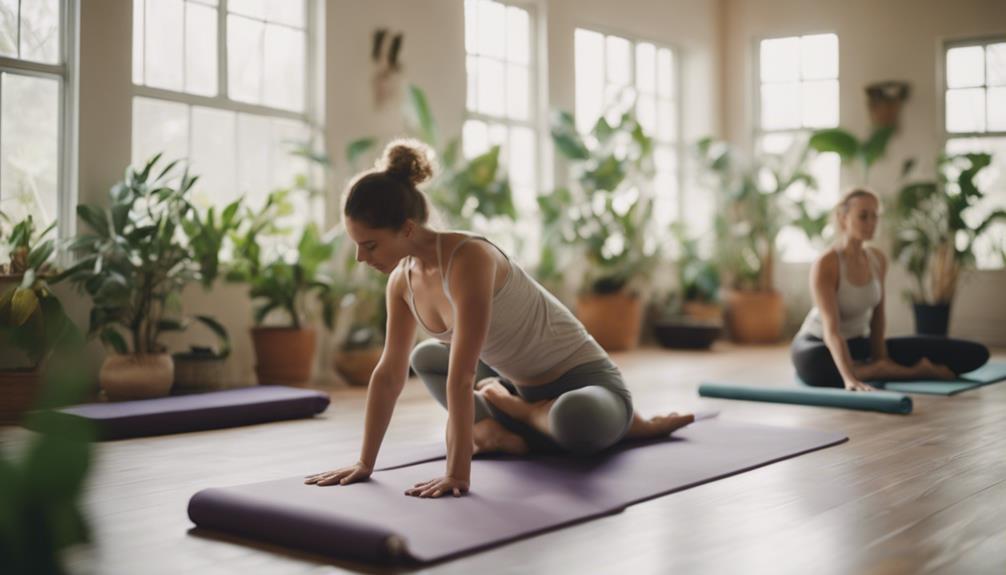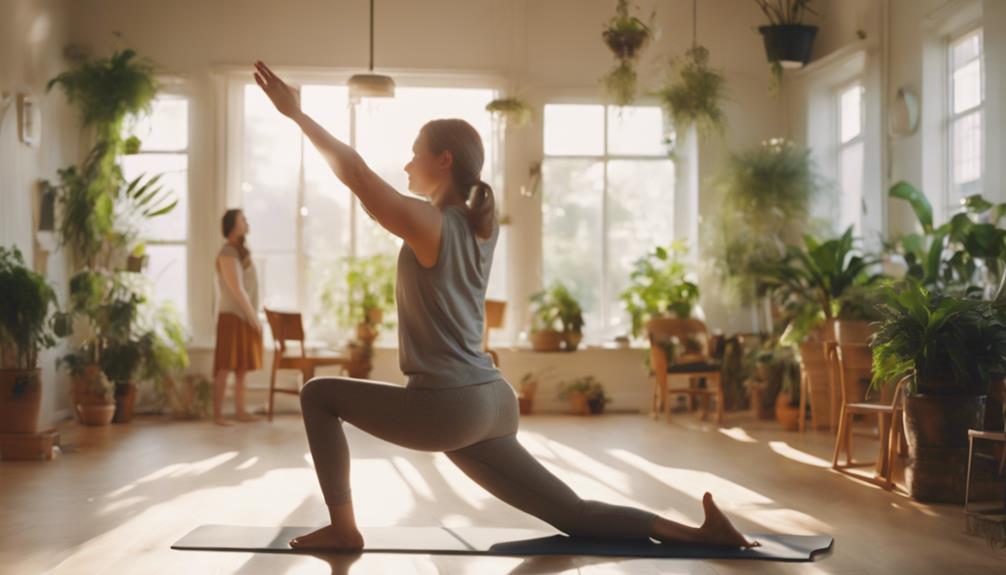

Core Power teacher training is designed for yoga practitioners who want to teach vigorous, fitness-oriented classes while maintaining an emphasis on breath, alignment, and purposeful sequencing. The approach combines dynamic vinyasa movement with strength, endurance, and core-focused work, making it a potential fit for instructors who enjoy an athletic style of practice. Core Power Teacher Training introduces different yoga traditions, helping aspiring instructors compare methods, philosophies, and class structures.
Before choosing a program, it helps to understand what the training may include, how sculpt-focused education differs from broader power yoga preparation, and which factors can affect your development as a teacher.
What Core Power teacher training typically covers
Training generally focuses on the skills required to lead energetic classes safely and effectively. Alongside regular personal practice, students study how to create a class that builds heat, manages intensity, and remains accessible to people with different experience levels.
Common areas of study include:
- Anatomy related to the spine, hips, shoulders, and core
- Alignment principles and movement safety
- Breath-led transitions and dynamic sequencing
- Verbal cueing, demonstration, and class presence
- Pacing and structure for strength-focused flows
- Modifications, progressions, and regressions
- Hands-on adjustments where appropriate and within the program’s teaching standards
Because this style sits between yoga and fitness, teachers must learn to balance physical challenge with mindful instruction. A class can be demanding without becoming disorganized or needlessly intense. Clear communication and sound movement choices are central to that balance.
Curriculum, sequencing, and teaching practice
A strong training experience combines theory with repeated opportunities to practice teaching. Anatomy and kinesiology lessons help trainees understand how muscles and joints contribute to common postures and transitions. This knowledge supports better cueing and helps instructors recognize when a student may need a variation.
Sequencing education focuses on how to organize a class from beginning to end. Trainees may explore warm-ups, standing flows, core work, strength holds, peak efforts, cooldowns, and final relaxation. The goal is not simply to memorize a routine, but to understand why movements are placed in a particular order and how intensity can be adjusted for the group.
Teaching methodology may also include scripting, voice and language, demonstrations, room awareness, and strategies for maintaining a steady class rhythm. Supervised teaching practicums are especially valuable because they allow students to receive feedback before leading classes independently. Mentorship or community support can further help new instructors move from personal practice into professional teaching.
Core Power Sculpt training
Core Power Sculpt training adds a more explicit strength-and-conditioning emphasis to the Core Power framework. Depending on the program, classes may combine flowing yoga sequences with bodyweight exercises, resistance work, focused abdominal training, and muscular-endurance intervals.
For prospective instructors, this specialization involves more than adding exercises to a yoga class. Teachers need to learn how to introduce equipment or props safely, offer alternatives for different abilities, and connect strength segments with mobility-focused movement. They also need to manage cumulative fatigue so that students can work hard without losing control or compromising alignment. Core power teacher training can incorporate a short core sequence to build strength efficiently during compact yoga sessions.
Sculpt training may suit teachers who want to work with students seeking both yoga technique and functional fitness benefits. It can also expand the range of class formats an instructor is prepared to offer, provided the additional training matches the teacher’s experience and professional goals.
Core Power and power yoga instructor training
Core Power teacher training and broader power yoga instructor training share several characteristics, including vigorous movement, heat-building sequences, strength, and breath awareness. They are not necessarily interchangeable, however. A Core Power pathway may focus on a particular teaching method or class structure, while a broader power yoga program may offer a wider interpretation of the style.
Compare course descriptions carefully before enrolling. Look for information about anatomy, teaching hours, supervised practice, assessment, modifications, sequencing, and the type of credential awarded. If you are considering more than one qualification, determine whether the programs complement one another rather than repeating the same material.
Career planning after training
Graduates may explore teaching opportunities in yoga studios, fitness facilities, community settings, corporate wellness programs, or online and mobile formats. The credential alone does not determine a teaching career; practical experience, communication skills, reliability, and the ability to serve a particular student population also matter.
It is useful to investigate post-training expectations in your intended work setting. Liability insurance, continuing education, audition preparation, and professional mentoring may all be relevant as you begin teaching. Requirements can vary, so prospective instructors should confirm them with the studios or organizations where they hope to work.
How to choose a suitable program
Start by identifying the kind of classes you want to teach. If your goal is an athletic flow with a strong emphasis on conditioning, Core Power training may align with your interests. If you want to incorporate resistance and more structured strength work, a sculpt specialization may be worth considering. If you prefer a less brand-specific approach to vigorous vinyasa, compare broader power yoga programs as well.
Then review the format, faculty experience, feedback opportunities, mentorship, schedule, and balance between online study and in-person instruction. The most useful program will be one that develops your personal practice while also giving you repeated, supervised experience in anatomy, sequencing, cueing, and class leadership.