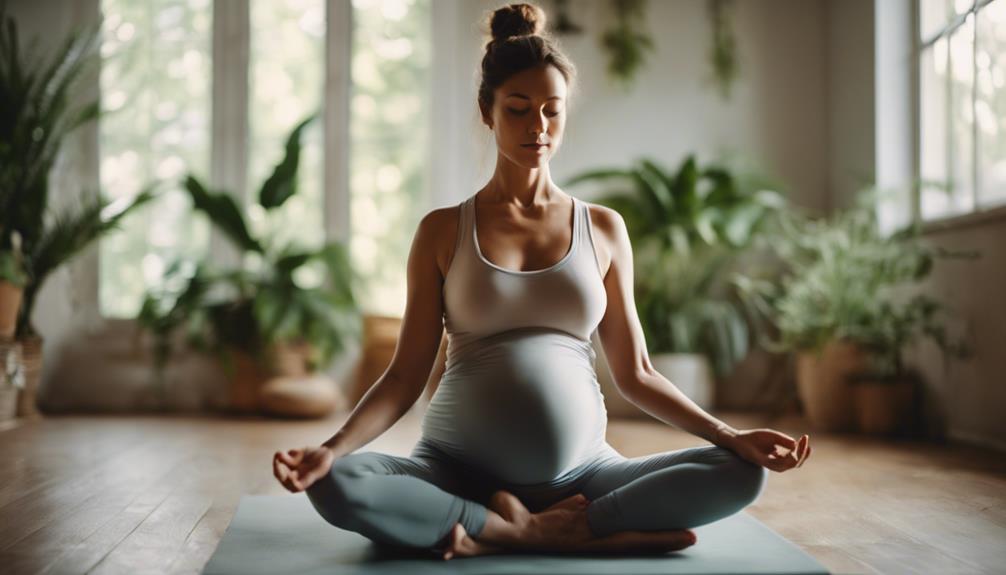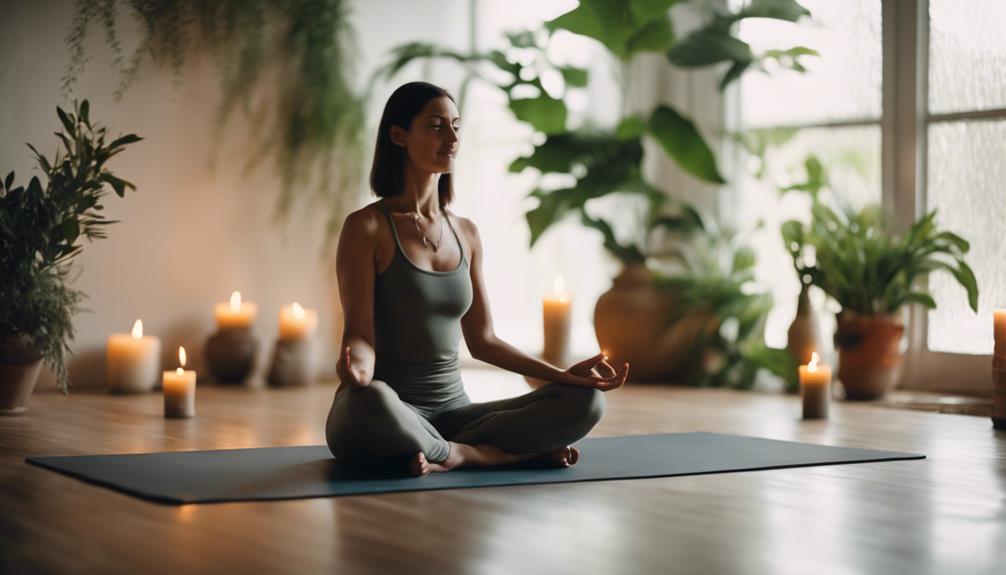
Finding a yoga studio that fits your schedule, experience level, and personal goals can make it easier to build a consistent practice. For people searching for South End yoga in Boston, MA, the neighborhood offers a convenient setting to explore different teaching styles, class formats, and approaches to wellness.
What to Look for in a South End Yoga Studio
Yoga studios in Boston’s South End may range from intimate boutique spaces to larger facilities with broad class schedules. The right choice depends less on finding a single “best” studio and more on identifying an environment where you feel comfortable learning and returning regularly.
As you compare options, consider:
- Class times: Look for morning, midday, or evening sessions that fit naturally into your routine.
- Class size: Smaller classes may provide more opportunities for individual guidance, while larger classes can offer a lively group atmosphere.
- Instruction style: Teachers differ in how they explain alignment, demonstrate poses, structure sequences, and use hands-on or verbal adjustments.
- Studio atmosphere: A calm, welcoming space can make a meaningful difference, especially if you are new to yoga.
- Pricing options: Drop-in classes, introductory offers, class packages, and memberships may suit different levels of commitment.
Yoga Classes and Styles to Explore
A typical yoga schedule may include several styles, each offering a different experience. Vinyasa classes generally connect movement with breath and can vary from gentle to physically challenging. Hatha classes often move at a more measured pace, making them useful for developing familiarity with foundational postures and alignment.
If your priority is recovery, relaxation, or quiet attention, consider restorative or yin yoga. These formats usually involve longer-held poses and supportive props, with an emphasis on slowing down. Some studios also offer power-oriented classes, meditation, breathwork, workshops, or courses focused on anatomy and injury prevention.
Beginners do not need to be flexible or experienced before attending a class. If you are starting out, look for sessions described as beginner-friendly, introductory, gentle, or foundational. When in doubt, contact the studio and ask which class best matches your experience and any physical limitations.
What to Expect During Your Visit
Most studios provide a practice room, reception area, and basic equipment such as mats, blocks, straps, and bolsters. Some allow students to borrow or rent equipment, while others expect you to bring your own. Checking the studio’s policies before your first visit can help you arrive prepared.
During class, instructors typically offer verbal cues and demonstrations so students can follow at their own pace. Yoga is not a competition, and modifications are a normal part of practice. You may use props, take a rest, or choose a gentler variation whenever needed. If you have an injury, ongoing health concern, or specific movement restriction, speak with a qualified healthcare professional and inform the instructor before class.
Finding a Class That Matches Your Goals
Your reason for practicing can help narrow the choices. A flowing or strength-focused class may appeal to someone who wants an active workout, while a slower class may be more suitable for stress relief, mobility, or winding down after work. Many people benefit from combining different formats—for example, an active class during the week with a restorative session on another day.
The instructor is also an important part of the experience. Try classes with more than one teacher when possible. One instructor may emphasize precise alignment, another may focus on breath and mindfulness, and another may create a more energetic or athletic sequence. The best fit is often the teacher whose explanations, pace, and approach help you feel both challenged and supported.
Yoga as Part of South End Community Life
A local studio can be more than a place to take a class. Yoga communities often grow through workshops, meditation sessions, sound-based relaxation events, teacher education, and community or charitable gatherings. These programs may provide ways to learn beyond a regular weekly class and connect with people who share an interest in mindful movement and wellness.
The South End’s walkable urban setting can also make it practical to combine yoga with other parts of your day. Some people attend an early class before work, schedule a midday session, or use an evening practice as a transition between work and home. Students traveling from nearby Boston neighborhoods may want to compare travel time, transportation, and class availability before choosing a studio.
Start with a Sustainable Routine
The most useful yoga studio is one you can visit consistently and enjoy. Begin with a class level that feels manageable, ask questions when necessary, and give yourself time to learn the studio’s rhythm. Exploring several classes before choosing a package or membership can help you understand which setting, schedule, and teaching style support your goals.
Whether you are new to yoga or looking for a different place to practice, South End yoga studios can offer varied ways to build strength, improve body awareness, relax, and connect with a local wellness community.