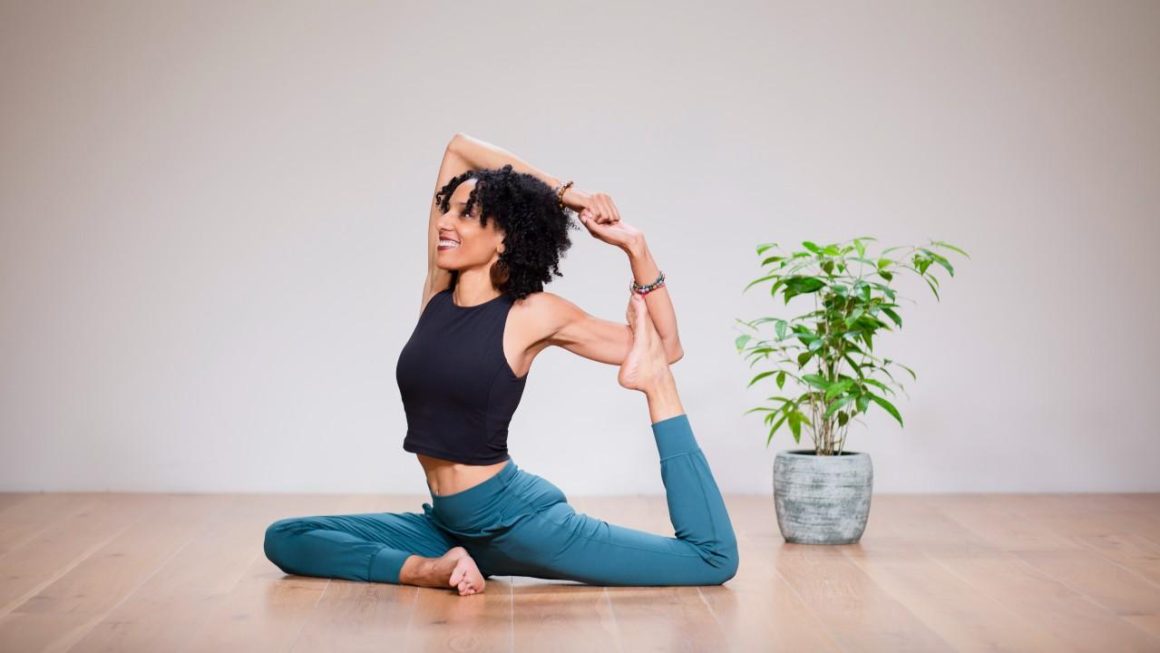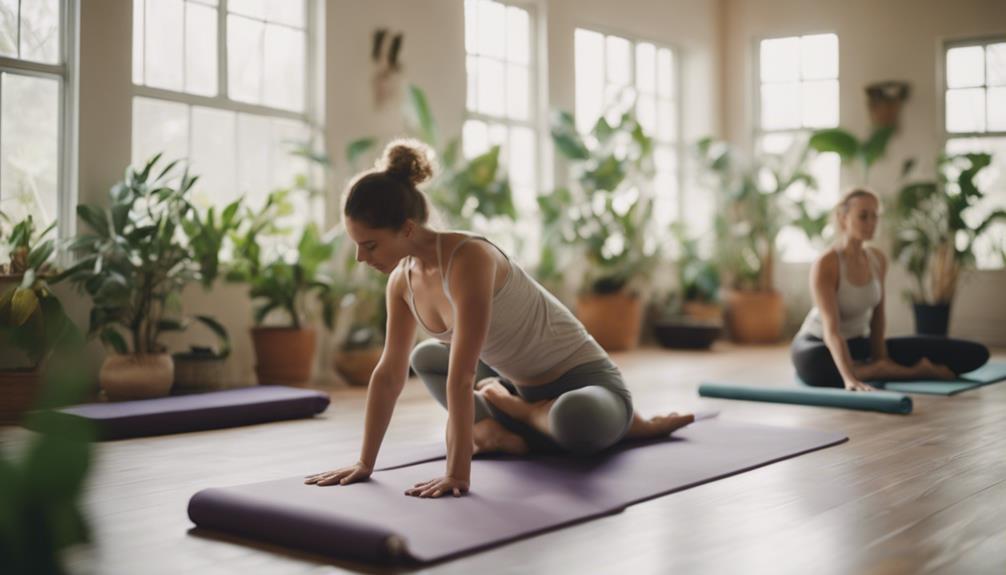
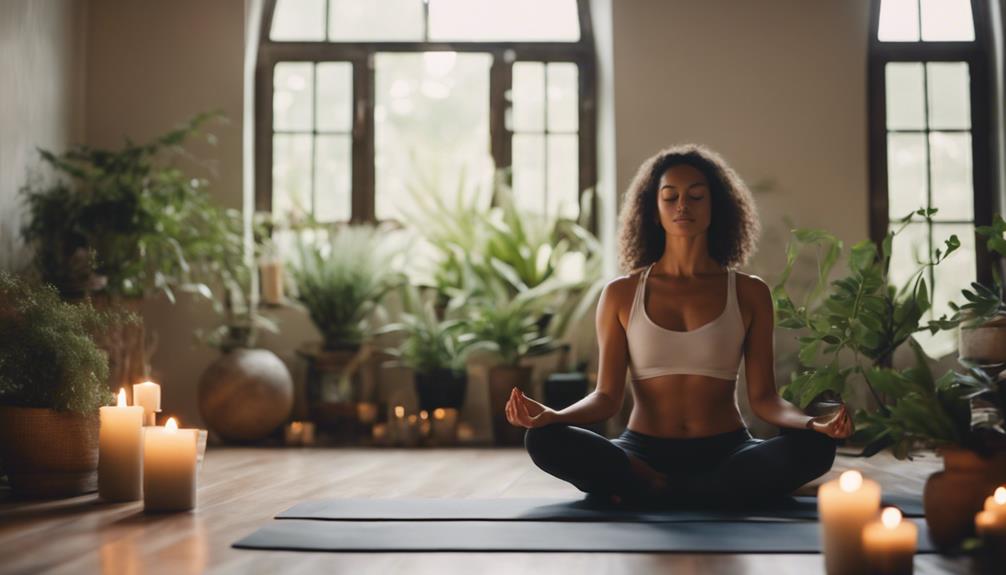
Funky yoga poses bring curiosity and playfulness to the mat without abandoning the foundations of yoga. They may combine familiar postures in unusual ways, introduce asymmetry, or ask you to explore balance from a new angle. The goal is not to force an impressive shape. It is to discover how breath, alignment, strength, mobility, and attention work together when a movement feels unfamiliar. Exploring different yoga styles can help you understand which practices inspire these funky poses.
What makes a yoga pose “funky”?
A funky pose is usually a creative variation on a recognizable posture. It might change the direction of the hips, add a twist, shift weight into one hand, or link several movements into an unexpected transition. Some variations look dramatic, while others are simple changes to a familiar standing or tabletop position.
What matters most is the approach. A playful pose should still be supported by steady breathing, controlled movement, and respect for your current range of motion. Novelty is useful when it encourages exploration, not when it leads you to ignore discomfort or rush into a shape you cannot control.
Playful variations to explore
Begin with poses you already understand, then change one element at a time. The following ideas can be adapted to suit your experience:
- Twisted tabletop: From tabletop, thread one arm beneath your torso while lifting or extending the opposite leg. Keep the movement slow and use a smaller lift if balance is difficult.
- Staggered side crow: Explore a side-crow-inspired arm balance with the legs arranged in a staggered position rather than tightly tucked. Keep the toes on the floor at first, or practice shifting weight forward without attempting to lift fully.
- Off-center warrior: Start in a familiar warrior shape and experiment with a gentle hip rotation, a lifted back heel, or a change in the arm position. Maintain a stable base before adding movement.
- Creative transitions: Move between low lunge, tabletop, downward-facing dog, or a standing pose using an unusual pathway. The transition itself can be the exploration; there is no need to hold a complicated final shape.
These examples are starting points rather than fixed requirements. A small adjustment can be enough to make a familiar pose feel fresh.
How to adapt unique poses
Creative movement becomes more accessible when you separate the final shape into manageable skills. Work on the necessary shoulder, hip, wrist, or core actions independently before combining them. Props can also make experimentation more controlled:
- Use blocks to bring the floor closer or support a hand.
- Place a mat near a wall when practicing balance.
- Keep one foot or one set of toes grounded while learning a weight shift.
- Reduce the range of a twist or lift rather than forcing the full variation.
- Practice on forearms or with fists only if that option feels comfortable and stable for your wrists.
There is no advantage in treating a modification as a lesser version. A supported variation can reveal the mechanics of a pose while giving you time to build confidence and coordination. After exploring funky yoga poses, unwind with a playful bedtime sequence inspired by Adriene’s calming nighttime practice.
Why explore funky yoga poses?
Unusual shapes ask the body to coordinate movement in ways that a routine sequence may not. They can bring attention to balance, spatial awareness, mobility, and strength, while also making practice feel less predictable. For some practitioners, that change is enough to renew motivation when a familiar routine has begun to feel repetitive.
There is also a mental aspect to experimentation. You may need to solve a movement problem, adjust your plan, or accept that a pose is not available today. Meeting those moments with patience can encourage a more flexible and curious attitude toward practice. The result is not a demand to perform increasingly difficult poses, but a broader movement vocabulary and a stronger sense of personal choice.
Build a safe exploration session
Set aside a short section of your practice for play rather than trying to make every pose unconventional. Begin with gentle movement for the shoulders, hips, wrists, and spine, followed by a few steady foundational poses. Then choose one variation and explore it gradually:
- Establish the alignment and breathing pattern of the basic pose.
- Change one feature, such as the leg position, arm direction, or weight distribution.
- Pause and notice whether you can maintain control and breathe smoothly.
- Return to the simpler version whenever the movement becomes strained or unclear.
- Finish with a comfortable release or restorative posture.
Pain, pinching, numbness, or persistent discomfort is a reason to stop and reassess rather than push further. Balance work is also best practiced with enough clear space to step out safely.
Bring creativity into different yoga styles
Funky variations can fit into many approaches to yoga when they respect the purpose and structure of the session. In a flowing practice, an unusual transition or arm-balance preparation can add variety. In a slower class, a supported twist or asymmetrical arrangement may offer exploration without speed. Even a traditional practice can include thoughtful individual adjustments, provided they remain consistent with the principles being emphasized.
Keep the creative element intentional: one carefully explored variation can be more valuable than a sequence filled with shapes that you cannot feel or control. With patience and a lighthearted attitude, funky yoga poses can make practice more personal while keeping breath, awareness, and safety at the center.