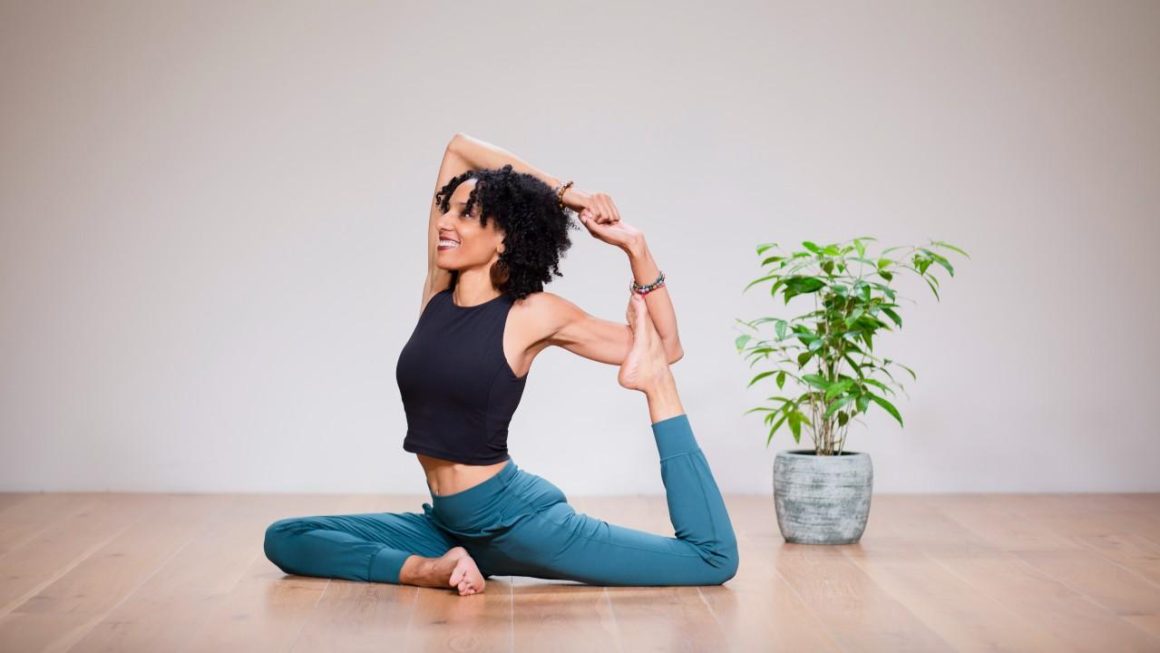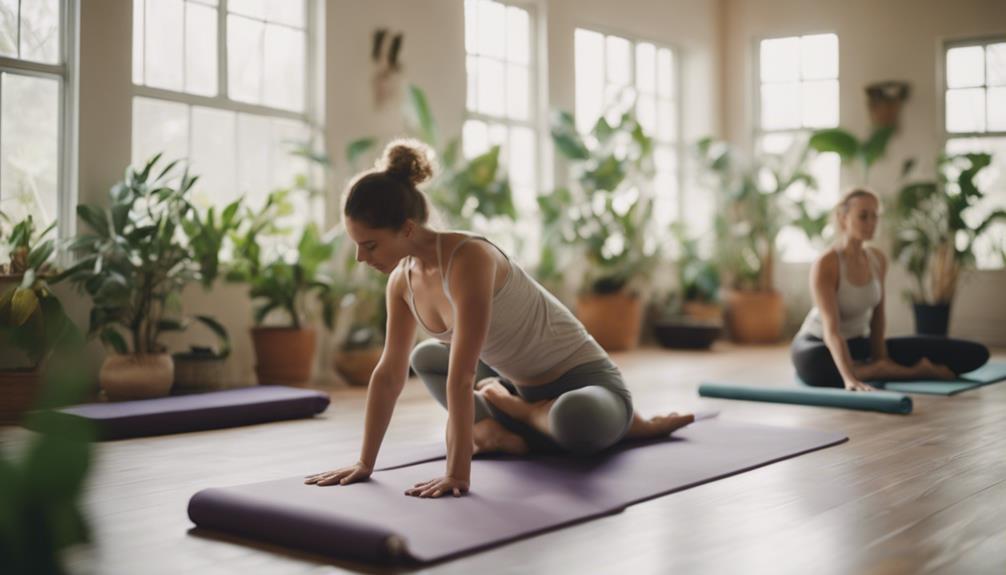

Bedtime yoga with Adriene offers a calm, accessible way to shift from the activity of the day toward rest. Rather than treating yoga as a demanding workout, these evening practices focus on slow movement, comfortable stretches, steady breathing, and the gradual release of tension. Adriene Mishler’s welcoming, body-aware teaching style can make the practice approachable for beginners as well as experienced students who want a quieter routine before bed. Bedtime Yoga With Adriene can introduce different yoga styles, helping readers choose practices that suit evening relaxation.
A short sequence can be enough. The goal is not to achieve advanced poses or create an intense stretch, but to give your body and attention a clear signal that the day is winding down.
What makes bedtime yoga different?
Fast-paced yoga styles may involve continuous movement and greater physical effort. A bedtime practice generally takes the opposite approach: fewer transitions, longer pauses, and movements that feel soothing rather than energising. The emphasis is on comfort and awareness, with invitations to relax the shoulders, soften the face, and notice the breath.
Adriene’s night-time routines sit comfortably alongside several gentle yoga traditions:
- Gentle Hatha: Simple postures and deliberate alignment cues performed at an unhurried pace.
- Restorative yoga: Supported positions and stillness that allow the body to settle without muscular effort.
- Yin-inspired practice: Quiet, longer-held shapes that encourage patience and release, without forcing a range of motion.
Individual videos may vary, so it is more useful to think of these as overlapping influences than strict categories. The common thread is a restorative intention.
A typical evening sequence
A bedtime session often begins with seated or reclined breathing. From there, gentle movements may address areas that commonly feel tight after a day of sitting, working, or using screens, including the neck, shoulders, hips, and lower back.
Depending on the routine, you may encounter:
- Slow neck movements and shoulder releases
- Knee-to-chest stretches while lying on the back
- Gentle supine twists
- Child’s pose or a supported forward fold
- Easy hip-opening shapes
- A mild bridge variation
- Legs-up-the-wall or another supported resting position
- Savasana with quiet breathing or a body scan
You do not need to complete every pose. If a particular shape feels uncomfortable, remain in a neutral position or choose a simpler alternative. Bedtime yoga should leave you feeling settled, not strained. After bedtime yoga with Adriene, explore heated yoga sessions in Westminster for a different studio experience.
Breathing for a calmer transition
Breath awareness is one of the simplest ways to make an evening practice feel less like exercise and more like preparation for sleep. Try breathing gently through the nose if that is comfortable, allowing the abdomen to move naturally. You might also make the exhale slightly longer than the inhale, without counting rigidly or creating any sense of effort.
Relaxing the jaw, lowering the shoulders, and releasing unnecessary tension around the eyes can complement the breathwork. If counting or a structured breathing technique makes you feel alert, return to an easy, unforced rhythm instead.
Make the practice more comfortable with props
Everyday bedding can provide useful support. A pillow may help maintain a comfortable head position, while a folded blanket under the knees can reduce strain when lying on the back. Blankets can also support the hips or keep you warm during stillness. Blocks, bolsters, or cushions are helpful if you already have them, but they are not essential.
Use the support that allows you to relax. In a twist, reduce the range if you feel pulling or sharpness. If lying flat bothers your neck or back, adjust the height under your head or knees, or practise on your side. Pain is a reason to stop or change the pose, not something to push through.
How to build a consistent bedtime routine
Choose a time and place that make the practice easy to repeat. Dim lighting, a quiet surface, and fewer screens can help create a transition between daily tasks and rest. Some people may prefer to practise on a mat, while others may choose a soft floor or perform the final poses in bed.
Short sessions are perfectly reasonable. The supplied routines include options in the 10- to 20-minute range, and even a few gentle stretches may be appropriate on a tired night. Consistency matters more than intensity or duration. You can also adapt the routine according to your needs: choose more movement after a sedentary day, or spend longer in supported poses when you want maximum stillness.
Bedtime yoga with Adriene is best approached as an invitation to slow down, not a promise of a guaranteed sleep result. Pay attention to how your body responds, select practices that feel calming, and finish with enough time to move directly into your normal bedtime routine.