Travis Eliot yoga is associated with a focused, energetic style of practice that brings together flowing movement, breath awareness, and mindful attention. It can appeal to people who want more than a purely physical workout: the sequences may be challenging, but they are also intended to develop concentration, body awareness, and a steadier relationship with effort. Explore wellness and mindfulness practices inspired by Travis Eliot Yoga to deepen your overall practice and daily wellbeing.
Rather than treating yoga as a collection of isolated poses, this approach places importance on how the practice unfolds. Movement is linked to breathing, postures are arranged with purpose, and moments of intensity are balanced by opportunities to pause and observe. That combination makes Travis Eliot’s methods relevant to both physical practice and broader wellness routines.
What defines Travis Eliot yoga?
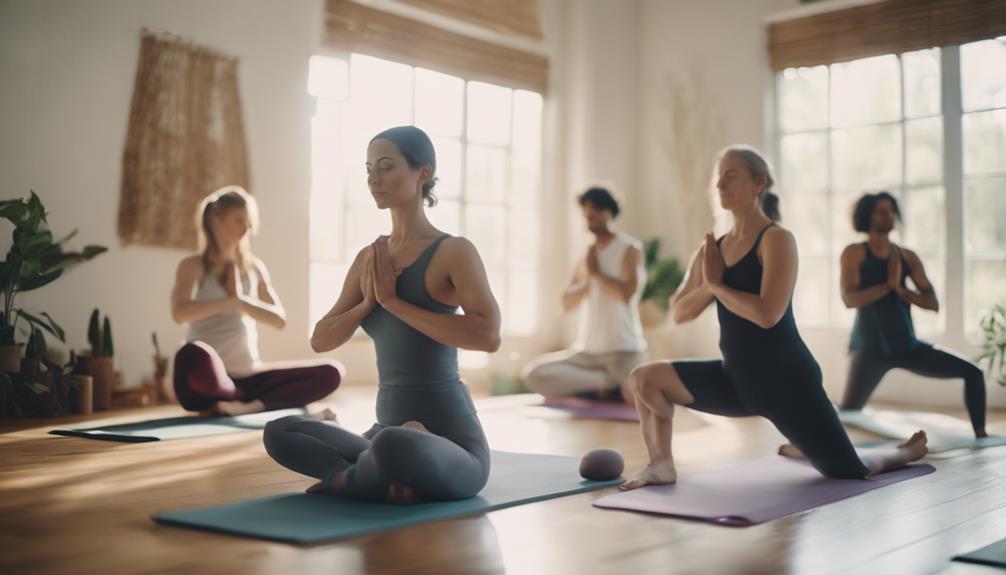
Travis Eliot is known for teaching structured, dynamic yoga that can be adapted to different levels of experience. His classes are commonly associated with vinyasa-based movement, in which the breath helps establish a rhythm for transitioning between postures.
Several features help define this style:
- Breath-led movement: Breathing provides an anchor for attention and helps practitioners remain connected to the present moment.
- Clear alignment guidance: Instruction encourages awareness of posture, stability, and movement quality rather than rushing through a sequence.
- Progressive sequencing: Poses and transitions are often arranged so the body gradually prepares for greater demands.
- Balanced effort: Strength and challenge are paired with recovery, stillness, and attention to personal limits.
This balance is important. A dynamic class does not have to become a competition or a test of flexibility. The emphasis remains on practicing with awareness and making sensible adjustments when a posture or transition is not appropriate for the individual.
Travis Eliot power yoga and athletic practice
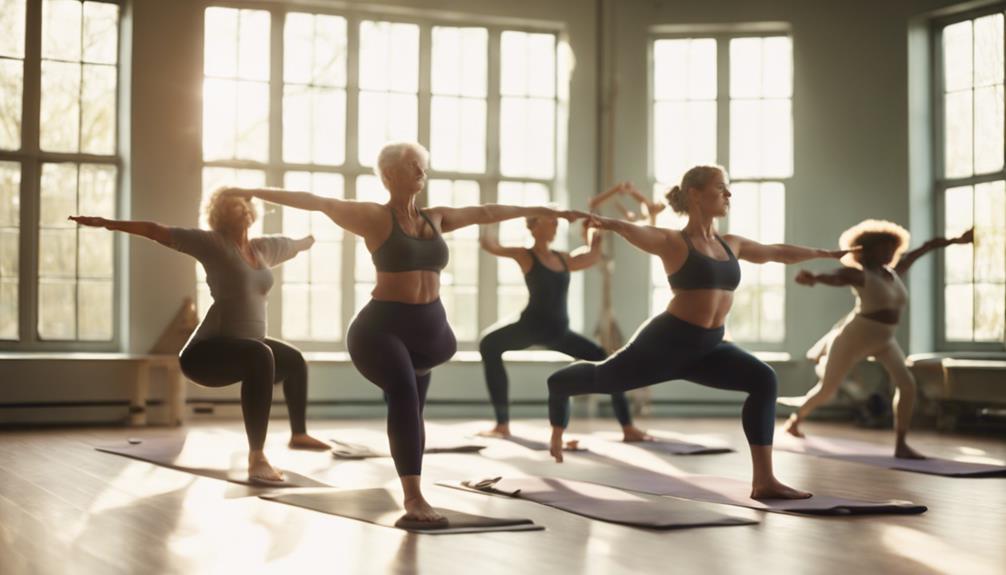
The phrase “Travis Eliot power yoga” generally refers to the more vigorous side of this teaching approach. These sessions may involve sustained flows, standing postures, core engagement, and transitions that require strength and coordination. They can provide a physically demanding practice while retaining the central role of breath and concentration.
Power-oriented yoga is best approached as a mindful training session rather than a race. Moving quickly is not the goal by itself. Practitioners can benefit more from maintaining steady breathing, controlled transitions, and sound alignment than from attempting advanced poses before they are ready.
How to approach a vigorous class
- Warm up gradually before demanding sequences.
- Use modifications or rest whenever breathing becomes strained or movement becomes uncontrolled.
- Keep the focus on stability and awareness instead of matching another student’s pace.
- Finish with enough quiet time to notice the effects of the practice.
Potential benefits for wellness and mindfulness
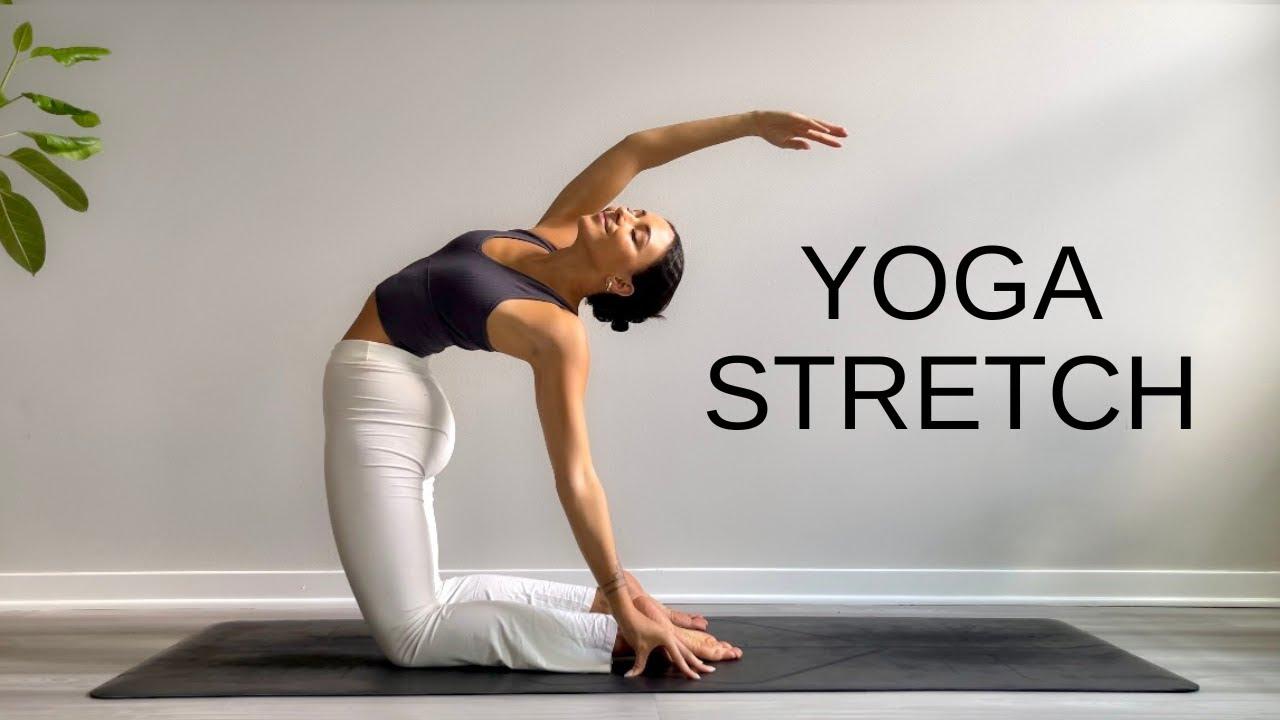
A regular practice built around flowing movement may support strength, mobility, balance, and body awareness. Linking movement to breathing can also give the mind a clear point of focus, which may make it easier to step away from distractions during the session. Travis Eliot’s calming yoga practices may also help readers explore movement techniques for managing panic symptoms.
The mindfulness element extends beyond sitting quietly. Practitioners are invited to notice sensations, recognize fatigue, and distinguish useful effort from unnecessary strain. Learning to respond rather than react can be valuable both on the mat and in ordinary routines.
These benefits are not automatic, and yoga is not a substitute for medical care. The experience will vary according to a person’s health, experience, consistency, and choice of class. A challenging practice should be modified when necessary, not treated as a measure of personal achievement.
Building a sustainable routine
Consistency is usually more helpful than choosing the most intense class available. Beginners may wish to start with shorter sessions that explain foundational postures and offer alternatives. As familiarity grows, longer or more energetic flows can be added without abandoning the basics of breath and alignment.
A practical routine might include:
- A few minutes of quiet breathing before movement begins.
- Gentle mobility work to prepare the joints and muscles.
- A sequence suited to the day’s energy and physical capacity.
- Resting postures or stillness at the end of practice.
- A brief reflection on how the body and mind feel afterward.
Adapting the practice to individual needs
There is no single correct level of intensity. Someone returning after a break may need a slower class, while an experienced practitioner may prefer a stronger sequence. Props, shorter holds, lower-impact transitions, and additional rest can all make a practice more accessible.
Anyone managing an injury, chronic condition, pregnancy, or significant physical limitation should seek appropriate professional guidance before adapting a demanding routine. A qualified yoga teacher may also help identify safer alternatives.
At its most useful, Travis Eliot yoga combines purposeful movement with attentive breathing. Whether approached through an accessible vinyasa class or a demanding power sequence, its central lesson is the same: strength and intensity are most valuable when they are guided by awareness.