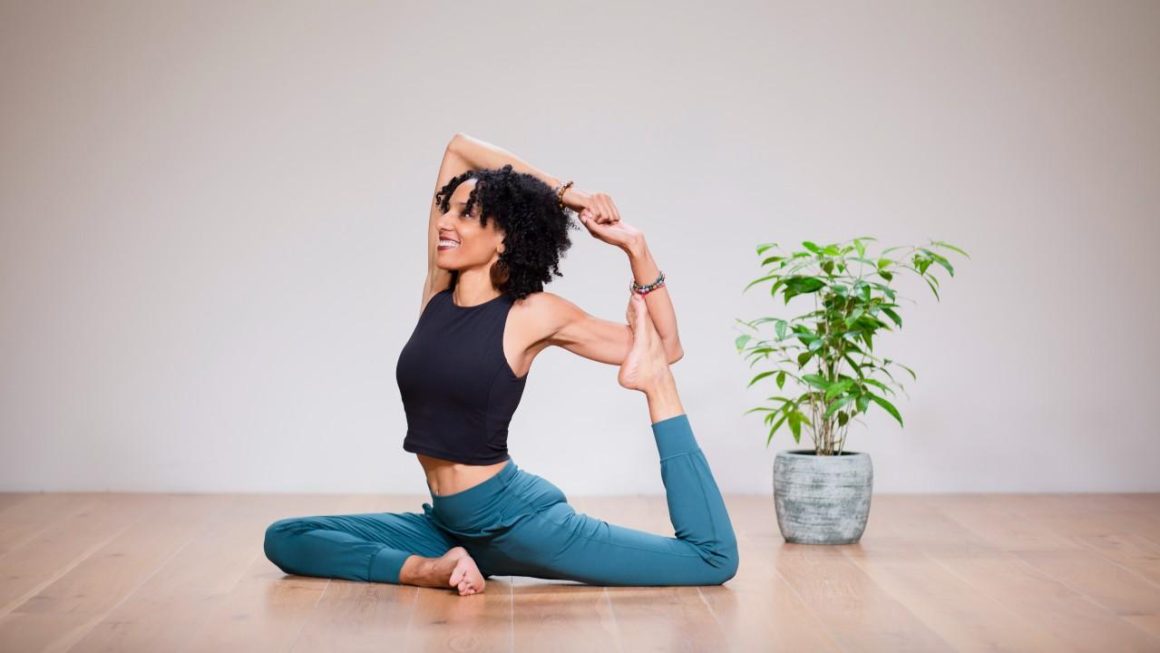
One-on-one yoga offers a more focused alternative to a group class. Instead of following a fixed sequence designed for several people, you work directly with a teacher who can adapt the pace, poses, breathing practices and overall structure to your needs. This can be useful if you are new to yoga, returning after a break, working with movement limitations or ready to refine an established practice. One-on-one instruction can help you explore yoga styles that align with your goals, flexibility, and preferred pace.
Private instruction is not limited to one particular yoga tradition. Its main advantage is the ability to make a style work more appropriately for the individual practitioner.
What makes private yoga different?
In a group class, a teacher must balance different experience levels, bodies and goals. In a private session, the entire class can be shaped around one person. The teacher has more opportunity to observe movement closely, answer questions and change the sequence as the session develops.
That personalised approach may help you:
- Learn foundational poses and breathing techniques with clear, repeated instruction
- Break down poses or transitions that feel confusing
- Adjust the pace and intensity to match your energy and experience
- Use props and modifications more effectively
- Develop a consistent home practice
- Explore meditation, breathwork or relaxation in a quieter setting
- Refine alignment and technique in more advanced poses
Private yoga does not guarantee quick results, but it can make practice more targeted. Progress still depends on factors such as consistency, rest, communication and the suitability of the plan.
How one-on-one teaching works with different styles
Vinyasa and dynamic practice
Vinyasa links movement with the breath. During a private class, the teacher can simplify transitions, repeat sections or build a more demanding sequence as your coordination and stamina develop. This makes it easier to concentrate on breath, control and safe movement rather than trying to keep up with a group.
Hatha and alignment-focused practice
A private Hatha or alignment-focused session can spend more time on the details of individual poses. The teacher may use verbal cues, demonstrations and props to help you understand positioning and find an appropriate variation. This can be especially helpful when a pose feels uncomfortable or difficult to interpret from a general class instruction.
Yin and restorative yoga
Yin and restorative practices involve longer holds and a strong emphasis on support and release. Individual instruction allows the arrangement of props, duration of holds and level of sensation to be adjusted more precisely. The session can also include more time for settling, breathing and relaxation.
More advanced or specialised practice
Students exploring traditions such as Ashtanga or Kundalini may use private lessons to understand technique, pacing and the structure of a practice. A teacher can introduce challenging material gradually and adapt it according to the student’s experience, comfort and stated goals. Those preferring individualized instruction can explore private heated sessions at a welcoming studio in Calabasas.
Online or in-person private yoga?
Both formats can provide individual attention, but they offer different experiences. In-person teaching allows the teacher to observe your movement from different angles and, where appropriate and agreed, provide hands-on adjustments. Online teaching removes travel, may offer greater scheduling flexibility and can connect you with a teacher outside your local area.
For an online session, prepare a quiet, uncluttered space and place the camera far enough away for the teacher to see your full body during standing and floor-based movements. Test the audio and video beforehand, and keep any available props nearby. Tell the teacher about injuries, relevant health concerns or movements you already know are unsuitable. Because online instruction does not provide physical contact, clear verbal communication is especially important.
Building a private yoga plan around your goals
Before your first session, consider what you want the practice to support. Your goal might be learning the basics, improving mobility, building strength, reducing stress, developing a home routine or preparing for a particular physical challenge. You do not need to have a perfectly defined objective; a good teacher can help turn a general intention into practical steps.
An instructor may ask about your previous experience, daily activities, movement preferences and any relevant limitations. From there, sessions might combine movement, breathing, relaxation and reflection. The plan can be reviewed over time rather than treated as a fixed programme. Frequency and session length can also be adjusted to fit your schedule and energy.
Choosing a teacher
Look for a teacher whose experience matches the type of support you want. If you are dealing with pregnancy, an injury, persistent pain, limited mobility or another specific concern, ask about the teacher’s relevant training and experience before booking. Yoga instruction is not a substitute for medical assessment or treatment, so seek appropriate professional advice when necessary and share useful guidance with your teacher.
It is also worth asking how the teacher structures an initial session, whether they offer online or in-person appointments, what equipment is needed and how cancellations or packages work. Communication matters as much as style. You should feel able to describe discomfort, ask questions and request a modification without pressure.
Is one-on-one yoga right for you?
Private yoga may suit anyone who values individual feedback or wants a practice built around a particular need. It can provide a supportive introduction for beginners and a detailed way for experienced students to revisit technique. The most useful sessions are collaborative: you bring honest information about your body and goals, while the teacher provides appropriate instruction, options and progression.