Diaphragmatic breathing is a simple way to make the diaphragm the primary driver of a calm, efficient breath. It is often called belly breathing or abdominal breathing because the abdomen and lower ribs gently expand as the diaphragm moves downward during inhalation. This pattern can be practised in yoga, meditation, before sleep, or whenever you want to bring more attention to your breathing. Diaphragmatic breathing complements mindful yoga practices by calming the nervous system and deepening present-moment awareness.
What is diaphragmatic breathing?
The diaphragm is a dome-shaped muscle below the lungs that separates the chest from the abdominal area. When you inhale, it contracts and moves downward, creating space for the lungs to expand. When you exhale, it relaxes and moves upward as air leaves the lungs.
Although the phrase “belly breathing” is useful, air does not enter the stomach. The visible movement comes from the diaphragm’s action, which gently changes pressure inside the torso. The lower ribs and abdomen may expand on an inhale, while the upper chest and shoulders remain relatively relaxed.
Belly breathing and chest breathing
Everyone uses the chest and diaphragm to some degree. The aim is not to keep the chest completely still or to force the abdomen outward. Instead, diaphragmatic breathing encourages a fuller, less strained pattern in which the diaphragm does most of the work.
Chest-dominant breathing is easy to notice when the upper chest, neck, or shoulders lift noticeably with each breath. It can occur during exercise, stress, or periods of tension. By contrast, a relaxed diaphragmatic breath usually feels quieter and more spacious, with movement through the lower ribs and abdomen.
- Chest-dominant breathing: movement is concentrated around the upper chest and shoulders.
- Diaphragmatic breathing: the abdomen and lower ribs expand gently during inhalation.
- Balanced breathing: the diaphragm leads while the chest remains free to participate naturally.
How to practise diaphragmatic breathing
Begin lying on your back with your knees bent, or sit upright with your spine supported. Choose a position that allows your abdomen and ribs to move without restriction.
- Place one hand on the centre of your chest and the other on your abdomen, just below the rib cage.
- Relax your jaw, shoulders, and stomach without pushing the abdomen outward.
- Inhale slowly through your nose. Notice the lower hand rise as the lower ribs widen gently.
- Allow the chest hand to remain comparatively quiet, while avoiding any effort to hold the chest still.
- Exhale comfortably through the nose or through softly pursed lips. Feel the abdomen and ribs settle.
- Repeat for five to ten smooth breaths, keeping the rhythm easy rather than deep or forceful.
At first, practise for a few minutes. Once the pattern feels familiar, use it while sitting, standing, walking slowly, or resting in a yoga pose. The goal is a steady, comfortable breath—not the largest breath possible.
Exercises for breath control
Lengthened exhalation
After establishing a relaxed diaphragmatic pattern, let the exhalation last slightly longer than the inhalation. For example, inhale gently for a count of four and exhale for a count of six. Keep both counts comfortable and avoid breath holding. This exercise is useful during relaxation or at the end of a yoga session. Diaphragmatic breathing can complement calming breathing exercises that may help ease occasional heart palpitations.
Supported breathing
Lie down with one hand on the abdomen and one on the side of the ribs. Notice whether the breath expands the lower ribs in several directions rather than moving only forward. This awareness can help you reduce unnecessary tension and improve control without forcing the movement.
Breathing with gentle vocalisation
A soft hum or quiet spoken phrase during an extended exhalation can draw attention to the steady release of air. Keep the sound relaxed and stop if the throat feels strained. This is an optional way to explore controlled exhalation, not a test of how long you can breathe out.
Using diaphragmatic breathing in yoga and daily life
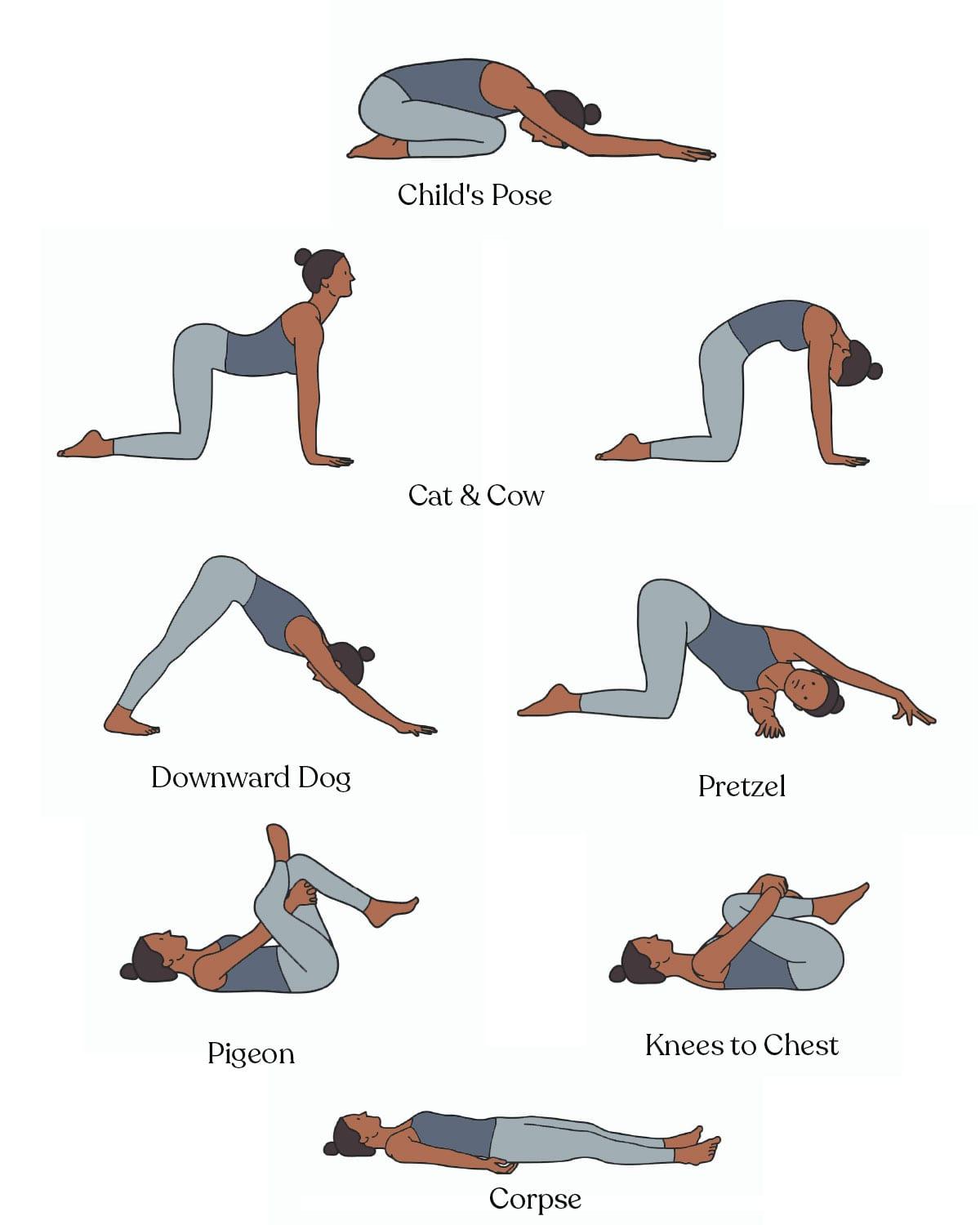
Diaphragmatic breathing pairs naturally with restorative yoga, meditation, mindful movement, and gentle postures. Before beginning, take a few breaths to notice your natural rhythm. During practice, let the breath remain smooth and avoid turning every movement into a deliberate “deep breath.”
Short, regular sessions are often easier to maintain than occasional long practices. Try five minutes:
- after waking, to establish a calm starting point;
- before sleep, while lying comfortably;
- before meditation or a restorative yoga sequence;
- during a stressful moment, after first softening the shoulders and jaw.
Common mistakes and safety reminders
Do not force the abdomen outward, pull in the stomach tightly, or take repeated maximum breaths. These habits can create tension and may make you feel light-headed. If you become dizzy, uncomfortable, short of breath, or experience pain, return to normal breathing and stop the exercise. Anyone with a respiratory or other medical condition should seek individual guidance from a qualified healthcare professional.
With patient practice, diaphragmatic breathing can become a more familiar part of everyday breathing. Its value comes from ease, awareness, and consistency: allow the diaphragm to lead, let the chest participate naturally, and use the breath to support relaxed movement and focused attention.