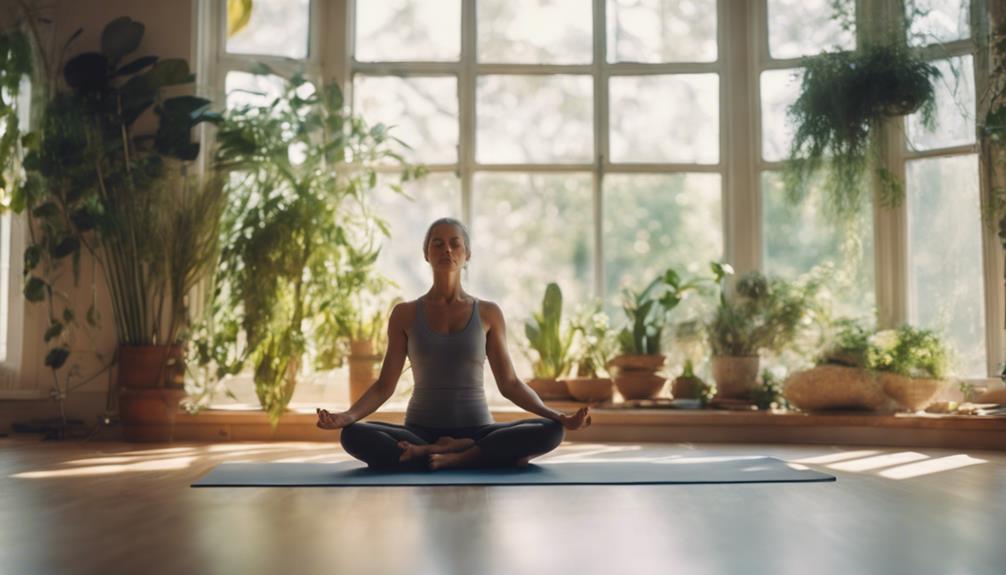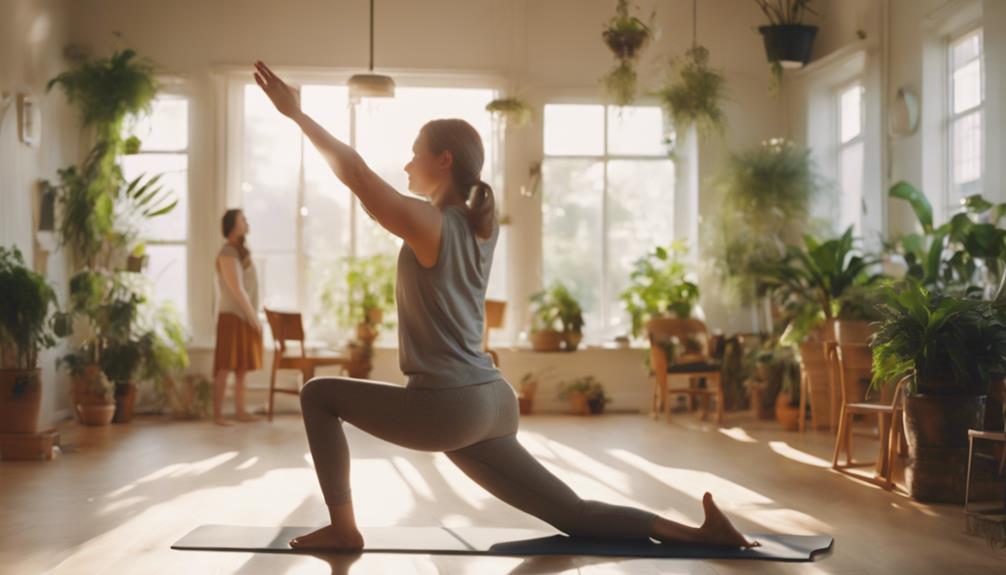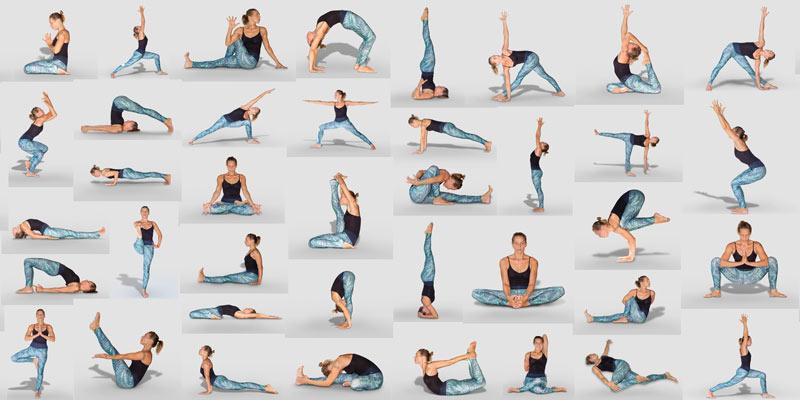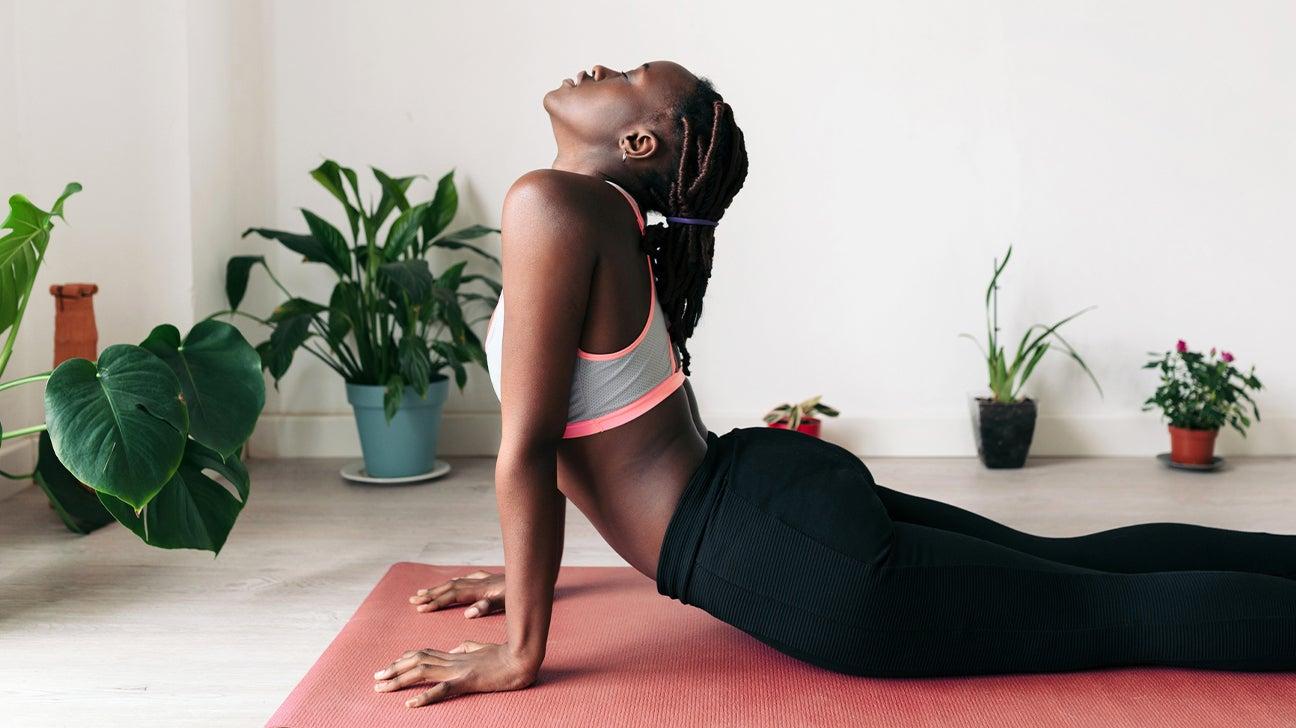
Hot yoga offers a vigorous practice that combines movement, breathwork, strength, and flexibility in a heated room. For people exploring hot yoga in Calabasas, CA, the most important first step is understanding that “hot yoga” can describe several different class formats. Some classes follow a consistent sequence, while others use flowing movement, athletic conditioning, or slower recovery-focused poses. After discovering hot yoga in Calabasas, compare yoga styles to find a practice matching your goals and fitness level.
Choosing the right format, preparing for the heat, and knowing when to modify a pose can make the experience more comfortable and sustainable. This guide explains the main types of heated yoga, what to expect, and how to compare options in Calabasas and nearby Woodland Hills.
What makes hot yoga different?
Heated rooms warm the muscles and create an environment that can make movement feel more demanding. Many practitioners enjoy the combination of physical effort and concentrated breathing, while others appreciate the opportunity to focus without the distractions of everyday life.
The heat does not make every pose automatically safer or more effective, however. Warm muscles may feel more flexible, but stretching too aggressively can still cause injury. The goal should be controlled movement and body awareness—not reaching the deepest possible position.
Common hot yoga class styles
Studios may use different names for their heated offerings, so read the class description carefully or ask the instructor what to expect. Common formats include:
- Structured sequence classes: These follow a set series of postures, allowing students to become familiar with the order and focus on gradual improvement, alignment, and steady breathing.
- Heated Vinyasa: These classes link poses with the breath and often move at a quicker pace. Sequences may vary from one class to another, making them appealing to students who enjoy variety and a stronger cardiovascular challenge.
- Heated power yoga: This athletic format may emphasize strength, balance, core work, and continuous movement. It is generally better suited to students who are comfortable with basic yoga poses.
- Heated yin or restorative practice: These slower classes use longer holds, supported positions, and relaxation. They can provide a contrast to more demanding heated flows, although the room may still feel intense for anyone sensitive to temperature.
How to prepare for your first class
Good preparation can reduce discomfort during and after a heated session. Drink water consistently before class rather than waiting until you feel thirsty. Avoid arriving immediately after a heavy meal; a light meal or snack taken well before practice may be more comfortable. Excessive caffeine and alcohol can also make hydration more difficult.
Wear breathable clothing that allows unrestricted movement. Bring a water bottle, towel, and a yoga mat with reliable traction. Some studios may provide equipment, but checking requirements before arrival prevents surprises. Plan to arrive early enough to ask questions, settle into the room, and tell the instructor about injuries or other concerns.
If you are new to yoga or to heated exercise, consider beginning with a foundational or beginner-friendly class. A slower class gives you more time to learn alignment and understand how your body responds to the temperature before trying a faster flow. Those seeking broader Los Angeles classes can explore studios offering similar heated sessions beyond Calabasas.
Listening to your body during practice
Heat can make it easy to underestimate fatigue. Take breaks whenever necessary, including resting in a comfortable seated position or in child’s pose. Dizziness, nausea, unusual weakness, confusion, or a headache are signs to stop, cool down, and seek assistance from the instructor or studio staff.
Discomfort from effort is different from sharp, pinching, or sudden pain. Do not force a pose because the room is warm or because other students appear to be moving further. Use modifications, reduce the range of motion, or leave a pose early when needed.
Anyone with a condition affected by heat or strenuous exercise—including certain cardiovascular concerns or heat sensitivity—should speak with a qualified healthcare professional before beginning. People who are pregnant should also obtain appropriate medical guidance and choose instruction designed for their needs.
Comparing Calabasas and Woodland Hills options
When comparing hot yoga in Calabasas with classes in nearby Woodland Hills, look beyond the studio’s name or the temperature listed in the schedule. Consider the teaching style, class pace, room environment, available modifications, and whether the class is appropriate for your experience level.
- Does the description identify the class as beginner-friendly, athletic, restorative, or sequence-based?
- How does the instructor explain alignment and offer alternatives?
- Is the class size comfortable for receiving guidance?
- What equipment should you bring, and how long is the session?
- Does the schedule include nonheated classes for recovery and variety?
Trying more than one format can help you identify whether you prefer a predictable sequence, a creative flow, or a slower practice. The best choice is the one that matches your goals and that you can attend consistently without feeling pressured to ignore your body’s limits.
Building a balanced yoga routine
Hot yoga can be one part of a broader practice rather than the only form of movement you do. Alternating heated sessions with nonheated Hatha, alignment-focused, restorative, or gentle classes may provide more variety and recovery. Rest days, mindful cool-downs, and steady breathwork are also important for maintaining a long-term routine.
Whether your goal is greater flexibility, improved strength, stress relief, or simply trying a new style, approach hot yoga progressively. Choose a suitable class, hydrate regularly, rest when needed, and treat consistency and body awareness as more important than intensity.