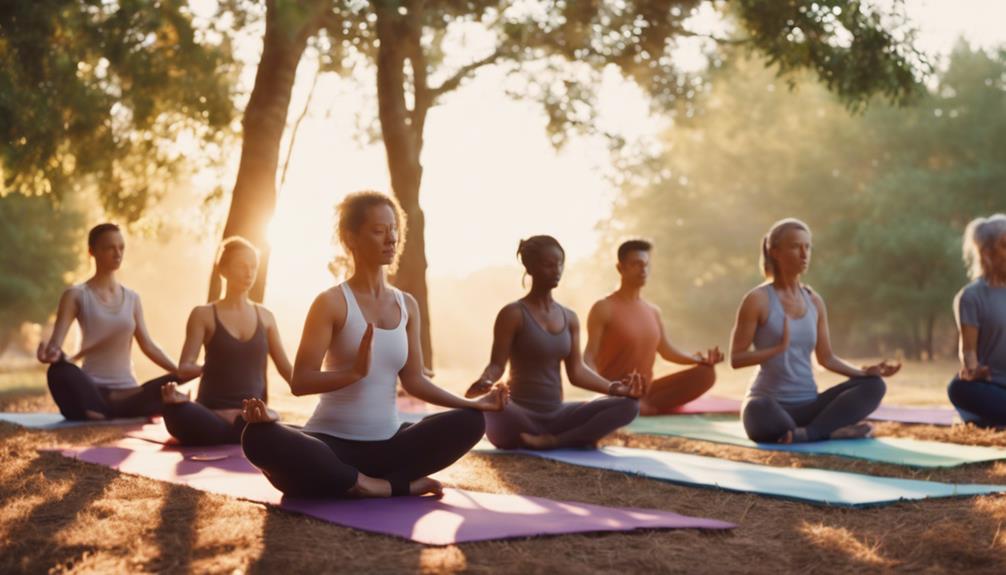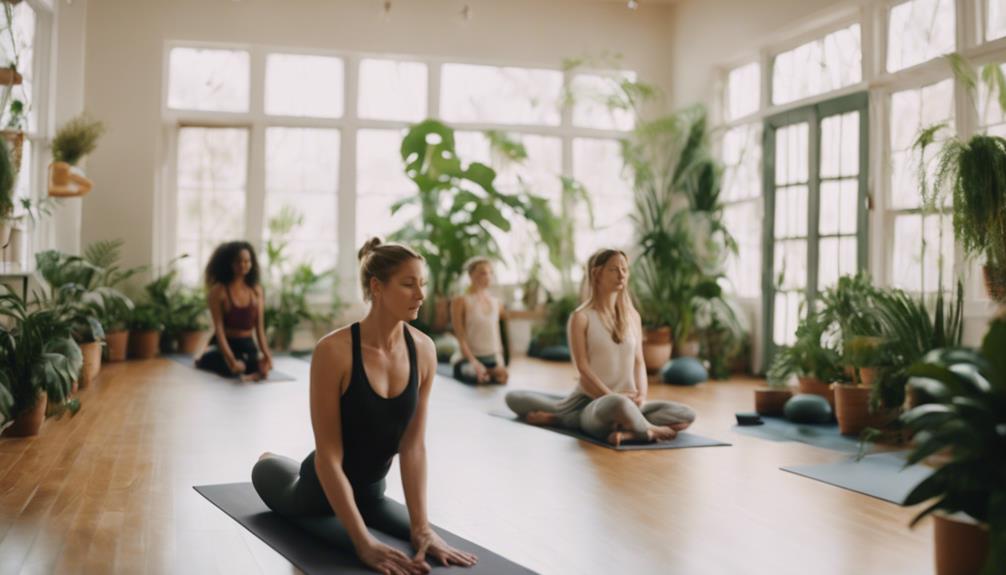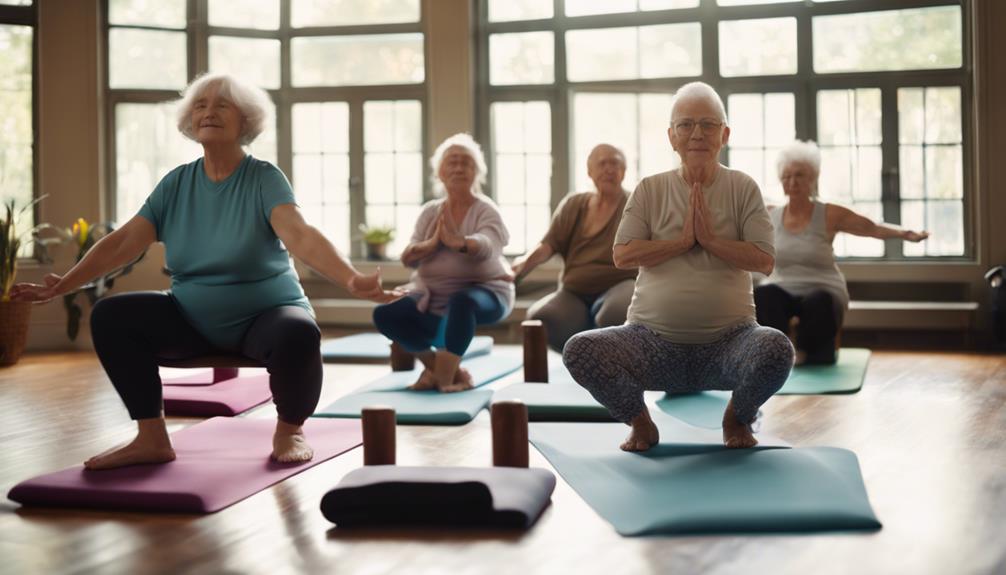
Yin yoga classes online offer a convenient way to build a slower, more reflective practice at home. Instead of moving quickly from one posture to another, yin yoga emphasizes stillness, relaxed effort, mindful breathing and longer-held poses. This makes it a useful complement to more active forms of yoga, while also appealing to anyone looking for time to slow down and pay attention to physical sensations.
What is yin yoga?
Yin yoga is a gentle, passive style in which postures are generally held for several minutes. The practice commonly focuses on areas such as the hips, pelvis, spine and shoulders. Rather than trying to force a stretch or achieve a particular shape, students are encouraged to find an appropriate level of sensation, settle into the posture and observe how the body responds.
Yin is often associated with Taoist philosophy and the balance between active and receptive qualities. Its quiet pace can create space for meditation, breath awareness and self-reflection. Although the poses may look simple, remaining still and responding patiently to changing sensations can make the practice surprisingly demanding.
Why choose online yin yoga classes?
Online classes make it easier to practice at a time and pace that suit your routine. You can choose a short session when you have limited time, or settle into a longer class when you want a more unhurried experience. On-demand classes also allow you to repeat familiar sequences, while live sessions may provide a stronger sense of connection and scheduled commitment.
Another advantage is the variety of instruction available. Different teachers may approach yin through anatomy, meditation, traditional philosophy, breathwork or simple physical exploration. Trying several classes can help you discover which explanations, voices and class structures make the practice feel clear and comfortable.
Potential benefits of regular yin practice include greater awareness of joint movement, improved tolerance for stillness and a sense of physical and mental relaxation. Experiences vary from person to person, and yin should be viewed as a gradual practice rather than a quick way to produce dramatic flexibility changes.
How to choose the best yin yoga class online
The right class depends on your experience, available time and reason for practicing. Before choosing a course or teacher, consider the following:
- Level of instruction: Beginners may prefer teachers who explain basic postures, transitions, breathing and the purpose of props.
- Class length: Short practices are useful for building consistency, while longer sessions allow more time for settling and reflection.
- Teaching approach: Look for language that offers choices rather than insisting that every student create the same shape.
- Structure: A progressive series can be helpful if you want a clear learning path instead of selecting unrelated classes.
- Format: Live classes may include interaction, while recorded classes provide maximum scheduling flexibility.
- Accessibility: Captions, clear audio, demonstrations and verbal descriptions can make online instruction easier to follow.
A sample class or trial option can help you evaluate whether the teacher gives enough time for setup and explains useful alternatives. Since online teachers cannot observe every student closely, clear self-practice guidance is especially important.
Setting up for yin yoga at home
You do not need a large studio or extensive equipment. Choose a quiet, comfortably warm area where you can remain undisturbed. A yoga mat can provide traction, while a folded blanket, cushions, blocks or a firm bolster can support the body in longer-held positions. Ordinary household items can often provide gentle support, provided they are stable and comfortable.
Place your device where you can hear the teacher without repeatedly turning your head. If you are unfamiliar with a posture, watch the demonstration before settling into it. During the hold, reduce the need to look at the screen by relying on the teacher’s verbal instructions when possible.
Practicing safely
Yin yoga should create a manageable sensation, not sharp, electric, pinching or alarming pain. Use props to reduce intensity, change position or come out of the pose whenever needed. Avoid treating longer holds or deeper sensations as proof of progress. The body can feel different from one day to the next, so the same posture may need a different variation each time you practice.
Online classes cannot replace individualized assessment. If you have an injury, significant pain, a medical condition or questions about whether a posture is appropriate for you, seek guidance from a qualified healthcare professional or suitably trained instructor. Stop the practice if a sensation feels unsafe or continues after changing position.
Making yin part of your routine
Consistency matters more than intensity. You might begin with one or two online sessions each week, choosing a length that feels realistic rather than ambitious. Yin can sit alongside active practices such as vinyasa, power yoga or other forms of exercise, or it can stand alone as a quiet movement and meditation practice.
After class, allow a few minutes for rest or gentle movement before returning to the rest of your day. Over time, notice which class lengths, times of day and teaching styles help you practice regularly. With patient attention and appropriate modifications, online yin yoga can become a sustainable way to explore mobility, relaxation and stillness from home.