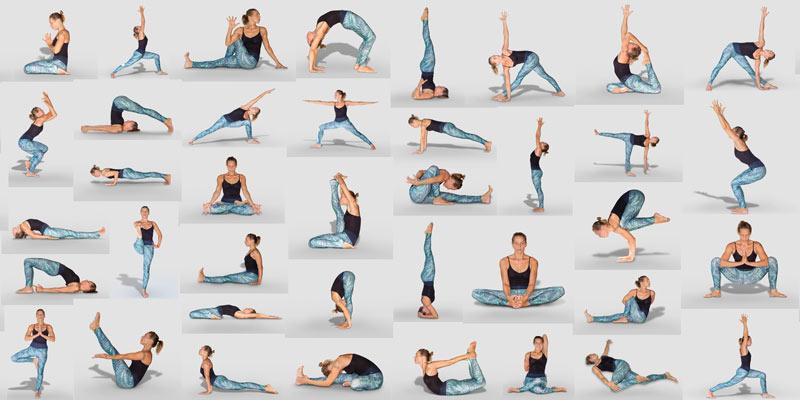

Hot yoga offers a focused, physically demanding way to practice in a heated studio. For Stamford, CT residents, it can be an appealing option when the goal is to improve mobility, build strength, move through flowing sequences, or create dedicated time for stress relief. The phrase “hot yoga” covers several class formats, so understanding the differences can help you select a session that matches your experience level and fitness goals. After discovering hot yoga in Stamford, explore yoga styles that match your goals, experience level, and preferred intensity.
What is hot yoga?
Hot yoga is practiced in a deliberately heated room, often with temperatures ranging from approximately 90 to 105 degrees Fahrenheit. Heat may help muscles feel more relaxed and can make movement feel fluid, but it also increases the physical demands of class. Sweating more does not automatically mean you are practicing more effectively, and a deeper stretch is not always a better stretch. Good instruction, controlled breathing, and proper alignment remain central to a safe practice.
Classes vary considerably. Some follow a consistent sequence, while others change from one session to the next. Before booking, check the class description and ask the studio about the room temperature, pace, expected experience level, and available modifications.
Hot yoga styles you may find in Stamford
Heated vinyasa
Hot vinyasa classes link postures with breath in a continuous flow. The sequence may include standing poses, balance work, core exercises, and transitions that vary by instructor. These classes can be suitable for students who enjoy variety and want a combination of mobility, coordination, and conditioning.
Bikram-style practice
Bikram-style yoga is associated with a fixed sequence of 26 postures and two breathing exercises performed in a heated room. Because the sequence is consistent, students can become familiar with the structure and observe changes in their practice over time. Studios may use different names or formats, so confirm exactly what a class includes rather than relying on the label alone.
Hot power yoga
Power-oriented classes generally place greater emphasis on strength, endurance, balance, and faster transitions. Stamford students searching for CT power yoga may be looking for a more athletic session that includes challenging standing work, core exercises, and sustained effort. These classes can be rewarding, but they may not be the best starting point for someone who is entirely new to yoga or unaccustomed to exercising in heat.
Potential benefits and important considerations
A consistent yoga practice can support flexibility, body awareness, balance, strength, and relaxation. The heated environment may help some students feel less stiff as they begin moving. Many people also value the concentration required to coordinate breath and movement in a warm room. If you enjoy hot yoga in Stamford, live Zoom sessions offer a convenient way to maintain your practice from home.
Heat adds stress to the body, however, and it should not be treated as a test of endurance. Drink water before class and replace fluids afterward. During practice, slow down or rest if you feel dizzy, nauseated, unusually weak, confused, or short of breath. Leave the room and seek assistance if symptoms do not improve. Anyone who is pregnant or has a medical condition—particularly a heart, blood pressure, or heat-related condition—should ask a healthcare professional whether heated exercise is appropriate.
How to prepare for your first class
- Choose a beginner, foundations, or slower-flow class if you are new to yoga or heated exercise.
- Drink fluids throughout the day rather than arriving dehydrated.
- Eat a light meal with enough time to digest; avoid arriving immediately after a heavy meal.
- Wear comfortable, breathable clothing that allows unrestricted movement.
- Bring a yoga mat, water bottle, and towel. A second towel may be useful for a particularly vigorous class.
- Tell the instructor that you are new and take breaks whenever necessary.
Try not to compare your performance with other students. Heat can make a familiar pose feel much more difficult, and the safest approach is to work within a manageable range rather than forcing flexibility.
Choosing a Stamford hot yoga studio
When comparing studios, look beyond the class name. Review the schedule and descriptions to find a format that fits your goals. Ask whether instructors demonstrate modifications, how the room is ventilated, what equipment is provided, and what policies apply to towels, mats, late arrivals, and cancellations.
Cleanliness and comfort matter in a heated setting. If possible, visit before signing up for a package and notice whether the space feels orderly and well maintained. A supportive studio should make room for different abilities rather than treating intensity as the only measure of progress.
Building a balanced practice
Beginners may prefer to start with one or two heated classes per week and allow time for recovery between demanding sessions. Combine hot power or vigorous vinyasa classes with non-heated yoga, mobility work, strength training, walking, or rest days. A varied routine can help you develop strength and flexibility without making every workout maximally intense.
Whether you are interested in a structured sequence, heated vinyasa, or CT power yoga, Stamford offers a range of ways to explore hot practice. Begin at an appropriate level, pay attention to hydration and warning signs, and choose instruction that encourages steady progress over competition.