Finding the right yoga class is less about choosing the most advanced style and more about matching your practice to your goals, schedule, and comfort level. In Newton, people looking for yoga can explore a broad range of approaches, from quiet restorative sessions to physically demanding flows. Understanding the differences between these formats makes it easier to choose a class that feels both useful and sustainable.
Yoga styles to explore in Newton
Yoga classes can vary considerably in pace, intensity, and teaching emphasis. If you are new to practice, consider attending more than one style before deciding what suits you best.
- Hatha yoga: A measured approach that often focuses on foundational postures, breath awareness, and alignment. It can be a practical starting point for beginners or anyone who prefers a slower pace.
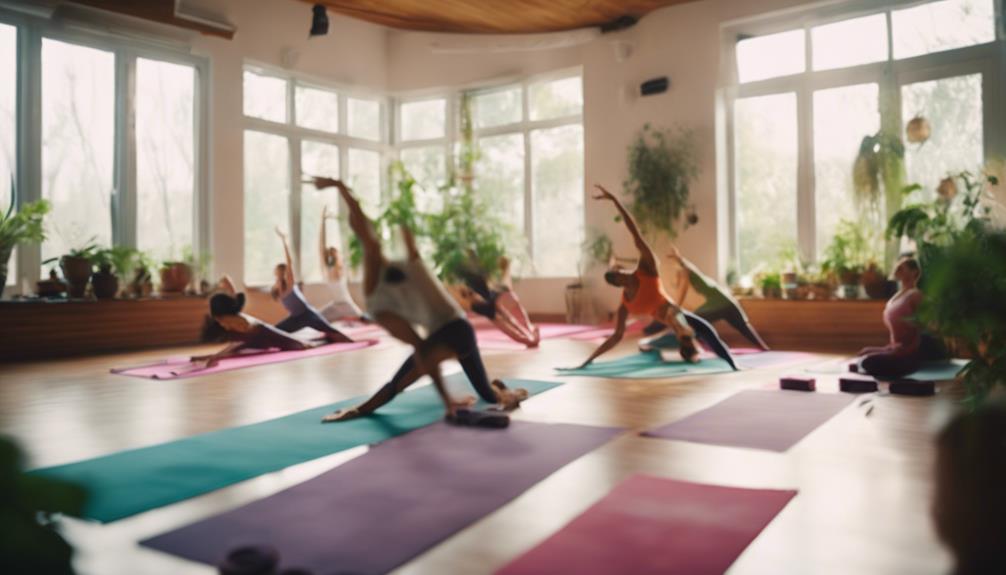
- Vinyasa yoga: Movement is coordinated with the breath, creating a flowing sequence. Classes may range from gentle to physically challenging, so read the description carefully.
- Restorative yoga: Supported poses are held for longer periods with an emphasis on relaxation. This format may appeal to people seeking a calming practice rather than an intense workout.
- Yin yoga: Poses are generally held passively for extended periods. The slower structure can complement more active exercise and give students time to focus on stillness and body awareness.
- Power or heated yoga: These classes typically offer a more vigorous experience and may be physically demanding. Anyone trying one for the first time should pay attention to hydration, pacing, and personal limits.
- Alignment-focused yoga: Detailed instruction and props may be used to help students explore posture with greater stability and precision.
Choosing a class based on your goals
Your reason for practicing can help narrow the options. A restorative, gentle, or slower-paced class may be a better fit if your priority is relaxation, stress management, or creating a quiet transition after a busy day. If you want a stronger physical challenge, look for a Vinyasa, power, or appropriately labeled intermediate class.
People managing pain, recovering from an injury, or living with specific physical limitations should look for instructors who clearly explain modifications and have relevant experience. Yoga should not be used to push through sharp pain. If you have a medical concern, discuss whether yoga is appropriate with a qualified healthcare professional and let the instructor know about limitations before class.
Understanding levels and class formats
Beginner classes generally introduce basic postures, breathing techniques, transitions, and studio etiquette. They may move more slowly and provide additional demonstrations. All-level classes can also work well for newcomers when the teacher offers modifications, but the phrase “all levels” does not always mean every class will be equally accessible.
Intermediate and advanced sessions may move faster or include more demanding postures. Specialty formats, such as prenatal, chair, or senior yoga, are designed around particular needs and may be more suitable than a general class for some students. Before booking, check the description for pace, prerequisites, temperature, equipment, and whether you need to bring a mat or other supplies.
Evaluating a Newton yoga studio or teacher
Location and timetable matter, but they are only part of the decision. Look for clear class descriptions, instructor biographies, and a teaching approach that matches your preferences. A welcoming class should make room for questions, options, and different levels of mobility rather than treating one version of a pose as correct for everyone.
If possible, begin with a single class, introductory pass, or drop-in rather than committing immediately to a long package. Notice whether the teacher explains how to modify poses, whether props are available, and whether physical adjustments are communicated respectfully. Class size and studio atmosphere can also affect your experience, especially if you prefer individual attention or a quieter environment.
Reviews and personal recommendations can help you create a shortlist, but your own response to a class is the most useful measure. A highly rated studio is not necessarily the right fit if the pace, philosophy, or environment leaves you uncomfortable.
Making yoga part of everyday life
Consistency is usually easier when practice fits naturally into your routine. One or two scheduled classes can be combined with short sessions at home: a few minutes of breathing, gentle stretching, or relaxation may be more realistic than waiting for a large block of free time.
You can also vary your practice according to the day. An active flow may suit a morning when you want movement, while a slower or restorative session may be appropriate after a demanding day. Start with manageable commitments, listen to your body, and adjust as your needs change.
Whether you are searching for yoga in Newton or simply exploring different styles, approach the process with curiosity. Try classes at different levels, ask questions, and choose teachers who emphasize safety, clear instruction, and respect for individual differences. The best practice is one you can return to regularly and enjoy over time.