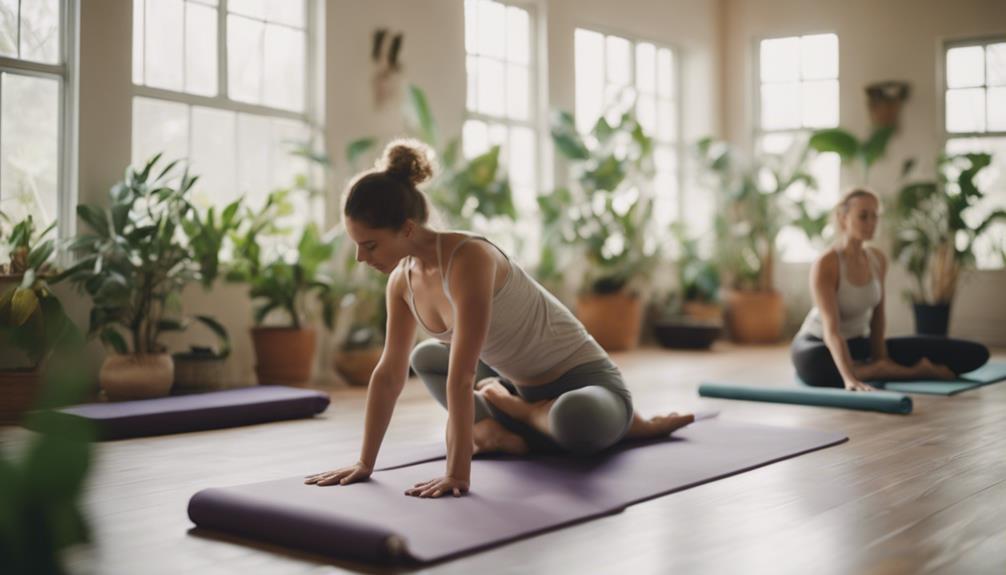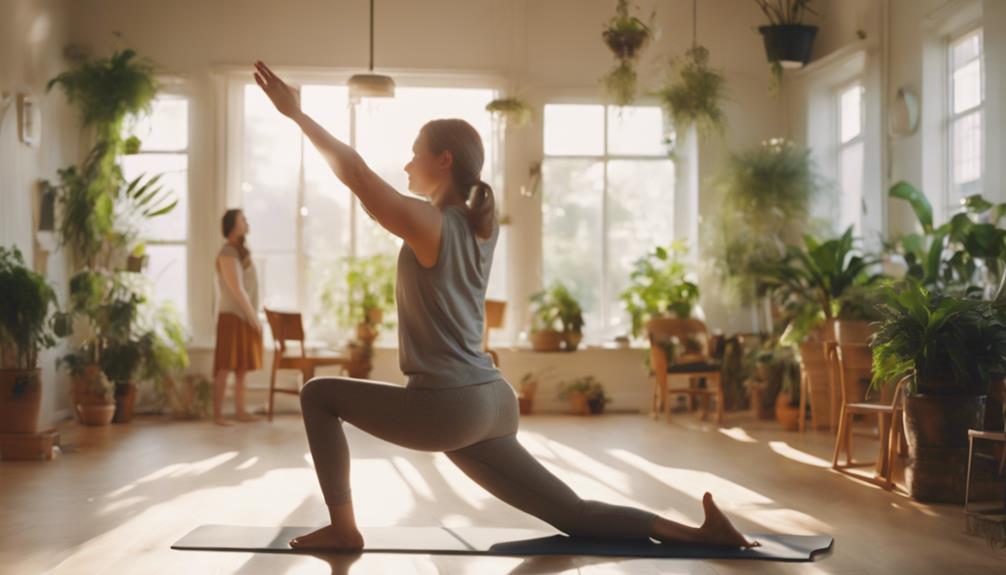
The Yoga With Adriene arms and abs practice is designed for people who want a concentrated session for the upper body and core without committing to a long workout. Guided movement, breath awareness, and alignment cues make the routine feel like yoga while its plank work, transitions, and abdominal exercises add a clear strength-building element.
What the practice focuses on
This type of session targets the arms, shoulders, abdominal muscles, and the stabilizing muscles that help support the spine and pelvis. Rather than treating each movement as a rushed repetition, the practice encourages controlled transitions and steady breathing.
Depending on the sequence, you may encounter movements such as:
- Plank variations that challenge the shoulders, arms, and trunk
- Chaturanga-style lowering or transition work
- Boat pose and other seated core exercises
- Weight-bearing postures that require balance and whole-body control
- Breath-led movement intended to keep the practice focused and deliberate
The aim is not simply to hold a demanding pose for as long as possible. Good form, consistent breathing, and the ability to adjust the movement are more useful than forcing intensity.
How it fits into a yoga practice
The session combines features associated with several yoga approaches. Its flowing, breath-synchronized movements resemble vinyasa practice, while attention to positioning reflects hatha-based alignment principles. The strength emphasis may also appeal to people who enjoy more athletic or power-oriented yoga.
At the same time, this is not only an upper-body workout. Yoga’s emphasis on awareness changes how the exercises are performed. Practitioners are encouraged to notice tension, maintain a steady breath, and move within a manageable range rather than treating discomfort as a measure of success.
Potential benefits
A consistent, well-modified practice can help develop strength endurance in the arms and shoulders while improving awareness of how the trunk supports movement. Core-focused work may also encourage better control during transitions, balancing postures, and everyday activities that require lifting, reaching, or maintaining an upright position.
The short, targeted format can make the session easy to add to a broader routine. It may serve as a standalone practice when time is limited or as a strength-focused complement to slower mobility, restorative, or flexibility work. As with any exercise routine, results depend on regular practice, appropriate progression, and adequate recovery.
Modifications for comfort and control
There is no requirement to perform every movement at its most difficult variation. Adjusting the practice can make it more sustainable and may help you maintain better alignment.
- For wrist discomfort: try practicing on fists, raising the hands onto a stable support, or choosing forearm-based variations when appropriate.
- For developing core strength: shorten plank holds, reduce repetitions, or lower the knees while keeping the torso controlled.
- For shoulder fatigue: take additional rest, reduce the depth of lowering movements, and avoid allowing the shoulders to collapse toward the floor.
- For seated core work: keep the spine in a position you can control, bend the knees, or place the feet down instead of trying to hold a more advanced shape.
- With props: a block, strap, or stable incline can provide support and make positioning easier to understand.
Sharp pain, numbness, or pain that continues after the movement is a reason to stop rather than push through. Anyone managing an injury or returning to exercise after treatment should seek appropriate professional guidance and use only variations that have been cleared for them.
How to schedule the session
Because the practice is concentrated, it can fit well two or three times per week when the body is recovering comfortably between sessions. You might alternate it with gentler yoga, mobility work, or rest days rather than training the same muscles intensely every day.
A simple structure can help:
- Begin with a few minutes of shoulder movement, spinal mobility, and easy breath-led motion.
- Complete the focused arms-and-abs sequence, taking modifications whenever form begins to deteriorate.
- Finish with gentle stretches or quiet breathing to release unnecessary tension.
Consistency matters more than making every session long or strenuous. On a day when the shoulders, wrists, or lower back feel tired, reduce the intensity or choose a recovery-focused practice instead. Used this way, Yoga With Adriene arms and abs can provide a practical, adaptable way to add upper-body and core strengthening to a balanced yoga routine.