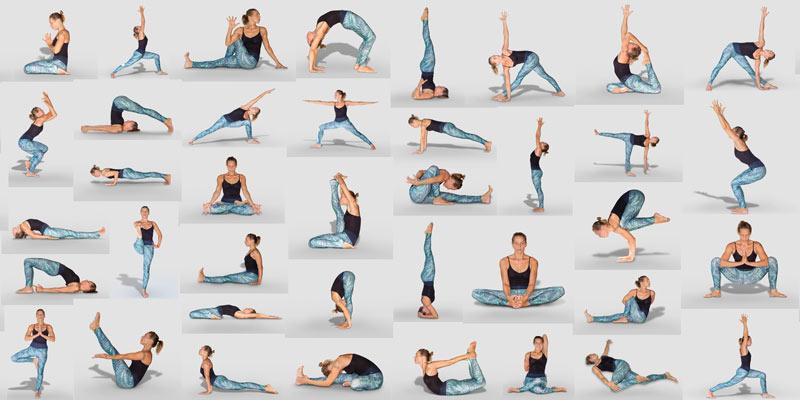
Yoga offers many different approaches, and the best choice depends on what you want from your practice. Some classes are energetic and physically demanding, while others focus on stillness, mobility, alignment, or recovery. Learning how the main styles differ can help you choose classes that suit your experience, goals, schedule, and preferred learning environment.
Why yoga style matters
Although many classes share familiar postures and breathing techniques, the pace, structure, and emphasis can vary considerably. A dynamic class may help you build heat, coordination, and stamina. A slower class may give you more time to explore alignment, release tension, or settle your attention.
Choosing a style is not about finding the one “correct” form of yoga. It is about finding an approach that feels appropriate for your body and supports the reason you are practicing. Your choice may also change over time. You might prefer a stronger class during one period and a restorative practice when you need more recovery.
Common yoga styles explained
Hatha yoga
Hatha classes often move at a measured pace and may include foundational postures, alignment instruction, and breathwork. Because students usually have time to understand each position, this style can be a useful starting point for beginners or anyone returning to yoga after a break.
Vinyasa yoga
Vinyasa connects movement with breath, often through flowing sequences. The order of postures can vary from one teacher or class to another. Students who enjoy variety, continuous movement, and a more active session may find Vinyasa appealing.
Ashtanga yoga
Ashtanga follows a set sequence of postures and places emphasis on repetition, discipline, and stamina. The consistent structure allows practitioners to become familiar with the sequence while gradually developing strength and focus.
Iyengar yoga
Iyengar places particular attention on precision, alignment, and the detailed teaching of postures. Props may be used to help students work safely and access positions in ways that suit their individual needs.
Yin and Restorative yoga
Yin classes generally involve longer-held postures and a slower, quieter experience. Restorative yoga is also gentle and supported, using props to encourage comfort and relaxation. These styles may suit people seeking a less vigorous practice, although students should still follow clear guidance and avoid forcing a stretch.
How to choose a class
Begin with your main reason for practicing. If you want flowing movement and a stronger physical challenge, consider Vinyasa or a class described as Power yoga. If you are interested in foundations, alignment, or learning at a steadier pace, Hatha or Iyengar may be a better fit. For relaxation, recovery, or a quieter practice, explore Yin or Restorative sessions.
Class descriptions can be helpful, but they do not tell the whole story. Before booking, consider:
- Whether the class is suitable for beginners or experienced students
- The pace, duration, and physical intensity
- Whether the teacher explains modifications and the use of props
- The teacher’s training and areas of experience
- Whether the class environment feels comfortable and supportive
Trying several styles is often more useful than making a decision based only on their names. Notice how you feel during and after each session. A class should provide an appropriate challenge without leaving you with persistent pain, excessive strain, or pressure to perform beyond your current ability.
Female-focused and women’s yoga classes
Some studios offer female yoga classes or women’s yoga class options for people who prefer a women-focused setting. Depending on the programme, these sessions may address pelvic floor awareness, pregnancy and postnatal considerations, or other topics connected with women’s health and different life stages.
If you are considering this type of class, ask how the sessions are structured and what experience the teacher has with the relevant needs. A women-focused class can offer a sense of community, but the most important factors remain safe instruction, suitable modifications, and an atmosphere in which participants feel respected.
Building a consistent routine
Regular practice is usually easier to maintain when it has a clear place in your week. Some people use a weekly anchor such as “Yoga Mondays,” while others prefer shorter sessions spread across several days. A routine might include one studio class, a brief home practice, and occasional restorative work when time or energy is limited.
Consistency does not require every session to be long or demanding. On busy weeks, a shorter practice can help you maintain the habit. Recorded classes, gentle mobility work, or a few minutes of breathing can also provide a practical bridge between in-person sessions.
Finding useful resources
Look for studios, teachers, books, courses, and online materials that describe levels clearly and place appropriate emphasis on safety. Resources covering anatomy, breathwork, yoga philosophy, or the history of specific traditions can deepen your understanding beyond the physical practice.
The most suitable yoga style is the one that matches your current goals, feels manageable in your body, and fits realistically into your life. Explore thoughtfully, ask questions, and allow your preferences to develop through experience rather than expecting one class to provide every benefit.