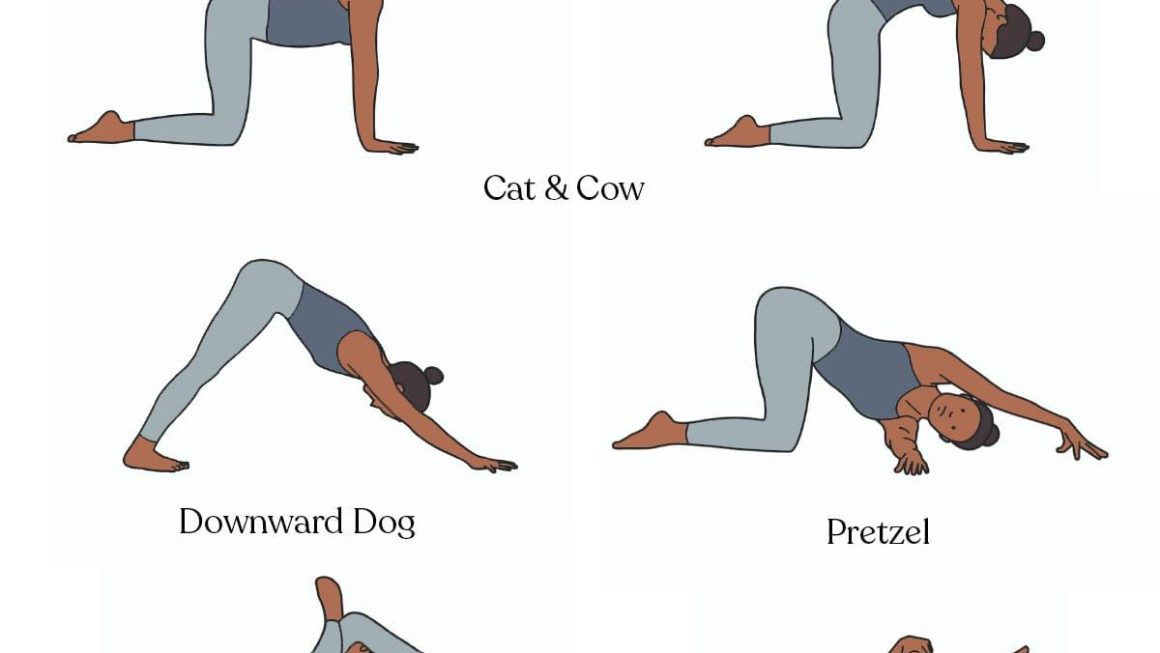

Practising yoga regularly does not have to mean paying premium studio prices. A discount gym may offer a practical alternative, especially if you want access to yoga classes alongside strength training, cardio equipment, or other fitness facilities. The key is to look beyond the monthly fee and compare the schedule, instructors, membership terms, and overall class experience. Members seeking affordable fitness options can compare nearby yoga classes through local listings before choosing a convenient studio.
Start with a focused local search
When searching for “yoga near me,” make a shortlist of gyms that clearly publish their group fitness schedules. Map listings, local directories, gym websites, and community reviews can help you identify affordable fitness clubs in convenient locations. A nearby gym is often more valuable than a cheaper facility that is difficult to reach, since convenience makes it easier to maintain a regular routine.
Before visiting, check whether the listed yoga classes are held consistently and whether the timetable suits your schedule. Look for details about class length, skill level, and style. Some gyms may use a broad “yoga” label for general stretching or mobility sessions, while others may offer classes with a more traditional focus. If the description is unclear, contact the gym and ask what a typical class includes.
Compare what the membership actually includes
Low-cost gyms can use different membership structures, so compare the full terms rather than relying on the advertised price. Yoga may be included in a standard fitness membership, limited to selected plans, or available for an additional fee. Some facilities also offer individual class payments, class packs, or short-term access.
Important questions to ask include:
- Are all group yoga classes included in the membership?
- Do classes require advance reservations?
- Are there separate fees for specialty sessions?
- Does the membership renew automatically?
- What are the cancellation and freeze policies?
- Are mats, blocks, straps, or other props provided?
A two-week gym membership, trial period, or single drop-in visit can be useful before making a longer commitment. Use the opportunity to read the agreement carefully and confirm whether the trial converts into a paid membership automatically.
Know the likely advantages and trade-offs
Discount gyms often keep prices manageable by simplifying their facilities and operating with larger class sizes. That can work well for people who want accessible, beginner-friendly sessions and a predictable place to practise. A gym membership may also provide more flexibility than a studio-only plan if you want to combine yoga with other forms of exercise.
Lower prices can also mean fewer specialised offerings. You may find a smaller selection of class styles, limited evening or weekend sessions, fewer props, or a shared room rather than a dedicated yoga studio. These factors are not automatically problems, but they should match your expectations. If you are looking for hot yoga, advanced workshops, or highly specialised instruction, compare the schedule and facilities carefully rather than assuming they are included. A discount gym can support wellness-focused workouts that strengthen everyday health and fitness habits.
Evaluate the class, not just the facility
Try to attend more than one session before choosing a long-term fitness membership. Different instructors and class times can create very different experiences. Notice whether the instructor explains movements clearly, offers modifications, and creates options for different ability levels. Mixed-level classes are common in budget gyms, so useful alternatives are important for both beginners and experienced participants.
Also consider the practical details of the room. Is it clean, adequately ventilated, and large enough for the number of participants? Can you hear the instructor? Is the pace appropriate for your goals? A basic facility can still offer an excellent class when teaching is clear and the environment is comfortable. Conversely, attractive equipment does not compensate for a schedule or teaching style that does not suit you.
Balance price with long-term value
The cheapest membership is not always the most affordable choice in practice. Calculate the likely cost per visit based on how often you expect to attend. If you plan to practise several times each week, an inclusive membership may cost less than paying for individual classes. If your schedule changes often, a flexible plan may be worth paying slightly more for.
Compare total costs, including enrollment charges, premium-class fees, equipment purchases, and cancellation penalties. Ask whether promotional pricing lasts for the full membership term or only the initial period. Recent reviews and recommendations from local groups can reveal recurring patterns about class consistency, cleanliness, and customer service, but consider several opinions rather than relying on one comment.
Make the trial period useful
During a trial or short membership, attend classes at different times and with different instructors. Keep notes on the schedule, atmosphere, teaching quality, and any extra costs. This gives you a clearer basis for deciding whether the gym supports a sustainable yoga habit.
With careful comparison, a discount gym can provide a cost-effective way to practise yoga near home while maintaining access to broader fitness facilities. Focus on the elements that matter most to you—quality instruction, convenient classes, transparent terms, and a welcoming environment—and choose the membership that offers genuine value rather than simply the lowest advertised price.