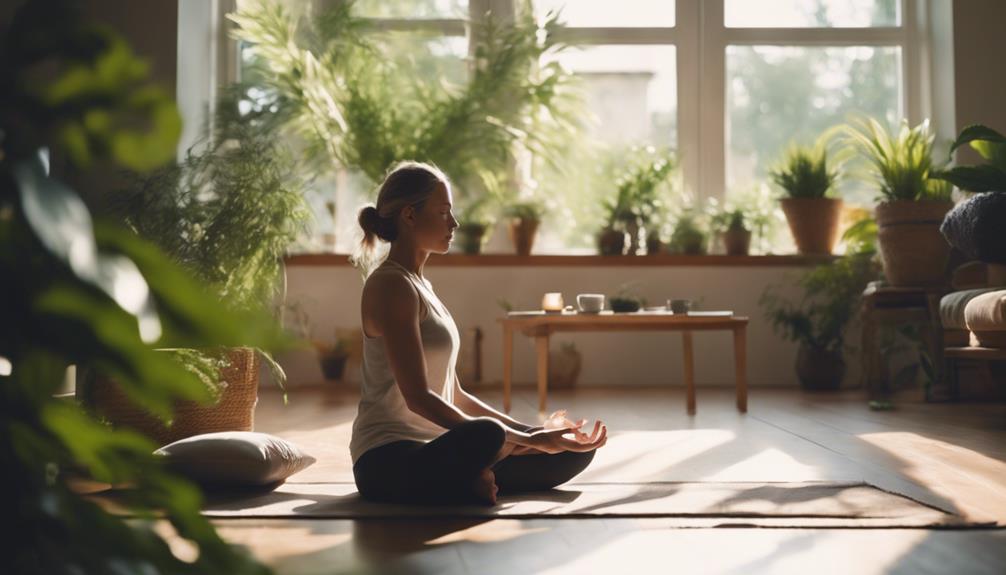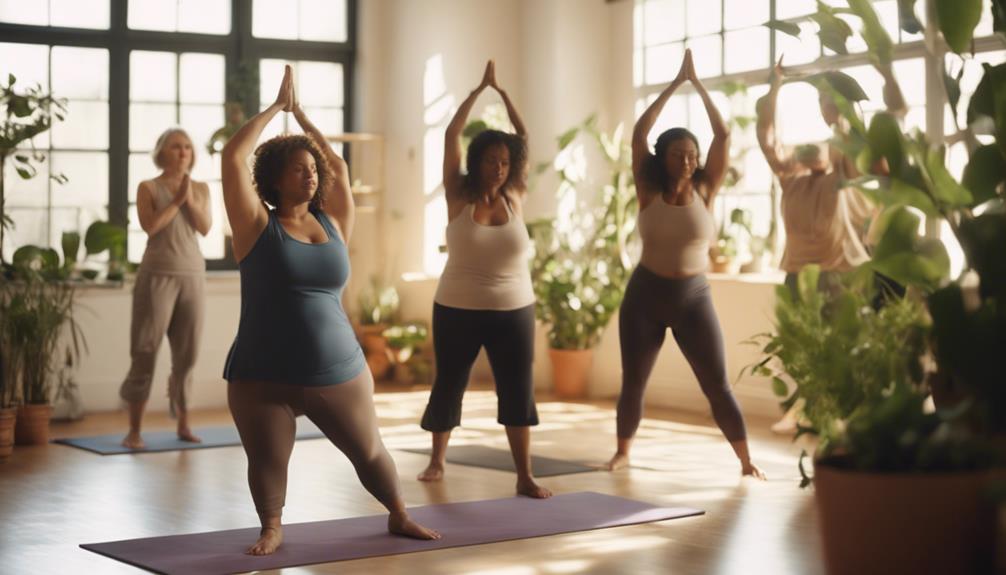
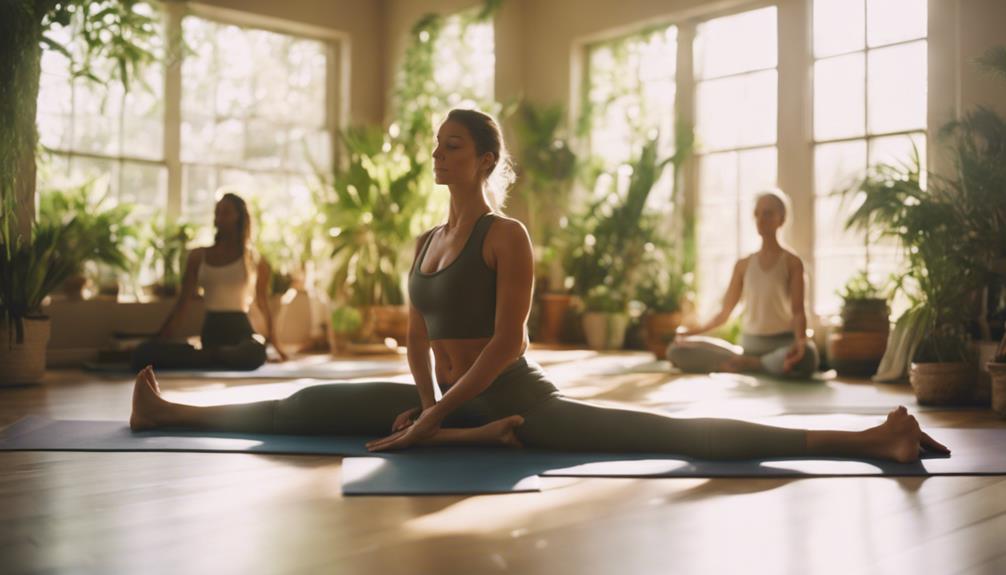
Yoga can be a practical addition to a health and wellness fitness routine, whether you are new to exercise, returning after time away, or looking for a more balanced approach to training. It combines physical movement with breath awareness and mindful attention, helping you work on flexibility, balance, strength, recovery, and stress management in the same practice. Discover how nearby yoga classes can support flexibility, strength, balance, and overall health and wellness.
Finding a class that suits your goals is important. The most challenging or popular option is not necessarily the best choice for you. A convenient location, welcoming instructor, appropriate class level, and schedule you can maintain will often matter more than choosing an advanced style too soon.
Why include yoga in a fitness and wellness routine?
Yoga can complement activities such as walking, swimming, running, or strength training. Depending on the class, it may help develop core strength, muscular endurance, mobility, and balance. Slower sessions can also provide an opportunity to focus on controlled movement, breathing, and recovery.
The benefits are not limited to physical fitness. A consistent practice may support relaxation, body awareness, sleep habits, and a greater sense of wellbeing. These effects can make it easier to remain engaged with other healthy habits. Yoga should not be viewed as a replacement for every form of exercise, but it can be a useful part of a varied and sustainable routine.
How to search for “yoga near me”
Search engines and map applications are a useful starting point for finding nearby studios, independent instructors, community classes, and online options connected to local providers. Search results can usually be narrowed by distance, schedule, price, and class level.
When reviewing local listings, look beyond the overall rating. Recent reviews and studio photos may provide helpful clues about the atmosphere and facilities, while the provider’s website may explain class formats, experience requirements, booking rules, and equipment expectations.
- Check whether beginner, gentle, or introductory classes are available.
- Compare class times with the schedule you can realistically maintain.
- Look for drop-in prices, introductory packages, or membership choices.
- Read several recent reviews for comments about teaching style and class atmosphere.
- Contact the studio if you need information about mats, accessibility, cancellations, or health concerns.
Choose a class style that matches your goals
Yoga classes can differ considerably in pace, intensity, and purpose. Understanding the general focus of each option makes local searches more productive.
Gentle and restorative yoga
These classes generally use slower movements and longer periods of rest or supported positions. They may be suitable when relaxation, mobility, or recovery is a priority.
Vinyasa and flow classes
Flow-based sessions connect movements in sequence and may offer a more active workout. The pace can vary, so beginners should check the class description and ask whether modifications are provided.
Power or strength-focused yoga
These classes may place greater emphasis on muscular endurance, core work, and challenging transitions. They can support fitness goals but may be less appropriate as a first class if you are unfamiliar with yoga movements. Explore local wellness programs to complement your health and fitness routine with accessible support nearby.
Yin and flexibility-focused classes
Yin-style sessions typically involve slower, longer-held positions and may appeal to people who want to focus on flexibility, stillness, and body awareness.
Hot yoga
Hot classes use a heated room and can feel more demanding because of the environment as well as the movements. They are not comfortable or suitable for everyone, so ask questions before booking and stop if you feel unwell.
What to look for in a local studio or instructor
A supportive teaching environment is often more valuable than an impressive timetable. Look for instructors who explain movements clearly, offer options for different abilities, and encourage participants to work within their own limits. A class should feel challenging without being competitive or pressuring you to ignore discomfort.
Class size may also affect your experience. Smaller groups can make it easier to ask questions and receive individual guidance, while larger classes may offer more scheduling flexibility. If you have an injury, health condition, or specific physical goal, discuss it with a qualified healthcare professional and the instructor before participating. Tell the instructor about relevant concerns at the start of class, and ask about alternatives when a movement does not feel right.
Make yoga a sustainable part of your routine
Start with a class that feels accessible rather than trying to progress as quickly as possible. Consistency is usually more useful than occasional intense sessions. You might begin with one or two classes each week and adjust according to how your body responds and how well the schedule fits your life.
Yoga can work alongside walking, swimming, strength training, or other activities. Allow time for recovery, and pay attention to sleep, hydration, and persistent pain or fatigue. Progress may appear gradually through improved balance, posture, mobility, breath control, or ability to manage stress.
In-studio and online options
Local search results may include both studio-based and virtual classes. Online sessions can provide flexibility when travel is difficult, while in-person instruction may be especially useful when you are learning the basics or want a stronger sense of structure and community. Some providers offer both formats, allowing you to combine convenience with occasional in-person guidance.
The right yoga class for your health and wellness fitness goals is one you can attend safely, comfortably, and consistently. Compare local options, try an appropriate introductory class, and give yourself time to discover which pace and teaching style best support your long-term wellbeing.