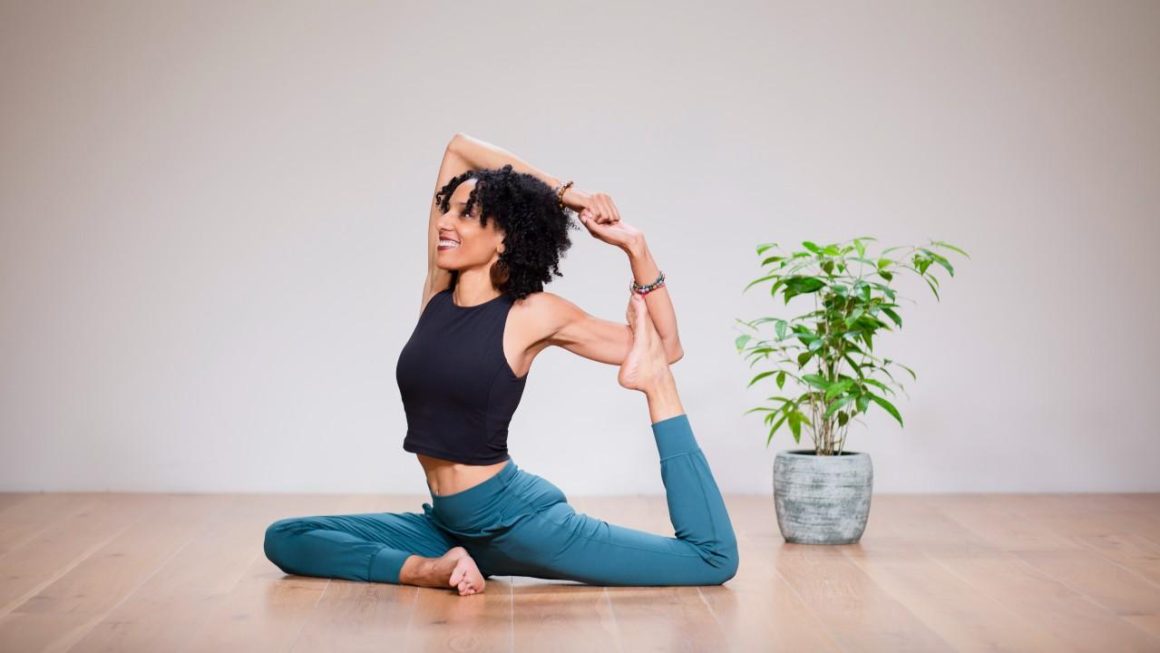
Yoga With Adriene Deep Stretch is designed for moments when the body needs time, space, and attention rather than a fast-paced workout. The practice focuses on slow transitions, extended holds, steady breathing, and small adjustments that help you explore familiar postures without forcing them. It can be a useful choice after a long day, following strenuous exercise, or whenever stiffness makes movement feel restricted. For deeper practice ideas, explore style differences that shape each session.
Although deep stretching may look simple, it asks for patience and awareness. The aim is not to achieve the deepest possible version of a pose. Instead, the practice encourages you to notice sensation, soften unnecessary tension, and gradually become more comfortable with your available range of motion.
What makes this deep-stretch practice distinctive?
Compared with a quicker vinyasa-style class, a deep-stretch session generally gives you more time in each position. The slower pace makes it easier to observe how the hips, hamstrings, shoulders, back, and other areas respond. Breath becomes an important guide: a steady exhale may help you release effort, while discomfort or strained breathing can signal that you have gone too far.
Adriene Mishler’s teaching style is known for clear guidance and an approachable tone. In a deep-stretch format, that accessibility can make longer holds feel less intimidating, particularly for beginners. The practice can also suit experienced students who want to shift their attention away from performance and toward body awareness.
Potential benefits of regular practice
A consistent stretching routine may support everyday mobility and make ordinary movements feel more comfortable. Holding poses with control gives you an opportunity to work patiently with areas that often become tight from sitting, repetitive activity, or demanding workouts. The quiet rhythm may also provide a useful mental reset.
People commonly use this style of practice to:
- Ease the feeling of general stiffness after sitting or standing for long periods.
- Maintain mobility in the hips, hamstrings, shoulders, and spine.
- Cool down after more active exercise.
- Develop greater awareness of posture, alignment, and muscular effort.
- Create a calmer transition into rest or the end of the day.
These benefits depend on regular, comfortable practice rather than on pushing harder during a single session. Flexibility develops gradually, and progress can look like improved ease, smoother breathing, or better control—not simply reaching a more advanced shape. After Yoga With Adriene’s deep stretch, explore Denver hot yoga for a warmer, more invigorating practice.
Use props and modifications to make poses more supportive
Deep stretching should feel intentional, not aggressive. Props can reduce strain and help you stay present in a position. A block can bring the floor closer, a strap can provide useful reach without rounding the back, and a folded blanket can cushion the knees or support the hips. A bolster or firm cushion may make longer restorative holds more comfortable.
Choose the variation that allows you to breathe normally and keep unnecessary tension out of your face, shoulders, and hands. You do not need to match the instructor’s exact shape. If a pose creates pressure in a joint, sharp pain, tingling, or a sensation that feels wrong, back out gradually and select an easier option.
How to fit deep stretching into your routine
There is no single schedule that works for everyone. You might choose a longer session once or twice a week, use it as a cool-down after active training, or practice shorter stretches more frequently to address everyday stiffness. A gentle session can also work well on a rest day when you want to move without adding a demanding workout.
Pay attention to how your body feels during the hours after practice. Mild, familiar stretching sensations may be expected, but increasing soreness is a reason to reduce intensity, shorten holds, or take more recovery time. Consistency matters more than duration, so a manageable routine is usually easier to sustain than occasional sessions that leave you overworked.
Who may enjoy this practice?
This format can appeal to beginners, people returning to movement, athletes seeking a slower recovery session, and anyone affected by the stiffness that can accompany desk-based or sedentary habits. Its adaptable pace allows each person to choose a level of challenge that feels appropriate on that day.
If you have an acute injury, a recent operation, a chronic medical condition, or persistent pain, seek advice from a qualified healthcare professional before starting a new stretching routine. Deep stretching is not a test of tolerance. By using modifications, respecting your limits, and treating the breath as feedback, Yoga With Adriene Deep Stretch can become a calm, practical way to support mobility and mindful movement.