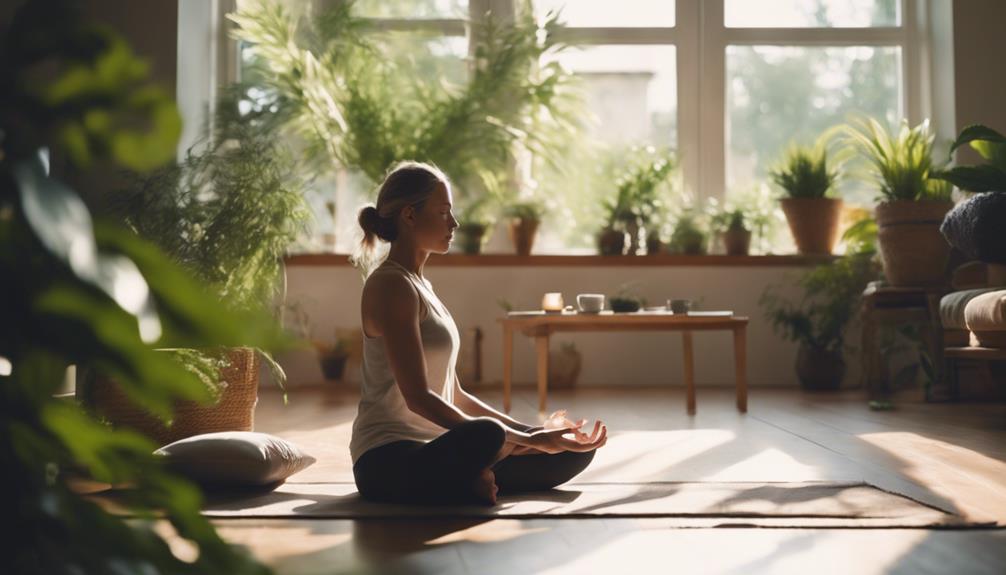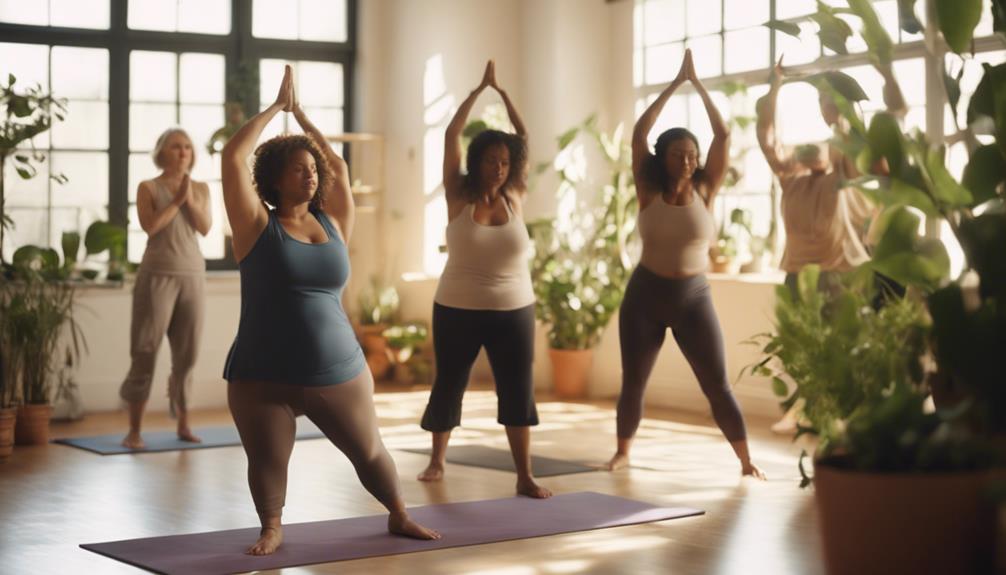
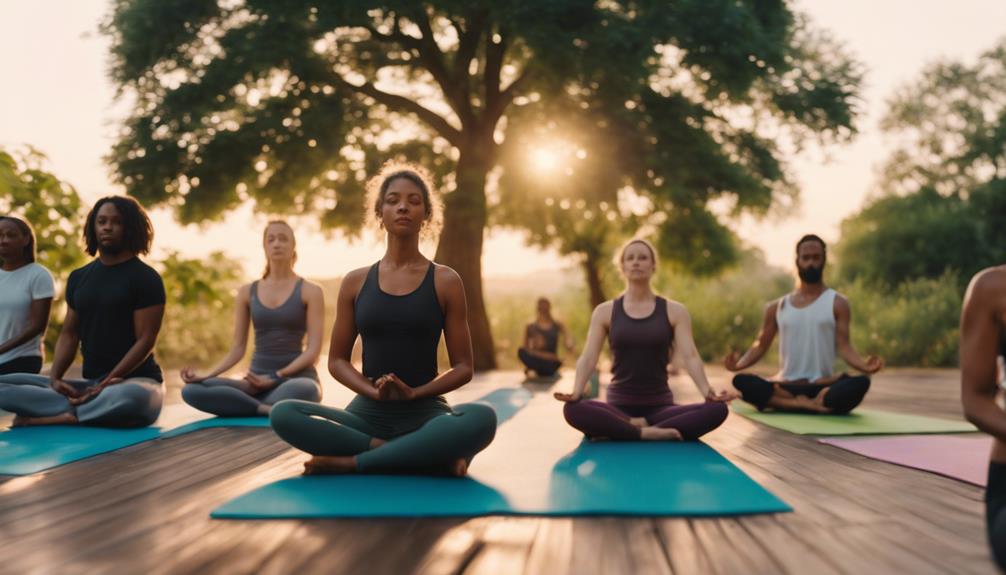
Finding a highly rated yoga studio nearby is only the first step. The best choice is the one that matches your goals, experience level, schedule, budget, and preferred atmosphere. A convenient location may encourage regular attendance, while a suitable class style and supportive instructor can make the practice more comfortable and rewarding. Explore local yoga options to compare nearby studios, class styles, schedules, and ratings before choosing your next session.
Start with a broad local search
Use map apps, local business directories, and studio websites to identify yoga classes in your area. Search for terms such as “top rated yoga near me,” then compare the results rather than choosing the first listing you see.
Use these details as an initial filter:
- Distance from home, work, or public transport
- Morning, lunchtime, evening, and weekend availability
- Overall rating and the number of reviews
- Class descriptions, photographs, and current contact information
- Drop-in prices, introductory offers, or trial-class options
Checking more than one source can provide a more balanced picture. A studio may have a strong overall rating but limited information about specific instructors, class levels, or cancellation policies. The studio’s own website is often useful for understanding its timetable and teaching approach.
Choose a class style that suits your goals
“Yoga” can describe classes with very different speeds, physical demands, and purposes. Read the class description carefully and look for information about pace, level, focus, and expected experience.
- Hatha: Often emphasizes foundational postures, breathing, and a measured pace.
- Vinyasa: Typically links movement with breath and may move more continuously between poses.
- Power yoga: Usually offers a more physically demanding practice.
- Yin: Generally uses longer-held poses and a slower format.
- Restorative: Focuses on supported, restful positions and relaxation.
- Iyengar-inspired classes: May place particular attention on alignment and the use of props.
Studios may also offer classes for beginners, prenatal students, older adults, or people looking for a gentler practice. If you have an injury, physical limitation, or a specific health concern, ask the instructor in advance whether the class is appropriate and what modifications may be available.
Look beyond the star rating
A high rating can help you create a shortlist, but it does not guarantee that every class will suit you. Read a selection of recent reviews and look for repeated observations rather than relying on one unusually positive or negative comment.
Useful signs include comments about:
- Clear instructions and thoughtful sequencing
- Welcoming treatment of beginners
- Options and modifications for different abilities
- Clean, comfortable, and well-equipped spaces
- Consistent scheduling and helpful communication
Also note recurring concerns about overcrowded rooms, unexpected fees, difficult cancellation rules, noise, or frequent instructor changes. These details may affect your experience even when the overall rating is strong.
Assess instructors and studio standards
Review instructor biographies where available. Look for information about teacher training, teaching experience, areas of focus, and continuing education. A transparent studio should make it reasonably easy to understand who teaches each class and what students can expect. For gentle movement options, explore senior balance sessions that complement yoga and support stability at any age.
During a class, notice whether the instructor gives clear cues, demonstrates or explains movements effectively, and offers alternatives without pressuring students. A good class should make room for different bodies, experience levels, and comfort limits. You should feel able to rest, modify a pose, or ask a question when needed.
Try a class before committing
An introductory class or short-term pass can help you judge the fit without making a long-term commitment. Arrive early, especially for your first visit, so you can ask about equipment, class intensity, and any relevant limitations.
Afterward, consider:
- Did the pace and difficulty match the class description?
- Were the instructions easy to follow?
- Did you feel supported rather than rushed or judged?
- Was the room comfortable and easy to access?
- Would the schedule make regular attendance realistic?
If you visit more than one studio, make brief notes about the teaching style, atmosphere, travel time, facilities, and total cost. Comparing these practical details can be more useful than comparing ratings alone.
Balance convenience, cost, and community
The most suitable yoga studio is one you can attend consistently. Compare drop-in prices, class packages, memberships, and any introductory rates. Check the terms carefully, including expiration dates, booking requirements, and cancellation rules.
Location also matters. A studio that is slightly farther away may offer a class schedule or teaching style that suits you better, but excessive travel can make attendance difficult. Consider parking, public transport, changing facilities, and whether you need to bring your own mat or props.
Finally, pay attention to the studio culture. Some people prefer a quiet, focused environment, while others value workshops, community events, or opportunities to meet fellow students. The right choice is not simply the closest or most popular option—it is the place that makes you feel comfortable returning regularly and developing your practice at your own pace.