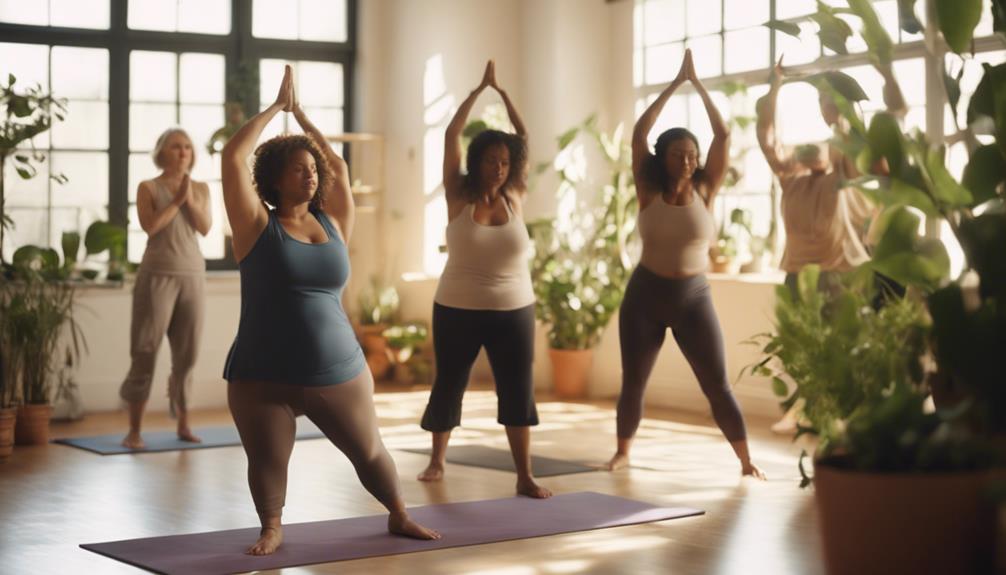
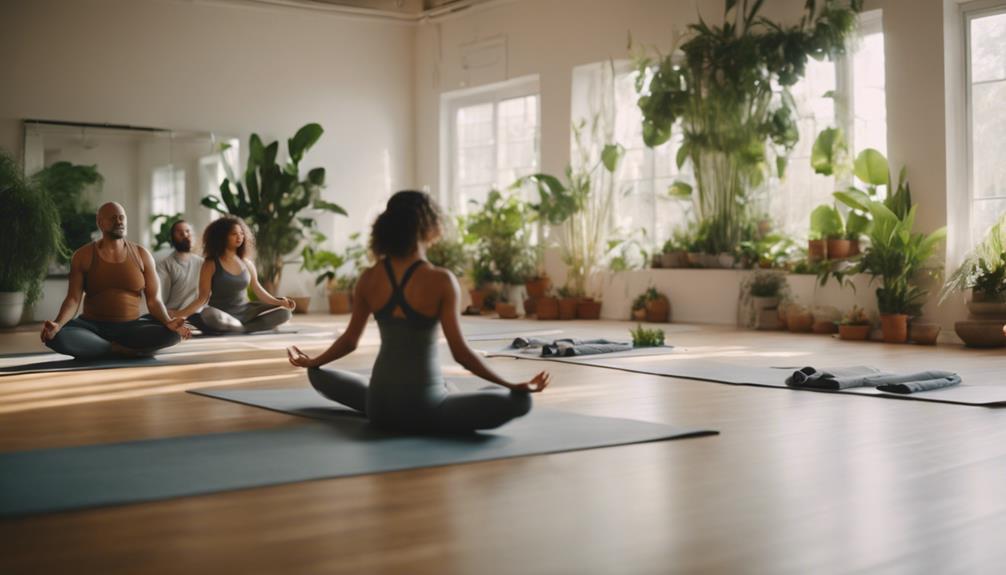
Finding the right balance class can help older adults stay active, practise controlled movement, and feel more confident during everyday activities. Local programs may include balance training, gentle strength work, tai chi, senior yoga, chair yoga, or functional fitness. The best option depends on a person’s mobility, comfort level, health needs, and access to transportation. Seniors can explore local yoga options to complement balance training and find suitable classes within their community.
What balance classes can offer
Balance-focused exercise commonly addresses several abilities that support safe movement, including leg strength, posture, flexibility, coordination, and the ability to shift weight in a controlled way. Instructors may use slow movements, supported standing exercises, walking patterns, and breathing techniques. Some activities are performed seated, while others use a chair, wall, railing, or other stable support.
Regular participation may also provide benefits beyond physical activity. A welcoming class can encourage social connection, improve confidence, and make exercise feel more manageable. However, a group class is not a substitute for an individual assessment when someone has significant balance problems, frequent falls, pain, dizziness, or a recent injury.
Where to look for local classes
Begin with a local search using phrases such as “senior balance class,” “fall prevention exercise,” “chair yoga,” “senior tai chi,” or “gentle exercise for older adults,” followed by your town or neighbourhood. Several types of organisations may offer suitable programs:
- Senior and community centres: These often provide group activities designed for older adults and may offer affordable registration options.
- Parks and recreation departments: Local recreation schedules may include tai chi, gentle fitness, or balance-focused sessions.
- Yoga and movement studios: Look for classes specifically described as senior, beginner, gentle, or chair-based.
- Physical therapy clinics and healthcare facilities: Some provide group balance or mobility programs, or can suggest appropriate community resources.
- Libraries, faith communities, and local noticeboards: These can be useful sources for smaller programs that are not easy to find through a general search.
Recommendations from a doctor, physical therapist, caregiver, or other trusted professional can also help narrow the choices. Online community groups and reviews may reveal useful practical details, but confirm class information directly with the provider before attending.
What to expect during a typical session
Many classes begin with a gentle warm-up and then move into exercises for balance, strength, posture, or coordination. A cool-down, stretching, relaxation, or breathing practice may follow. The pace should allow participants to understand the instructions and move without rushing.
A suitable class should offer alternatives for different ability levels. These may include seated versions of standing exercises, the option to hold a stable support, and simpler movements for people who are new to exercise. Ask whether the instructor is experienced in working with older adults and whether participants can take breaks as needed. You should never feel pressured to perform a movement that causes pain, dizziness, or unusual shortness of breath. Exploring senior-friendly gym options can help you find supportive spaces for balance-focused fitness nearby.
Questions to ask before registering
A short conversation with the instructor or organiser can help determine whether a class is appropriate. Consider asking:
- What experience or training does the instructor have with older adults or balance limitations?
- Are seated and standing modifications available?
- How many people attend, and is individual guidance provided?
- Can someone with limited mobility, a walking aid, or a history of falls participate safely?
- Is a health screening, medical approval, or introductory assessment required?
- What equipment, footwear, or clothing should participants bring?
- Is the building accessible, with suitable parking, ramps, lifts, and restrooms?
- Can you observe a session or attend a trial class before committing?
Choosing the right level and format
Start with a class that matches your current ability rather than choosing one based only on its title. A beginner or chair-based program may be a better starting point for someone who is unsteady, deconditioned, or nervous about group exercise. Someone who is already active may prefer a class that combines balance work with gentle strength training.
Online sessions can supplement local classes when travel, weather, or limited availability makes attendance difficult. Choose instruction that clearly demonstrates modifications and encourages participants to use a stable support when needed. Practise in a clear, well-lit area, keep a phone nearby, and avoid exercises that feel unsafe. Occasional in-person guidance from a qualified instructor or physical therapist can help confirm technique and identify appropriate progressions.
Making attendance safer and more consistent
Visit the location before the first class if possible, and plan how you will get there and return home. Wear comfortable clothing and secure footwear, follow the instructor’s directions, and report any pain or symptoms promptly. If you have medical concerns, a history of falls, or a condition that affects movement, discuss the planned activity with an appropriate healthcare professional first.
With careful research, the right questions, and an honest assessment of current abilities, seniors and caregivers can find a balance class that is accessible, supportive, and enjoyable. The most useful program is one that feels safe enough to attend consistently and flexible enough to accommodate changing needs.