When anxiety rises, the body can react before the mind has time to make sense of what is happening. Breathing may become quick and shallow, the heart may beat faster, and muscles can tense as the body prepares to respond to a perceived threat. Because breathing is both automatic and partly under conscious control, it offers a practical way to influence this stress response. Explore mindful yoga practices to pair calming breathwork with greater wellness and everyday mindfulness.
Intentional breathing is not a cure for anxiety, and it will not feel the same for everyone. However, a few minutes of steady, comfortable breathing can help reduce physical arousal, interrupt spiralling thoughts, and give you a greater sense of control in a difficult moment.
Why breathing affects anxiety
Anxiety involves the nervous system as well as thoughts and emotions. During stress, the body’s alerting response may increase heart rate, muscle tension, and breathing speed. Paying attention to the breath can shift your focus away from anxious predictions and toward a physical sensation in the present moment.
Slowing the breath, especially by making the exhalation gentle and unhurried, may help the body move out of a heightened state. It also creates a pause between an anxious feeling and an immediate reaction. That pause can make it easier to decide what you need next rather than automatically following the momentum of fear.
Breathing exercises for anxious moments
Choose one technique and practise it regularly before expecting to use it comfortably during intense anxiety. Keep the breath soft rather than forcing it. If you feel light-headed or uncomfortable, return to your normal breathing and stop the exercise.
Diaphragmatic breathing
This exercise encourages movement in the abdomen rather than lifting the chest with every breath.
- Sit or lie in a position that allows your shoulders to relax.
- Place one hand on your chest and the other on your abdomen.
- Inhale slowly through your nose and notice the abdomen gently rise.
- Exhale comfortably and allow the abdomen to fall.
- Continue for several breaths without trying to take unusually large breaths.
This can be useful during a work break, before a stressful conversation, or whenever you notice your breathing becoming tight and hurried.
Equal-count breathing
For a simple structured pattern, inhale for a comfortable count and exhale for the same count. For example, you might inhale for four counts and exhale for four. Repeat for one to three minutes, adjusting the count if four feels too long. The counting gives the mind a steady task while the even rhythm encourages a calmer pace. Explore calming breathing techniques to understand how steady breathwork can ease anxious thoughts and support emotional balance.
Box breathing
Box breathing uses four equal stages: inhale, pause, exhale, and pause. A commonly used pattern is four counts for each stage. Breath holds are optional; if they create tension, leave them out and use a slow inhale followed by a slow exhale instead. The aim is comfort and steadiness, not perfect timing.
Using breathing for immediate and ongoing support
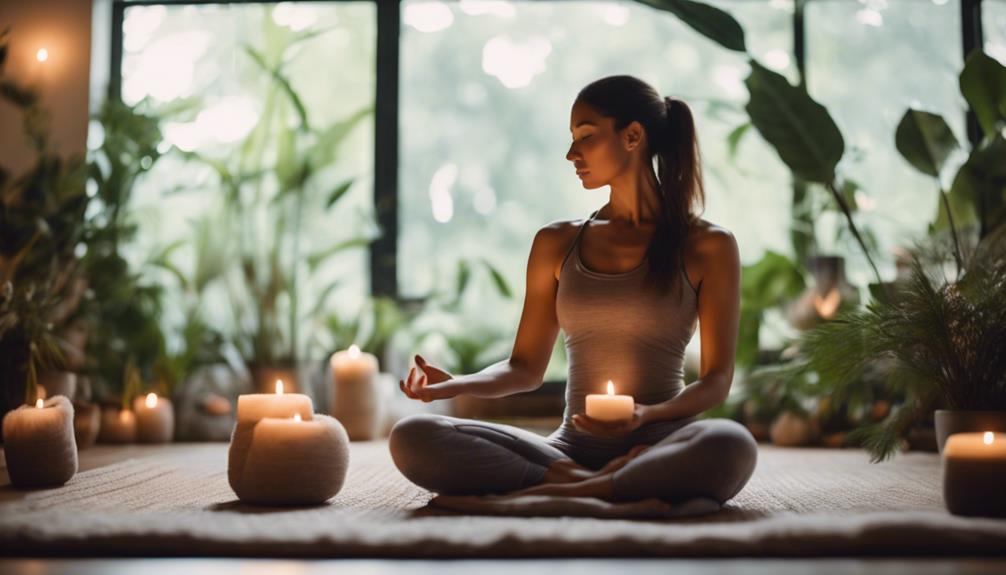
During an anxious episode, begin with just a few comfortable breaths. Trying to take a very deep breath or eliminate anxiety immediately can add pressure. Instead, notice the contact of your feet with the floor, relax your jaw and shoulders, and let your attention follow each inhale and exhale.
Regular practice may make it easier to recognise tension earlier and respond before anxiety becomes overwhelming. Set aside five minutes in the morning, during a quiet break, or before bed. Consistency matters more than long sessions. A simple note in a journal can help you identify which technique feels most useful and when anxiety tends to appear.
Connecting breathwork with yoga and mindfulness
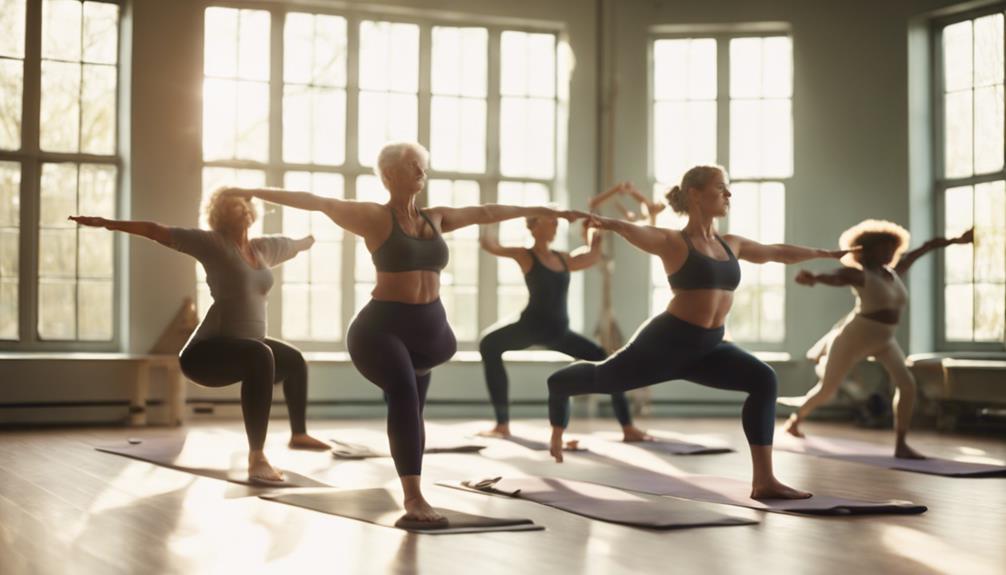
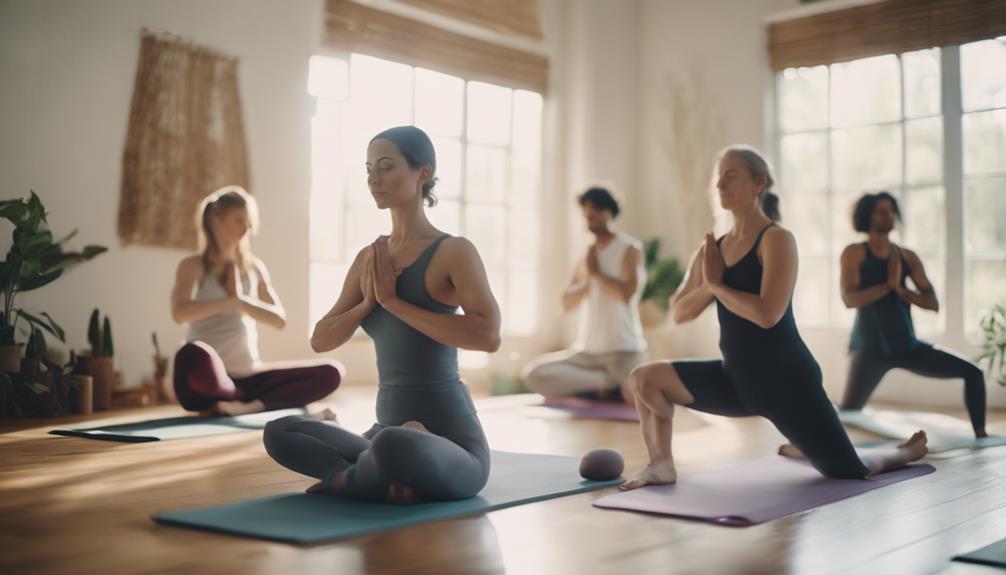
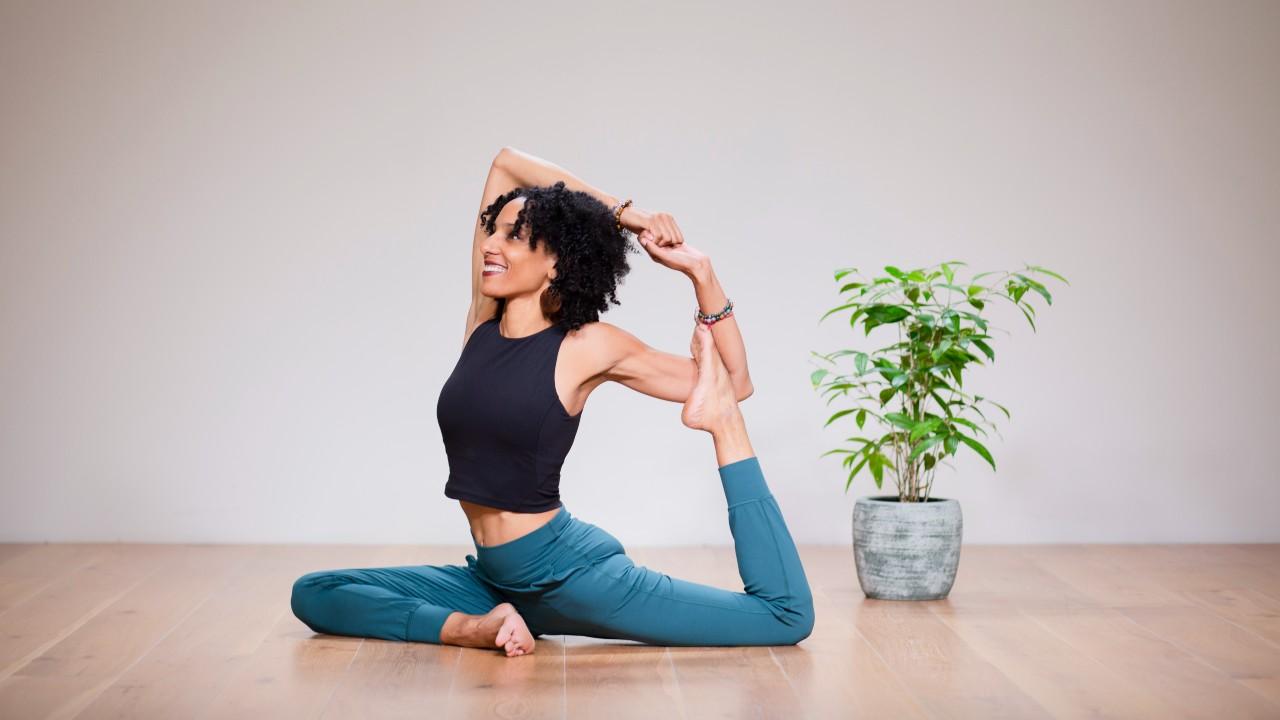
Breath is a central part of many yoga practices. Coordinating breathing with movement can bring attention back to the body and reduce the pull of repetitive thoughts. Even a short routine can begin with several minutes of seated breathing, continue with gentle postures, and finish with quiet observation of the breath.
Breath-focused yoga does not need to be strenuous. The purpose may be to practise steady attention, release physical tension, and develop a familiar calming routine. If a particular posture or breathing pattern feels uncomfortable, choose a simpler option or practise without breath holds.
When to seek additional help
Breathing exercises can be one part of an approach to anxiety, but they are not a replacement for professional care. Speak with a qualified mental health professional if anxiety is persistent, interferes with daily life, or remains difficult to manage. Professional treatment can address the thoughts, circumstances, and patterns connected with anxiety while incorporating practical coping skills when appropriate.
Start with a few comfortable breaths rather than aiming for instant calm. With patient, regular practice, breathing can become a readily available way to pause, ground yourself, and respond to stress with greater steadiness.