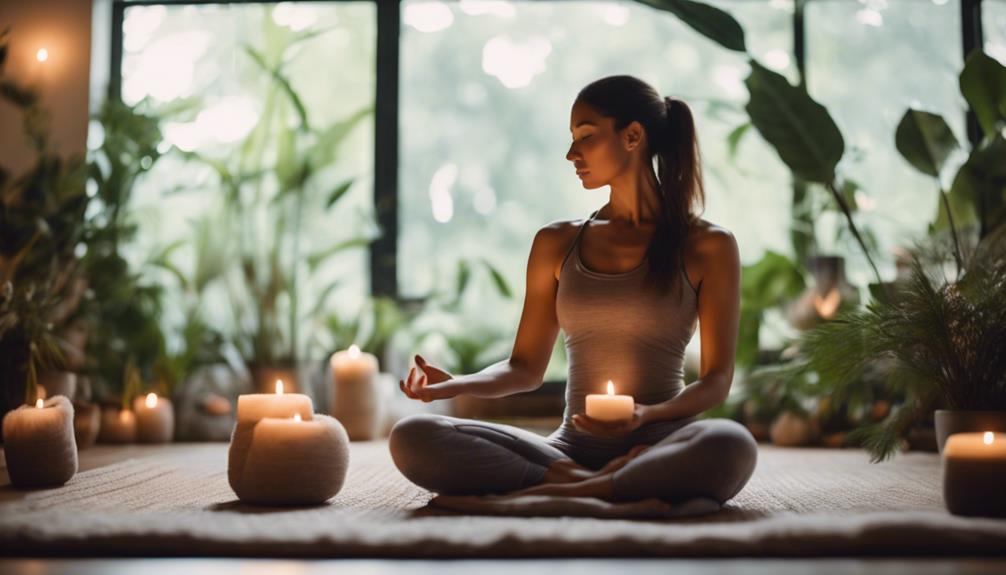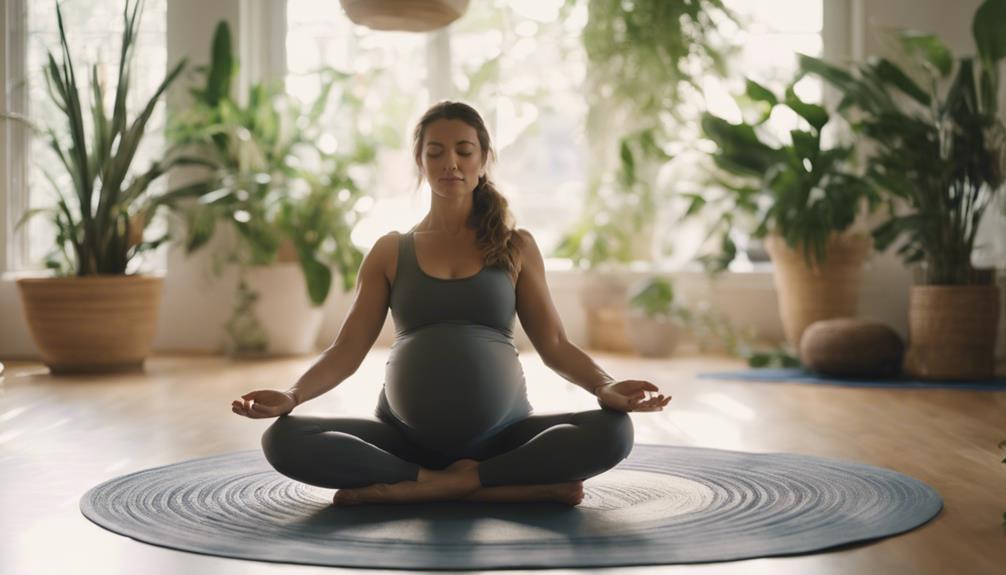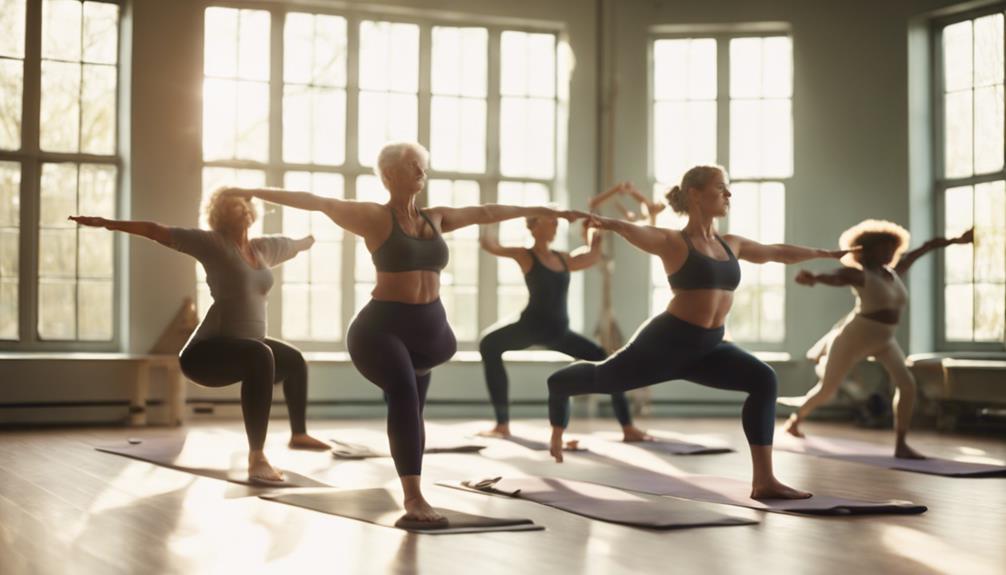
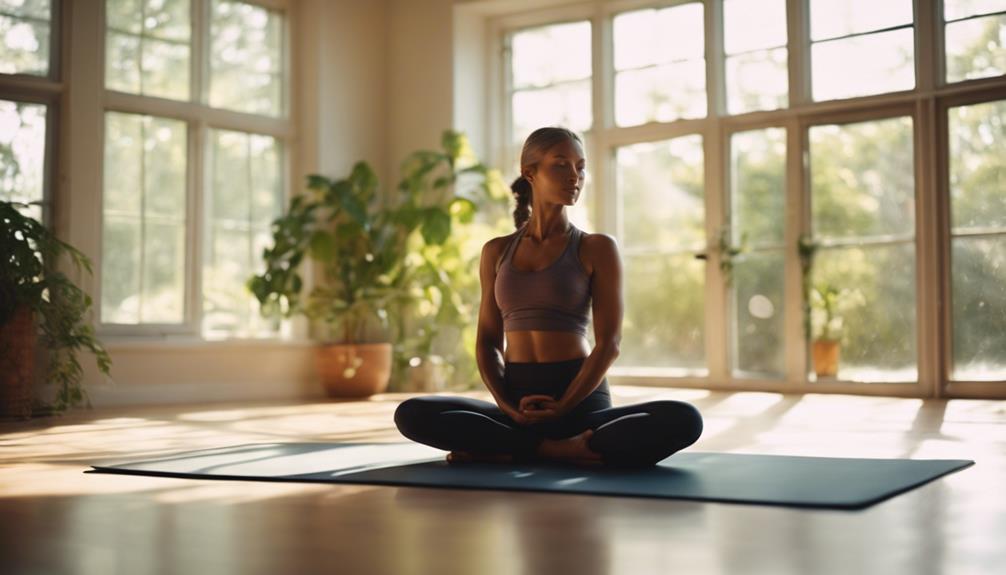
Yoga can be a practical way to support emotional wellbeing by bringing together movement, breathing, focused attention, and rest. Rather than treating mood as something separate from the body, yoga encourages you to notice how stress, fatigue, thoughts, and physical sensations interact. A consistent, manageable practice may help you feel calmer, sleep more easily, and respond to difficult emotions with greater awareness. Explore mindful wellness practices to connect yoga’s mood benefits with deeper mindfulness and everyday wellbeing.
Why yoga can influence mood
Yoga combines several elements that may affect how you feel. Physical postures can release tension and provide a steady form of movement. Slow, controlled breathing can help interrupt the shallow or rapid breathing that often accompanies stress. Meditation and present-moment attention create space between an emotion and an immediate reaction.
With practice, this process can improve interoception—the ability to recognise internal sensations. You may become more aware of early signs of anxiety, agitation, or exhaustion and be better able to respond before those feelings become overwhelming. Yoga does not remove difficult emotions, but it can provide tools for meeting them more skillfully.
What yoga may offer for mental wellbeing
Research discussed in the legacy material suggests promising benefits from regular yoga practice for anxiety, depression symptoms, sleep, quality of life, and general mood. Yoga may offer benefits similar to other forms of physical activity while also including breathing and mindfulness practices. These additional elements can make yoga especially useful for people who want to work with both physical tension and mental overactivity.
Yoga is best understood as one part of a broader wellbeing plan. It may complement counselling, medical treatment, medication, healthy sleep habits, and supportive relationships. It should not be treated as a replacement for professional care when symptoms are severe or persistent.
Practices that support emotional balance
A mood-supportive yoga session does not need to be strenuous or technically demanding. The goal is to create a sense of steadiness rather than to push through discomfort. Consider including:
- Gentle movement: Simple stretches, slow standing movements, or an easy sequence can help shift attention away from repetitive thoughts and into the body.
- Breath awareness: Notice the natural breath, then gradually encourage it to become slower and more comfortable without forcing deep inhalations.
- Restorative postures: Supported, comfortable positions can create an opportunity to release effort and settle the nervous system.
- Mindful pauses: Briefly observe sensations, thoughts, and emotions without judging them or trying to solve everything immediately.
- Relaxation: End with a few quiet minutes of rest, allowing the effects of movement and breathing to settle.
Creating a realistic yoga routine
Consistency is usually more useful than intensity when your aim is emotional wellbeing. Start with 10 to 20 minutes on most days, or choose a shorter practice that you can repeat reliably. A simple routine might include a gentle warm-up, several comfortable postures, a few minutes of breathing, and a short relaxation.
If evenings are difficult, try a slower practice with supported postures and relaxed breathing before bed. If you feel sluggish or mentally stuck during the day, a brief sequence of mindful standing movements may be more appropriate. Keep the routine flexible: your practice can change according to your energy, mood, and physical needs. For additional mood support, explore breath-focused practices that complement yoga through gentle, intentional breathing.
Pay attention to how you feel during and after practice. The most suitable approach is one that leaves you feeling supported, not pressured. Avoid measuring success only by flexibility or physical achievement; noticing your experience with a little more patience is also progress.
Yoga, mindfulness, and everyday stress
Mindfulness and yoga reinforce one another. Yoga gives mindfulness a physical setting, while mindfulness helps you observe sensations and thoughts without automatically reacting to them. This combination can reduce rumination, improve concentration, and encourage a kinder inner dialogue.
To carry the practice beyond the mat, pause during ordinary activities. Notice your feet on the floor, relax your shoulders, and take one unhurried breath before responding to a stressful situation. These small moments of awareness can make emotional regulation more accessible during the day.
Adapting yoga and finding additional support
People living with anxiety, trauma, depression, or other mental health concerns may benefit from working with a suitably trained, trauma-informed yoga teacher or healthcare professional. Practices can be adapted with chairs, props, grounding exercises, shorter sessions, or less intense breathing. If a technique increases distress, dizziness, panic, or physical discomfort, stop and return to natural breathing or a comfortable resting position.
Seek professional help when mood changes are intense, last for a prolonged period, interfere with daily life, or include thoughts of self-harm. Yoga can support mental wellbeing, but it is not an emergency intervention or a substitute for appropriate medical and psychological care. Unexplained or troubling physical symptoms, including recurring heart palpitations, should also be discussed with a healthcare professional rather than managed through yoga alone.
A calm, regular practice can help connect movement, breath, and self-awareness in a sustainable way. By starting gently and choosing techniques that feel safe, yoga can become a useful part of caring for mood and supporting overall wellbeing.