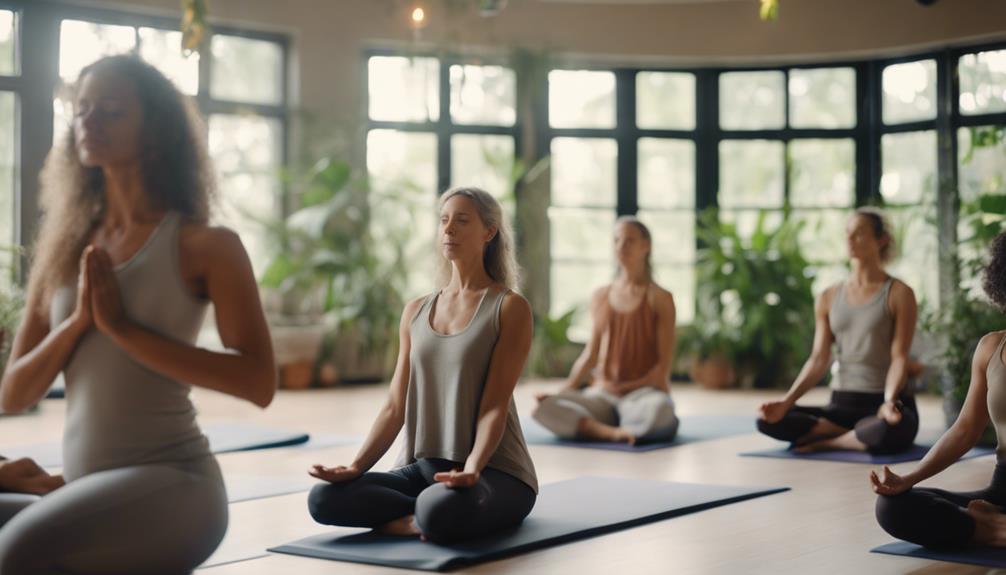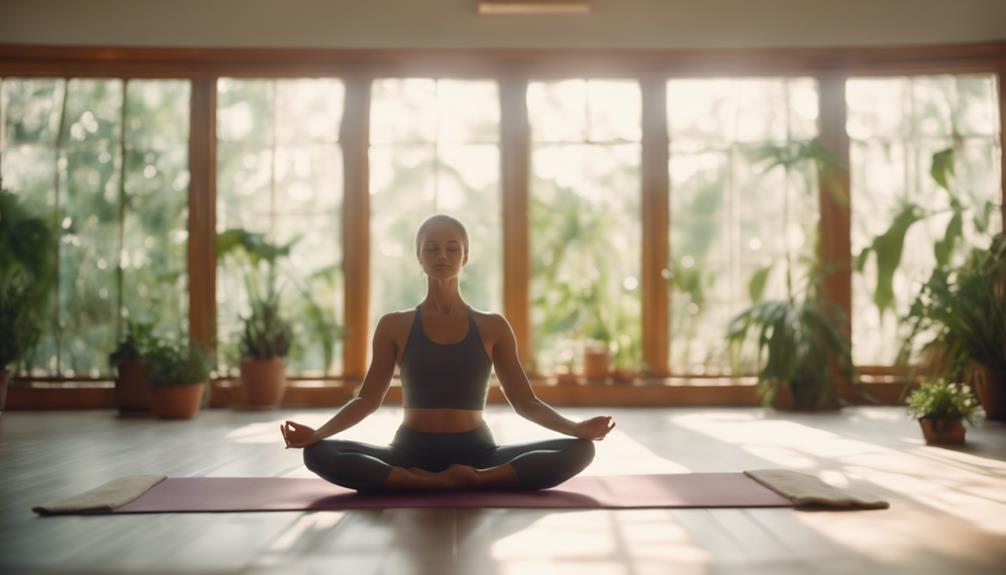
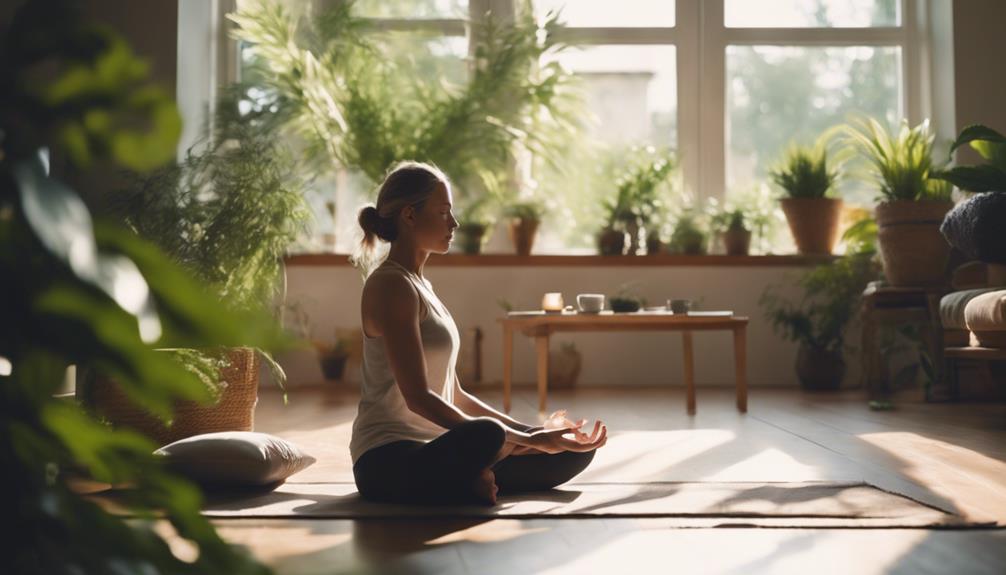
Starting yoga does not require advanced flexibility, impressive balance, or knowledge of dozens of poses. A beginner’s practice can be simple: learn a few foundational movements, coordinate them with steady breathing, and pay attention to how your body feels. Over time, yoga can support strength, mobility, balance, posture, relaxation, and greater mental focus.
What yoga can offer
Yoga combines physical poses with breathing and mindful attention. The physical practice may help you build strength, improve flexibility, and become more aware of your posture and movement. Slowing down to focus on the breath can also create a useful pause from daily demands and encourage a calmer, more focused state of mind.
Yoga is not a competition. People have different bodies, abilities, and starting points, so the goal is not to copy the deepest version of a pose. Instead, aim for a position that feels steady, controlled, and appropriate for you on that day.
Three foundational yoga poses
Mountain Pose
Mountain Pose, or Tadasana, teaches the basic principles of standing alignment and body awareness.
- Stand with your feet comfortably apart, roughly hip-width if that feels stable.
- Spread your weight evenly across your feet and keep your knees relaxed rather than locked.
- Lengthen through the crown of your head while allowing your shoulders to soften.
- Let your arms rest by your sides and breathe slowly through your nose if comfortable.
Although the pose looks simple, it encourages you to notice how you stand, where you hold tension, and whether your weight is balanced.
Downward-Facing Dog
Downward-Facing Dog, or Adho Mukha Svanasana, is commonly used as a transition or resting position in many yoga sequences. It involves the arms, shoulders, back, hips, and legs.
- Begin on your hands and knees, with your hands slightly forward of your shoulders.
- Press into your hands and lift your hips up and back.
- Keep your spine long. Your knees may remain bent, especially if your hamstrings feel tight.
- Allow your head and neck to relax between your upper arms.
Your heels do not need to reach the floor. A longer spine is more important than straight legs. If the position feels too demanding, return to hands and knees or rest in Child’s Pose.
Child’s Pose
Child’s Pose, or Balasana, is a gentle resting position that can help you pause between more active movements.
- Kneel and bring your big toes toward one another.
- Separate your knees to a comfortable width and sit your hips back toward your heels.
- Fold your torso forward and rest your forehead on the mat, a cushion, or a yoga block if needed.
- Extend your arms forward or place them alongside your body.
Adjust the pose to suit your knees, hips, and lower back. You can also place a folded blanket beneath your knees or torso for additional support.
Alignment and breathing basics
Good alignment does not mean forcing every joint into a rigid position. It means organising your body so that you can breathe and move without unnecessary strain. In standing poses, try to keep your feet grounded, your spine lengthened, and your shoulders relaxed. In poses that challenge your balance, make small adjustments instead of gripping or holding your breath.
Breathing steadily is one of the simplest ways to stay present during practice. Breathe in as you lengthen or lift, and breathe out as you fold, soften, or settle into a position. Some yoga traditions use ujjayi, or “ocean,” breathing, which involves gently narrowing the back of the throat to create a quiet sound. Beginners do not need to use this technique; natural, comfortable breathing is enough.
How to practise safely
- Start with a short session and increase gradually as the movements become familiar.
- Move slowly when entering and leaving each pose.
- Keep a slight bend in your knees when straightening your legs feels uncomfortable.
- Use a wall, chair, cushion, or folded blanket when additional support would help.
- Stop or modify a pose if you feel sharp pain, dizziness, numbness, or unusual discomfort.
- Focus on consistent, relaxed breathing rather than how far you can stretch.
A simple beginner sequence might include Mountain Pose, a few gentle standing movements, Downward-Facing Dog, and Child’s Pose. Finish by sitting or lying comfortably for a few quiet breaths. With regular, patient practice, these basic poses can provide a strong foundation for exploring yoga at your own pace.