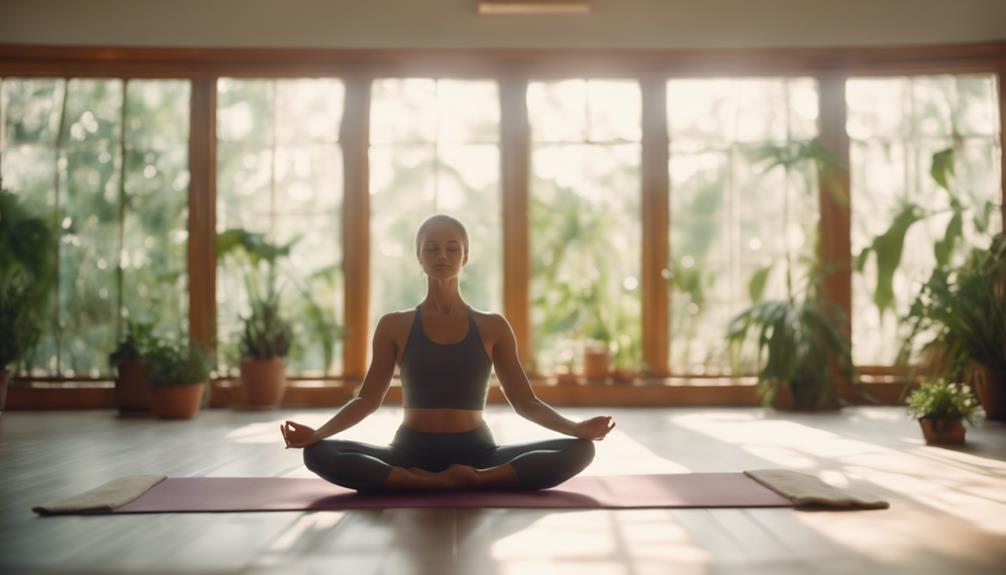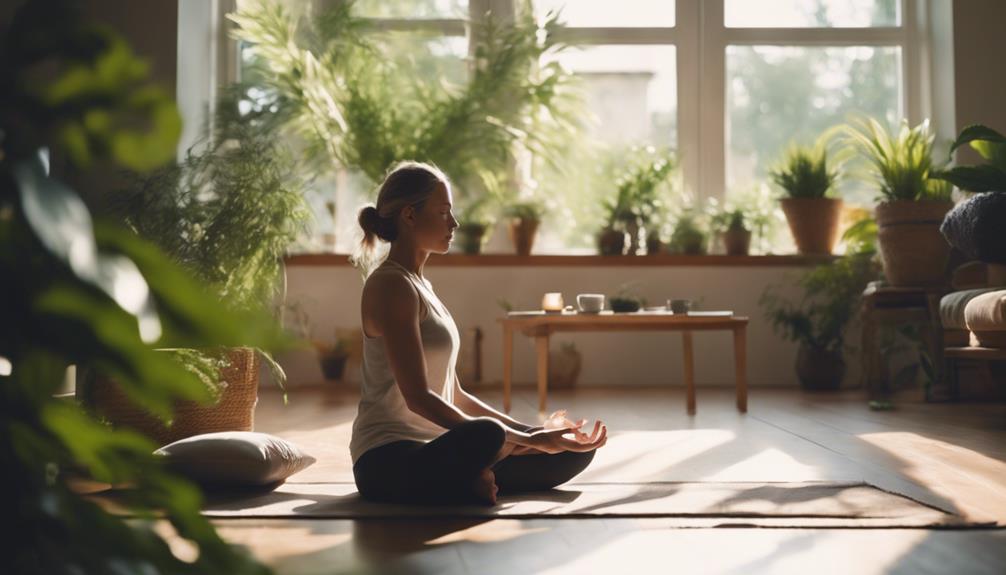
Yoga is often associated with flexibility, balance, and physical strength, but its benefits may also extend to mental and emotional well-being. By combining movement, breathing, concentration, and relaxation, yoga offers a practical way to pause, reconnect with the body, and create space away from everyday pressures.
Research discussed in the legacy article suggests that yoga may help reduce stress, anxiety, and symptoms of depression while supporting mood, sleep, concentration, and general well-being. Its effects can vary from person to person, but even a gentle practice may provide a useful addition to a broader approach to mental health.
How yoga can help reduce stress and anxiety
Stress affects both the mind and the body. When people feel under constant pressure, they may experience racing thoughts, muscle tension, irritability, difficulty concentrating, or problems sleeping. Yoga encourages a slower pace and directs attention toward breathing, movement, and physical sensations.
This focus can make it easier to step away from worries about the past or future and return attention to the present moment. Controlled breathing and restorative poses may also encourage physical relaxation, helping the body move away from the heightened state associated with prolonged stress.
Yoga can also strengthen awareness of emotional patterns. With regular practice, people may become better at noticing tension, anxious thoughts, or situations that trigger stress. That awareness does not remove difficult emotions, but it may make it easier to respond to them calmly rather than reacting automatically.
Supporting mood and emotional well-being
Physical activity is commonly linked with improved mood, and yoga combines gentle exercise with mindful attention. Moving through poses, coordinating movement with the breath, and taking time to relax can create a sense of accomplishment and calm.
The mindful nature of yoga may also help interrupt cycles of negative thinking. Instead of judging every thought or feeling, practitioners are encouraged to observe their experience with greater acceptance. Over time, this approach may support emotional balance and make it easier to manage challenging moods.
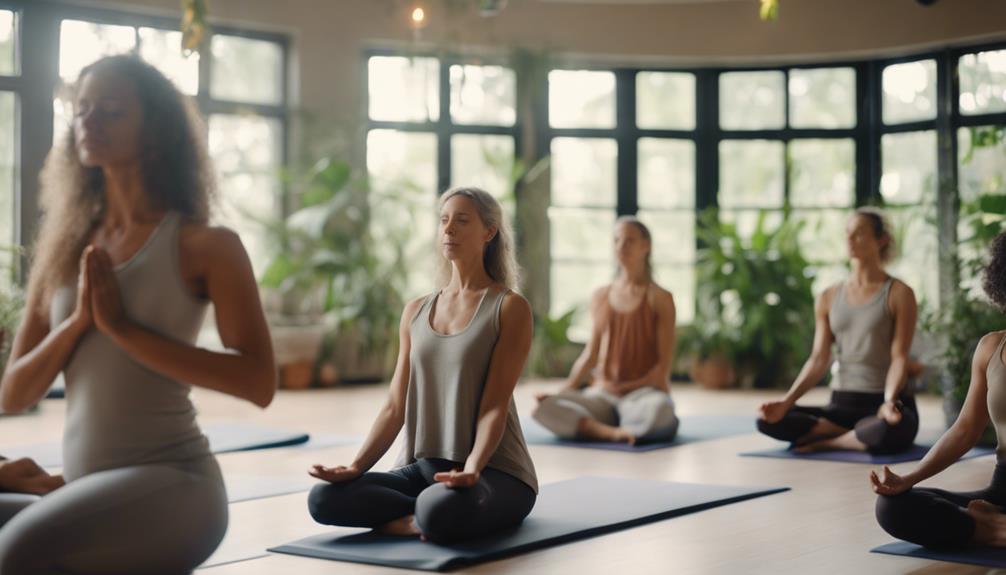
Yoga classes and group practice can provide another source of support. Practicing alongside others may reduce feelings of isolation and create a sense of connection, particularly for people who value a shared, encouraging environment.
Improving concentration and mental clarity
Yoga requires attention. Practitioners often need to coordinate posture, breathing, balance, and movement at the same time. This gives the mind a clear task and can help develop the ability to remain focused in the present.
Breathing exercises and brief periods of stillness may be especially useful when the mind feels scattered. By repeatedly returning attention to the breath or to the body, people practice redirecting their focus. This may support concentration, mental clarity, and a stronger mind-body connection.
Encouraging better sleep
Stress and anxious thoughts can make it difficult to fall asleep or remain asleep. Yoga’s breathing and relaxation techniques may help calm the body before bedtime, while gentle stretching can release some of the physical tension that builds during the day.
A short, quiet routine in the evening may be more suitable for sleep than an energetic session. Relaxing poses, slow breathing, and a few minutes of stillness can help signal that the day is coming to an end. Better rest may, in turn, support mood, energy, and the ability to cope with stress.
Making yoga part of a mental health routine
There is no single correct way to practice yoga. Some people may prefer a class, while others may choose a brief routine at home. The most useful approach is one that feels manageable and can be practiced consistently.
- Begin with gentle movements and breathing rather than pushing for difficult poses.
- Pay attention to how your body and mood feel before and after practice.
- Use slower, restorative sessions when the main goal is relaxation.
- Choose a regular time that fits naturally into your day.
- Focus on steady participation rather than physical perfection.
Yoga can be a valuable complement to other forms of self-care and mental health support. It is not necessary to be flexible or experienced to begin. A simple practice that encourages breathing, awareness, and relaxation may offer a constructive way to support emotional well-being over time.