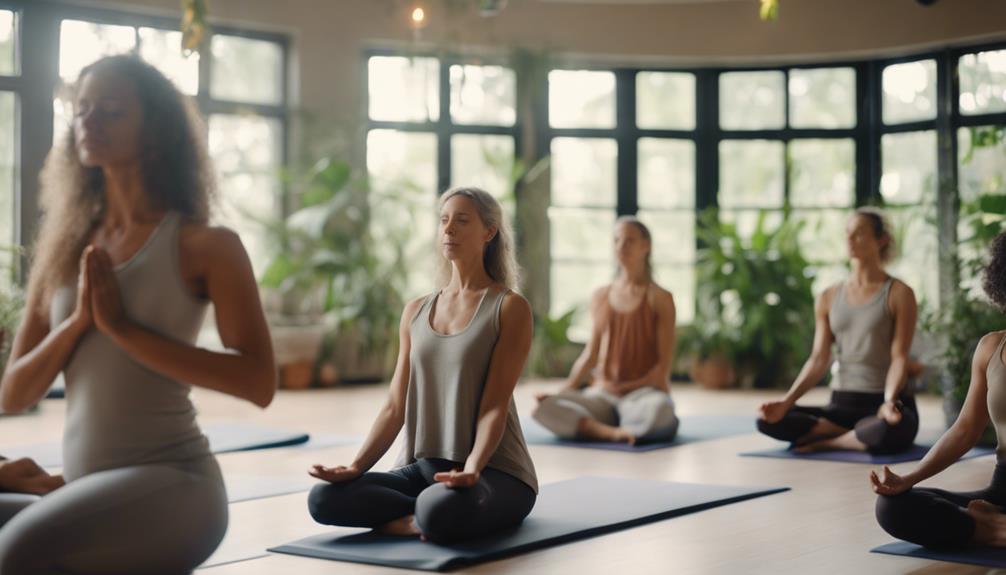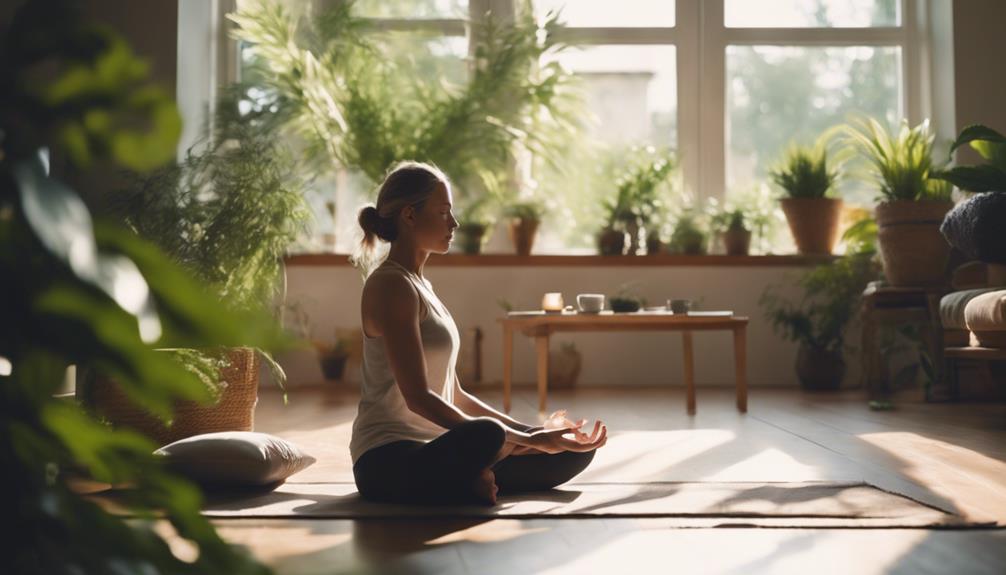
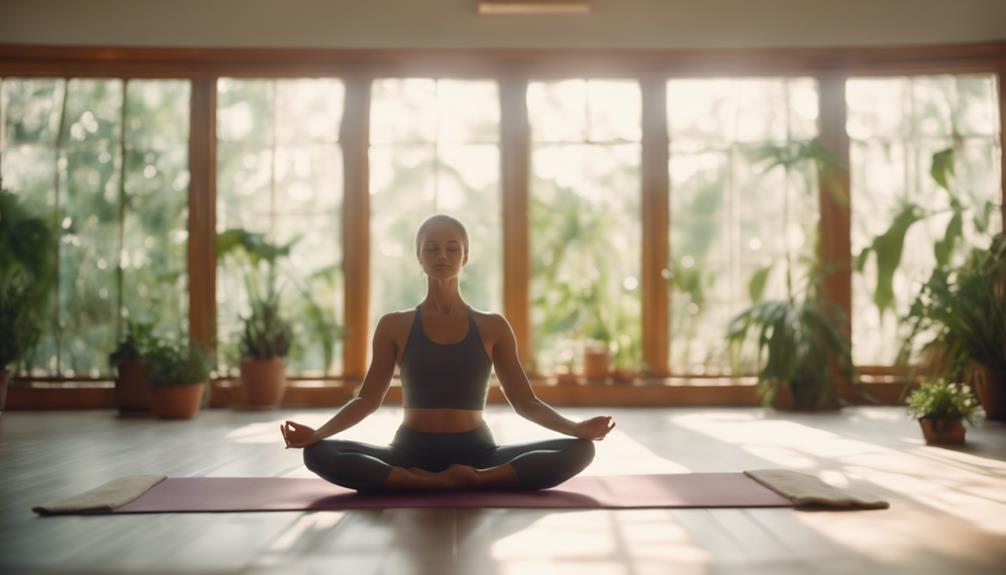
Yoga is a holistic practice that brings together physical postures, breathing techniques, mindful attention, and meditation. Although it originated as a spiritual and physical discipline in ancient India, many people now use yoga as a way to support flexibility, strength, relaxation, and mental focus.
Yoga’s value is not limited to what happens on the mat. With regular, thoughtful practice, it can encourage a stronger connection between body and mind, helping people respond to daily pressures with greater awareness and balance.
Yoga and stress relief
Work demands, relationship difficulties, financial concerns, and the pace of everyday life can all contribute to stress and anxiety. Yoga offers several practices that may help create a calmer physical and mental state.
Breath awareness is central to many yoga sessions. Slow, deliberate breathing gives the mind something steady to focus on and may help the body shift away from a tense, reactive state. Rather than trying to force thoughts away, practitioners learn to notice the breath and return their attention to it whenever distractions arise.
Mindful movement can provide a similar benefit. Paying attention to posture, balance, muscle tension, and breathing encourages present-moment awareness. This can make it easier to step back from worries about the past or future, even if only for a short period.
Yoga also addresses some of the physical tension that often accompanies stress. Gentle stretches and controlled movements may ease tightness in areas such as the shoulders, neck, hips, and back. A session that ends with relaxation or meditation can offer time to slow down and reconnect with the body.
Physical benefits of a consistent practice
Yoga can be adapted to different abilities and goals, from gentle stretching to more physically demanding sequences. One of its most familiar benefits is improved flexibility. Repeatedly moving through a comfortable range of motion may gradually reduce stiffness and make everyday movements feel easier.
Yoga can also build strength. Holding postures requires muscles to support and stabilise the body, particularly around the abdomen, legs, hips, shoulders, and arms. Improved strength can contribute to steadier movement and better postural support.
Other physical qualities developed through yoga include:
- Balance: Standing and transitional postures challenge stability and body awareness.
- Coordination: Linking movement with breathing encourages greater control.
- Posture: Attention to alignment can help practitioners recognise habits that create unnecessary strain.
- Mobility: Gentle movement can support a more comfortable range of motion.
- Body awareness: Noticing sensations makes it easier to identify tension and respect physical limits.
Breathing exercises may also encourage more deliberate and efficient breathing. The goal is not to push through discomfort, but to practise with control and adjust or rest when a posture does not feel appropriate.
Yoga, mental clarity, and concentration
The combination of movement, breathing, and focused attention makes yoga a useful practice for mental clarity. During a session, attention is repeatedly brought back to the body and breath. Over time, this may help practitioners become more aware of distraction and practise returning to the task in front of them.
Meditation and mindfulness are especially relevant to concentration. Sitting quietly, observing thoughts without immediately following them, and returning to a chosen point of focus can create a foundation for greater attentiveness. These skills may also be carried into ordinary activities such as reading, working, studying, or having a conversation.
Physical movement can support this process as well. When the body feels less tense and more energised, it may be easier to remain alert without becoming overwhelmed. Yoga does not remove every source of stress or guarantee improved concentration, but it provides practical tools for meeting those challenges with more calm and awareness.
Creating a sustainable yoga routine
A beneficial practice does not need to be long or intense. Beginners may start with simple postures, comfortable breathing, and a few minutes of quiet attention. Consistency is generally more useful than forcing advanced movements. Choose a pace that allows steady breathing, avoid sharp or painful sensations, and use modifications when needed.
Whether the aim is to loosen a stiff body, build strength, settle an overactive mind, or develop better focus, yoga offers a flexible way to support overall well-being. Its transformative potential comes from combining physical practice with attention: moving with awareness, breathing deliberately, and making space for greater balance in everyday life.