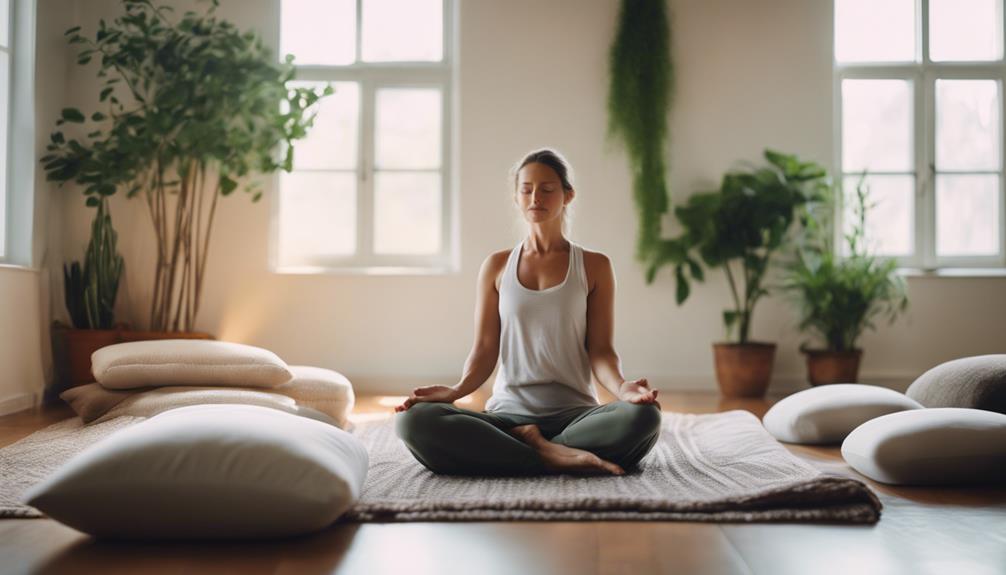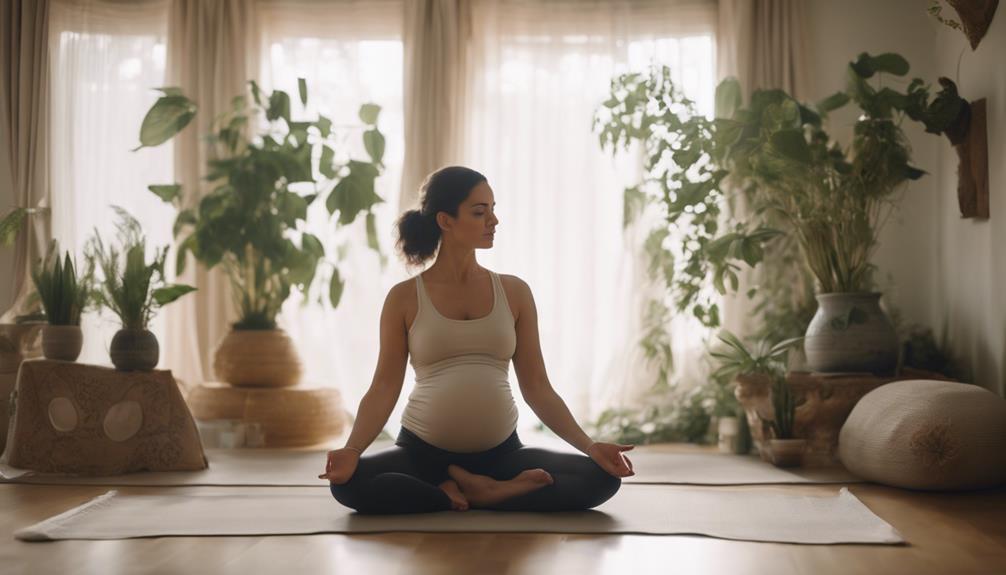
A meditation weekend offers a deliberate pause from everyday demands. With fewer distractions and more time for practice, you can explore meditation in greater depth, reconnect with your body and breath, and return home with habits that support greater steadiness. A weekend retreat can suit complete beginners as well as experienced practitioners, provided the programme matches your needs and expectations. Extend your meditation weekend with upcoming yoga workshops that deepen mindful movement and community connection.
Start with your intention
Before choosing a retreat, consider what you want from the experience. You may be looking for quiet and rest, an introduction to meditation, guidance in a particular technique, or time away from screens and routine responsibilities. Some weekends focus almost entirely on seated and walking meditation, while others combine meditation with yoga, mindful movement, talks, or reflective activities.
Your intention does not need to be ambitious. Wanting to slow down, observe your thoughts, or create space for recovery is enough. A clear sense of purpose can help you compare programmes without being distracted by impressive-sounding descriptions.
What a meditation weekend may include
Most structured retreats follow a timetable that alternates formal practice with meals, rest, movement, and instruction. Sessions may include:
- Seated meditation focused on the breath, body sensations, or open awareness
- Walking meditation and other forms of mindful movement
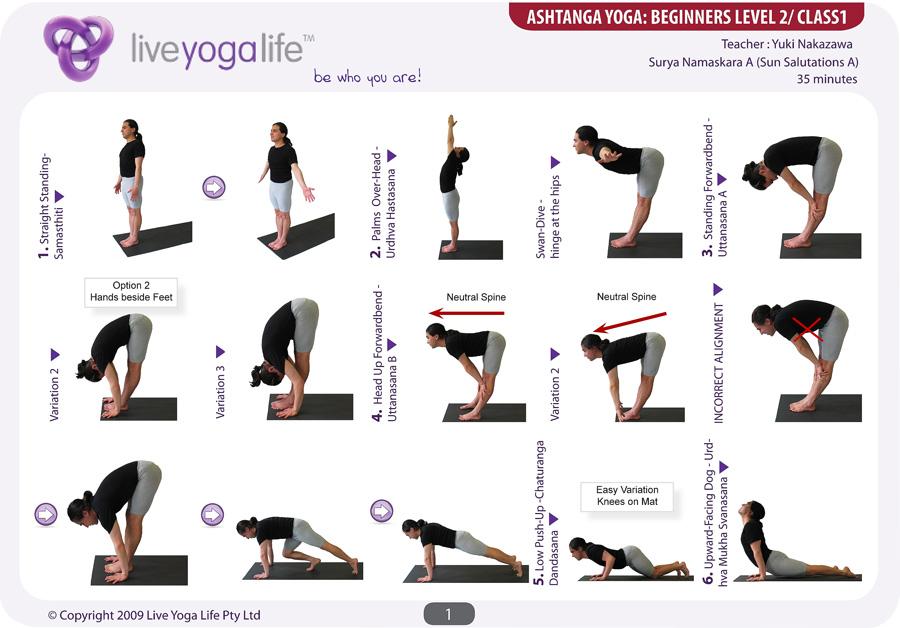
- Yoga or gentle physical practice
- Short talks, group discussions, or opportunities to ask questions
- Meals eaten at a slower pace and with greater attention
- Periods of quiet or limited phone use
A schedule may feel simple, especially at first. Repeatedly returning attention to an ordinary experience such as breathing or walking can reveal how often the mind wanders and how it responds to discomfort. The purpose is not to force the mind to become blank. It is to practise noticing what is happening and returning with patience.
Choosing the right retreat
Look beyond the location and promotional language. Read the programme carefully and check how much time is devoted to formal practice, whether silence is expected, and what level of experience is assumed. Beginners may prefer clear instruction, shorter periods of sitting, and access to a teacher or facilitator. More experienced practitioners may be seeking longer periods of silence or a more intensive schedule.
It is also worth considering the practical setting. Check the accommodation, meal arrangements, travel time, and availability of suitable support for any accessibility or dietary requirements. If you are unsure whether a retreat is appropriate for you, contact the organisers before booking. A well-matched local programme may be more beneficial than a distant or expensive event that does not fit your circumstances.
Finding an affordable option
A meditation weekend does not have to involve a costly destination or specialist accommodation. Community meditation groups, nonprofit organisations, local studios, and community centres may offer weekend programmes at reduced or donation-based rates. Yoga workshops and events can also provide a way to find local teachers and retreat information. Extend your Meditation Weekend with women's retreat options offering supportive reflection, connection, and renewal nearby. Those seeking deeper renewal after Meditation Weekend may appreciate an extended wellness retreat for sustained practice and reflection.
When comparing prices, check what is included. Accommodation, meals, teaching, and travel may be handled separately. If cost is a concern, ask whether the organiser offers a sliding scale, financial assistance, volunteer exchange, or payment plan. Clear communication can reveal options that are not obvious from a booking page.
Preparing for the weekend
Simple preparation makes it easier to settle into practice. Pack comfortable clothing that can be layered, along with any cushion, mat, blanket, or other support you normally use. Bring necessary medication and practical personal items, but avoid overpacking. If phone use will be limited, let family, friends, and colleagues know when you will be unavailable.
Try not to arrive with the expectation that you must achieve a particular state of mind. Restlessness, boredom, emotion, and physical discomfort can all arise during meditation. They are not evidence that you are doing it incorrectly. A curious, non-competitive attitude is usually more helpful than trying to produce a dramatic insight.
Bringing the experience home
The lasting value of a retreat depends partly on what happens afterwards. Before leaving, identify one or two practices that feel realistic in daily life. This might be a brief morning meditation, a mindful walk, a pause before responding in a stressful conversation, or a short period of quiet without your phone.
Writing down useful observations soon after the weekend can help turn them into practical intentions. You might also look for a local practice group, meditation class, or yoga programme that provides ongoing support. Avoid trying to reproduce the entire retreat schedule at home. Small, repeatable actions are more sustainable than a demanding routine that quickly becomes another obligation.
A thoughtful pause, not a performance
A meditation weekend can provide guidance, community, and uninterrupted time to pay attention. Its benefits are not guaranteed, and the experience may be challenging as well as restorative. Choosing a programme that suits your aims, preparing sensibly, and continuing with modest practices afterwards can help the weekend become more than a temporary escape. It can become a practical reminder to make room for awareness in ordinary life.