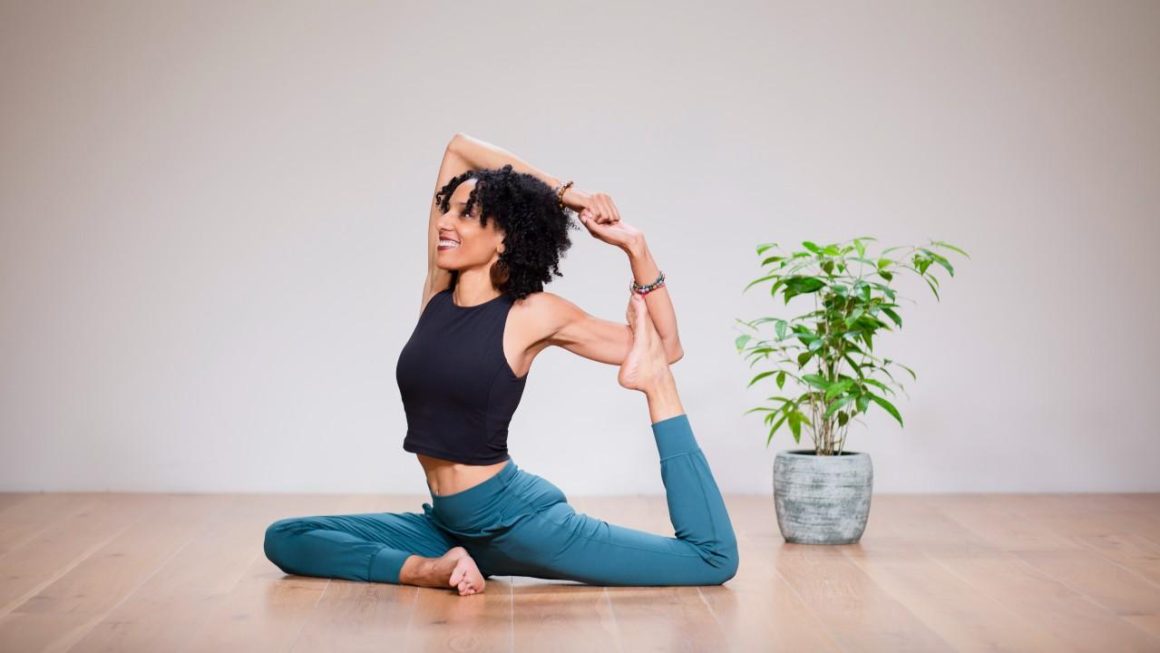

Hot yoga in North Jersey includes several kinds of heated practice, from structured Bikram-style classes to energetic Vinyasa flows and slower sessions designed to build mobility. The heated setting can make class feel more physically demanding than a standard room-temperature practice, so choosing the right format and preparing carefully are important—especially if you are new to yoga or exercise in heat. North Jersey practitioners can explore different yoga styles to complement the intensity of hot yoga sessions.
What makes hot yoga different?
Hot yoga is practiced in a deliberately heated room, with temperatures commonly falling somewhere between 85 and 105 degrees Fahrenheit. The warmth may help some students feel more comfortable moving through stretches, but it also increases sweating, heart rate, and the need to pace yourself. Heat can make a pose feel easier than it actually is, so flexibility should never be forced.
Unlike many Hatha or Iyengar classes, which often place a strong emphasis on alignment, controlled breathing, and holding postures in a room-temperature setting, hot yoga adds an environmental challenge. The class may focus on strength, endurance, mobility, balance, or a combination of these goals.
Types of heated yoga classes
Before booking a class, read the description carefully. “Hot yoga” can refer to different teaching styles and room temperatures.
- Bikram-style yoga: A consistent sequence of 26 postures and two breathing exercises, traditionally practiced in a room heated to about 105 degrees Fahrenheit with humidity. The repeated format appeals to students who prefer a predictable class and the ability to observe gradual changes in their practice.
- Hot Vinyasa: A flowing class that links movement and breath. Sequences vary by instructor and may include transitions, standing work, balance poses, and strength-building exercises.
- Hot power yoga: Usually a more vigorous format focused on muscular endurance, continuous movement, and elevated effort.
- Gentle or restorative heated classes: Slower sessions that may emphasize stretching, breathing, and relaxation. These can be a more approachable starting point for people who are not ready for an intense class.
Finding hot yoga in North Jersey
Studios throughout North Jersey offer different approaches to heated practice, including options in Hoboken and other communities. When comparing locations, look beyond the class name. The room temperature, pace, class length, instructor experience, and availability of modifications can have a significant effect on your experience.
Useful questions to ask include:
- What temperature and humidity should students expect?
- Is the class suitable for beginners?
- Does the instructor explain how to work safely in the heat?
- Are mats, towels, lockers, or water stations available?
- Can the studio accommodate your schedule, transportation, and parking needs?
- Does the studio offer an introductory class or package?
A beginner-friendly class is usually a better first step than selecting the most demanding session on the schedule. If you are interested in Bikram yoga in North Jersey, ask whether the class follows the traditional fixed sequence or uses the term more generally to describe a heated, structured practice. Readers exploring Hot Yoga North Jersey can also discover refreshing hot yoga classes in Alpharetta.
How to prepare for your first class
Drink water regularly before class rather than trying to consume a large amount immediately before entering the room. A light meal several hours beforehand may be more comfortable than practicing soon after eating. Wear lightweight clothing that allows you to move freely, and bring a yoga mat plus an absorbent towel if the studio does not provide them.
Arrive early enough to check in, set up, and tell the instructor that you are new to heated yoga. During class, take breaks whenever needed. You can rest in a comfortable position, sit down, or leave the room briefly if you feel unwell. There is no benefit to treating the heat as a test of endurance.
Benefits and safety considerations
Many students choose hot yoga because it combines physical effort with focused breathing and a strong sense of routine. Depending on the class, practice may support mobility, balance, muscular endurance, and cardiovascular conditioning. Some people also find that concentrating on breath and movement helps them manage daily stress.
Heat can also contribute to dehydration, dizziness, nausea, headache, or unusual fatigue. Stop practicing and seek assistance if you feel faint, confused, or significantly unwell. Avoid pushing deeper into a posture simply because your muscles feel warm. If you are pregnant, have a cardiovascular condition, blood-pressure concerns, or another medical issue, speak with a qualified healthcare professional before beginning heated exercise.
Choosing the right North Jersey studio
The best hot yoga North Jersey option is the one that matches your experience, physical goals, schedule, and comfort with heat. A consistent Bikram-style sequence may suit someone who values structure, while hot Vinyasa or power yoga may be a better fit for someone who enjoys variety and continuous movement. Starting with an introductory class, asking questions, and building tolerance gradually can help you develop a sustainable practice.