Community yoga classes can make it easier to begin or maintain a practice without the cost, formality, or pressure sometimes associated with commercial studios. Local sessions may take place in parks, community centers, libraries, recreation facilities, or other neighborhood spaces. Some are free, while others ask for a voluntary donation or charge a modest fee. Explore local yoga options to find nearby community classes that fit your schedule and experience level.
The best option depends on your schedule, experience, budget, and comfort level. With a little local research, you can find a class that supports movement and relaxation while also helping you connect with people in your area.
Why choose a community yoga class?
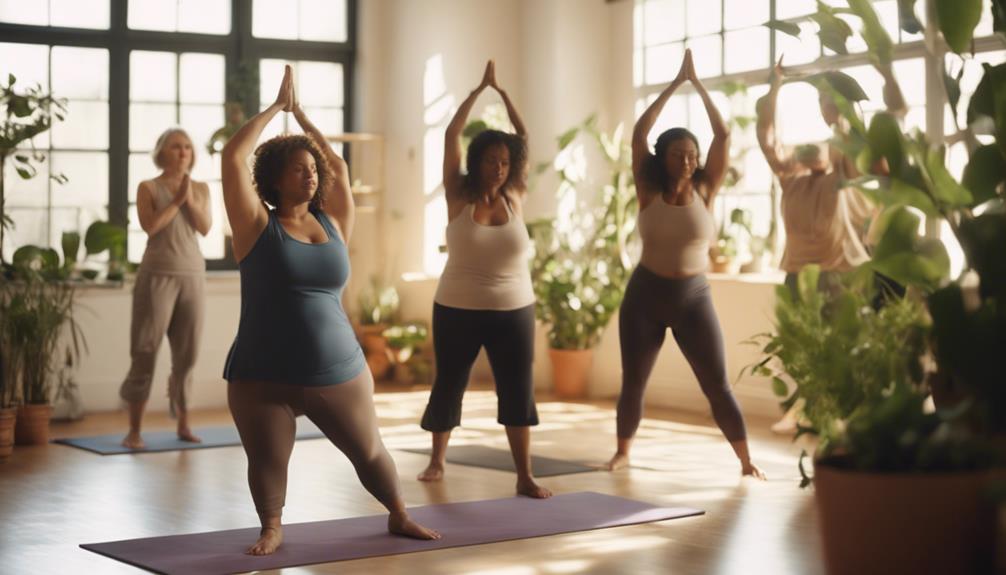
Community classes generally focus on making yoga approachable for a wide range of participants. Instead of assuming that everyone has the same level of flexibility or experience, instructors may offer different versions of a pose, explain the basics, and encourage participants to work at their own pace.
Many people are drawn to these classes because they offer:
- A lower-cost way to try yoga
- A welcoming setting for beginners
- Opportunities to practice with neighbors
- Classes in familiar public or neighborhood locations
- A supportive alternative to exercising alone
- Flexible options, including occasional outdoor or pop-up sessions
Community yoga may also be a good fit if you want a regular activity that supports relaxation, mobility, and a sense of connection. The atmosphere can vary, so visiting more than one class may help you find the right match.
Where to look for local classes
Start with a local search using phrases such as “community yoga classes near me,” “community yoga near me,” or “free yoga classes near me for beginners.” Then look beyond general search results. Useful sources of local information include:
- City parks and recreation websites
- Community center and library calendars
- Neighborhood newsletters and bulletin boards
- Nonprofit organization event pages
- Local social media and community groups
- University recreation centers that offer public sessions
- Event platforms and local wellness directories
Word-of-mouth can be especially helpful. Ask neighbors, friends, or staff at nearby community spaces whether they know of a recurring class. Smaller programs may have limited online promotion but still meet on a consistent schedule.
Finding free and beginner-friendly yoga
A class described as free may be supported by a community organization, grant, volunteer instructor, or a donation model. Read the event details carefully so you know whether registration is required, donations are suggested, or space is limited.
Beginner-friendly sessions commonly introduce foundational poses, breathing, and gentle transitions. The instructor may demonstrate modifications or suggest props such as blocks and straps. If you are unsure about the pace, contact the organizer before attending or arrive early to ask a few questions. For nearby options, explore our clases de yoga cercanas directory to find welcoming sessions in your area.
Do not assume that “free” means the class is informal or unstructured. Check the description for the expected experience level, class length, location, and any equipment requirements. If a session does not feel suitable, another community class may offer a gentler or more accessible approach.
What to bring and how to prepare
For most classes, comfortable clothing and a yoga mat are enough. You may also want to bring water and a light layer, particularly for outdoor sessions or rooms that change temperature during practice. Ask in advance whether mats or shared props are available.
Arriving a few minutes early gives you time to sign in, choose a spot, and tell the instructor about any injuries, limitations, or concerns. During class, move within a comfortable range and use offered modifications rather than forcing a position. If an instruction is unclear or a movement causes pain, pause and ask for guidance.
Basic etiquette helps keep the environment comfortable for everyone:
- Silence your phone before class begins.
- Leave enough space between mats.
- Follow any sign-in, cleanup, or equipment instructions.
- Respect different experience levels and abilities.
- Contribute a donation if you are able and the program requests one.
Choosing a class you will actually attend
Convenience matters. Search by time of day, day of the week, class style, and location. For example, add terms such as “morning,” “weekend,” “outdoor,” “gentle,” or “community center” to your search. If you need an accessible location or have specific mobility needs, contact the organizer before booking.
Schedules may change with the season. Outdoor classes can move indoors, and occasional sessions may be announced through newsletters or social media rather than permanent listings. Once you find a promising program, follow its updates so you can confirm dates, locations, and registration details before attending.
Building a local routine
Community yoga works best when the class fits naturally into your routine. Try one session first, then decide whether the pace, teaching style, location, and group atmosphere suit you. A consistent weekly class can provide structure, while occasional sessions may be a better choice if your schedule changes frequently.
Whether you are looking for free yoga classes for beginners or a regular practice close to home, local community programs offer a practical way to explore yoga in a friendly setting. Search widely, check the details, and choose a class where you feel comfortable learning at your own pace.