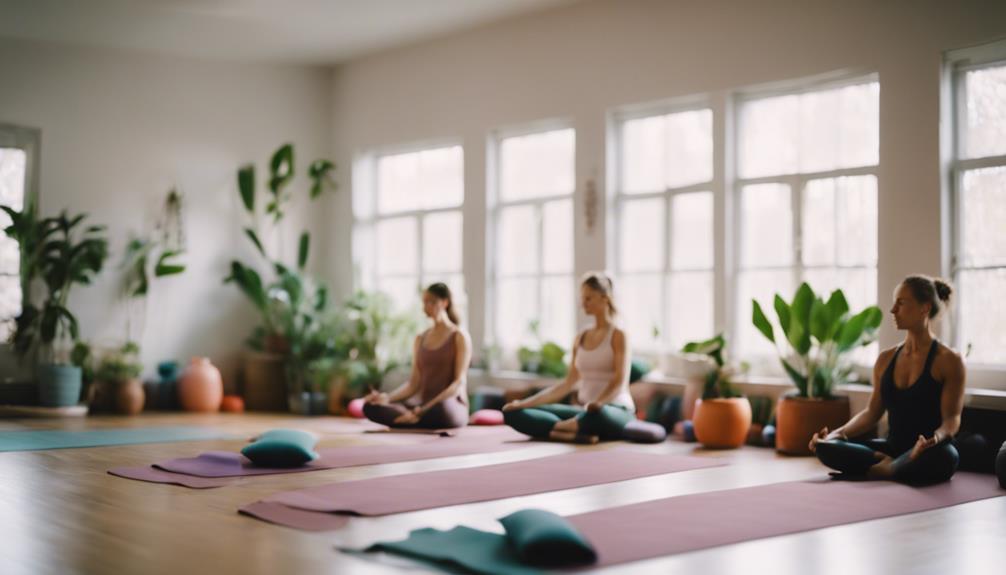
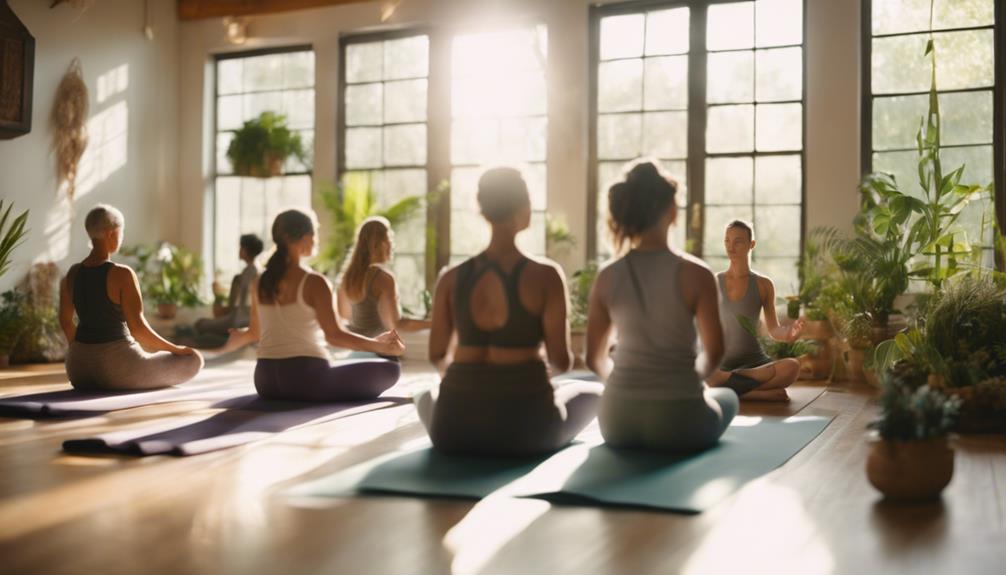
The lumbar spine is the lower section of the back, between the rib cage and pelvis. It is designed to move, support body weight, and help transfer force between the upper and lower body. Healthy alignment does not mean keeping the back completely straight. The lumbar region naturally has a gentle inward curve, and the most useful goal is a balanced, comfortable position that can be maintained without excessive tension. Yoga can support spinal alignment and improve mobility, complementing efforts to maintain a healthy and properly positioned lumbar spine.
What balanced lumbar alignment means
The position of the pelvis has a major influence on the lower back. When the pelvis tips too far forward, the lumbar curve may become more pronounced. When it tucks strongly underneath the body, the curve may flatten. Neither position is automatically harmful, but holding either one for long periods can become uncomfortable, especially when combined with prolonged sitting, repetitive bending, or uneven lifting.
Rather than trying to force the spine into one ideal shape, focus on an adaptable alignment:
- Keep the rib cage comfortably stacked over the pelvis.
- Allow the natural curve of the lower back without exaggerating it.
- Distribute weight evenly through both feet when standing.
- Use gentle abdominal and hip support instead of gripping the lower back.
- Change position regularly rather than searching for one posture to hold all day.
How daily posture can affect back comfort
Lower-back discomfort is often influenced by the activities and positions repeated throughout the day. Sitting for extended periods, leaning to one side, bending repeatedly, or carrying a load on one side can make the muscles around the hips and lumbar spine work harder. Stiff hips, limited upper-back movement, and reduced strength in the glutes or trunk may also affect how movement is shared across the body.
Yoga can help develop awareness of these patterns. Slow, controlled movement makes it easier to notice when the pelvis shifts, the ribs flare, or the lower back takes over work that could be shared with the hips and trunk. This awareness can then be applied to standing, walking, lifting, and desk-based activities.
Gentle yoga movements for lumbar support
Use a pain-free range of motion and move slowly. The following movements can be adapted with a folded blanket, block, or bolster for comfort.
Cat-cow movement
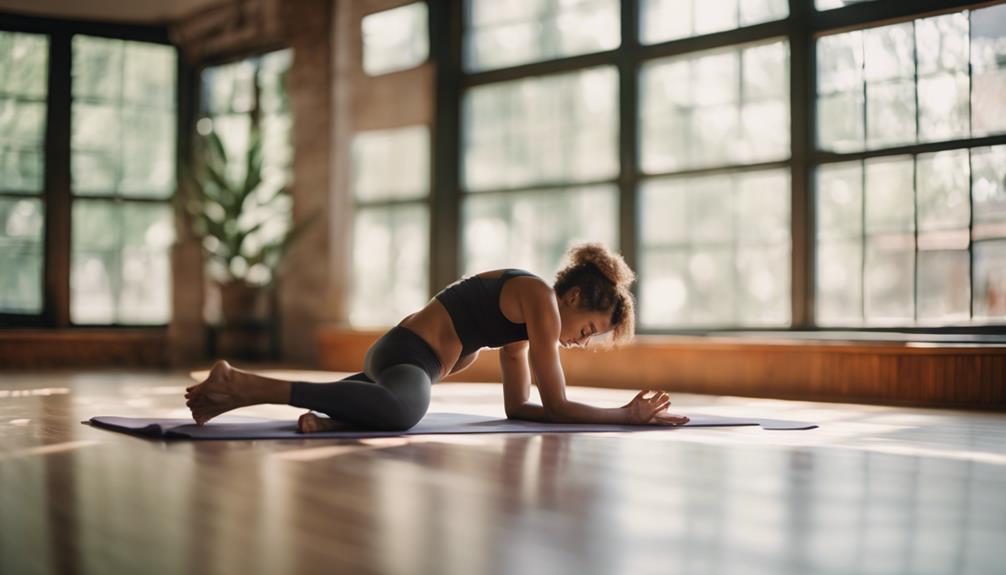
Start on the hands and knees with the hands beneath the shoulders and knees beneath the hips. Slowly alternate between a gently rounded spine and a gently extended spine. Move through the entire back rather than forcing movement into the lower spine. This exercise introduces controlled spinal mobility and can be useful as a warm-up.
Bridge pose
Lie on your back with the knees bent and feet comfortably placed on the floor. Press through the feet and lift the pelvis only as high as you can without pinching the lower back. Keep the knees tracking forward and lower with control. Bridge pose emphasizes the glutes and the muscles that help support the pelvis. A gentle Yogalates sequence can complement lumbar alignment work by building core strength and mobility in just twenty minutes.
Sphinx or supported cobra
Lie on the stomach and place the forearms beneath the shoulders for sphinx pose, or use the hands for a very low cobra. Lengthen through the crown of the head and keep the front ribs from pushing sharply forward. The movement should feel broad and controlled, not compressed in the lumbar area. Skip this option if extension increases symptoms.
Supine hamstring stretch
On your back, raise one leg and hold behind the thigh or use a strap around the foot. Keep the opposite leg relaxed and avoid pulling the raised leg beyond a comfortable stretch. Improving leg and hip mobility may make it easier to move without repeatedly straining the lower back, but stretching should never produce sharp or radiating pain.
Supported rest positions
A supported child’s pose, constructive rest with the lower legs on a chair, or a comfortable side-lying position may help reduce muscular guarding. These positions are intended for relaxation, not forceful “decompression.” Slow breathing can help release unnecessary tension while you remain attentive to how your back feels.
When tightness is mainly on one side
Lower right back tightness may be related to a local muscle strain, repeated one-sided habits, hip stiffness, or compensation for discomfort elsewhere. It is not possible to identify the cause from location alone. Work both sides evenly, avoid aggressive twisting, and try gentle movements such as supported knee-to-chest variations, easy pelvic tilts, or a mild side stretch. Heat and rest from aggravating activity may be comfortable for some people, but do not use them as a substitute for assessment when symptoms persist.
Build a sustainable routine
A brief, regular practice is generally easier to manage than occasional intense sessions. Begin with several minutes of easy movement, continue with one or two strengthening exercises such as bridge, and finish with a supported resting position. Outside practice, adjust your workstation where possible, stand and move at regular intervals, and avoid remaining in one posture simply because it feels “correct.” Progress gradually and judge exercises by how your symptoms respond during and after practice.
When to seek professional guidance
Stop an exercise and seek medical advice for severe or worsening pain, numbness, weakness, pain that travels down a leg, or symptoms following a significant injury. Persistent back pain also deserves professional assessment. A qualified healthcare professional, physical therapist, or appropriately trained yoga therapist can help identify aggravating movements and adapt a program for conditions such as disc problems or significant spinal changes.
The aim is not to hold the lumbar spine rigid. It is to develop comfortable movement, balanced strength, and the confidence to change position when needed.