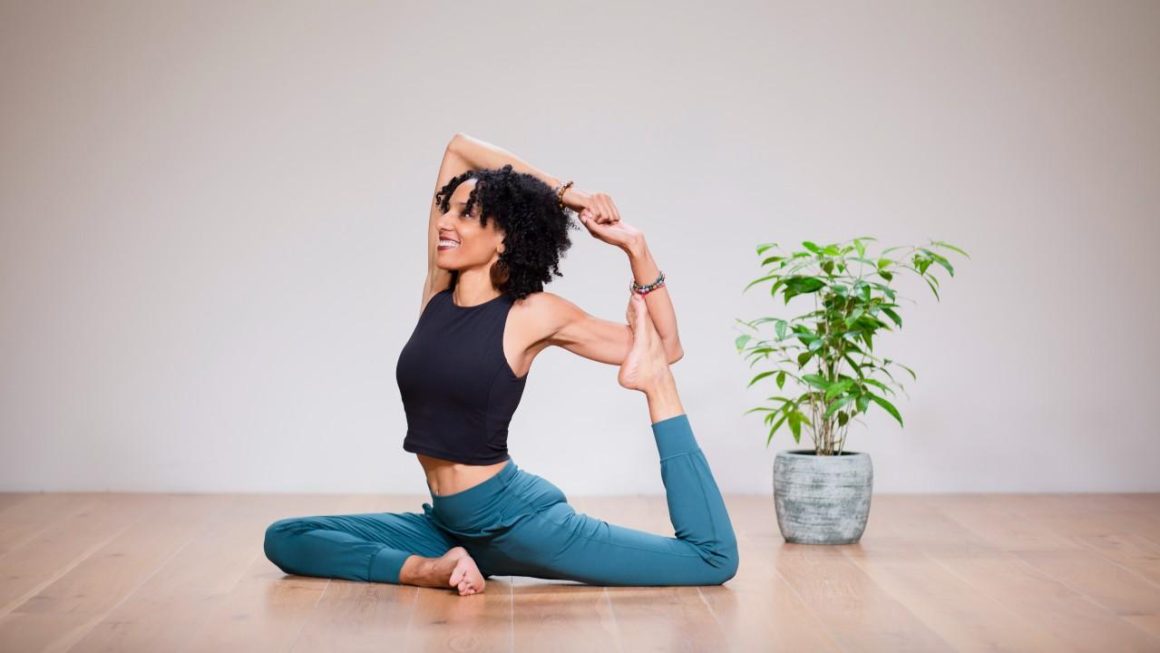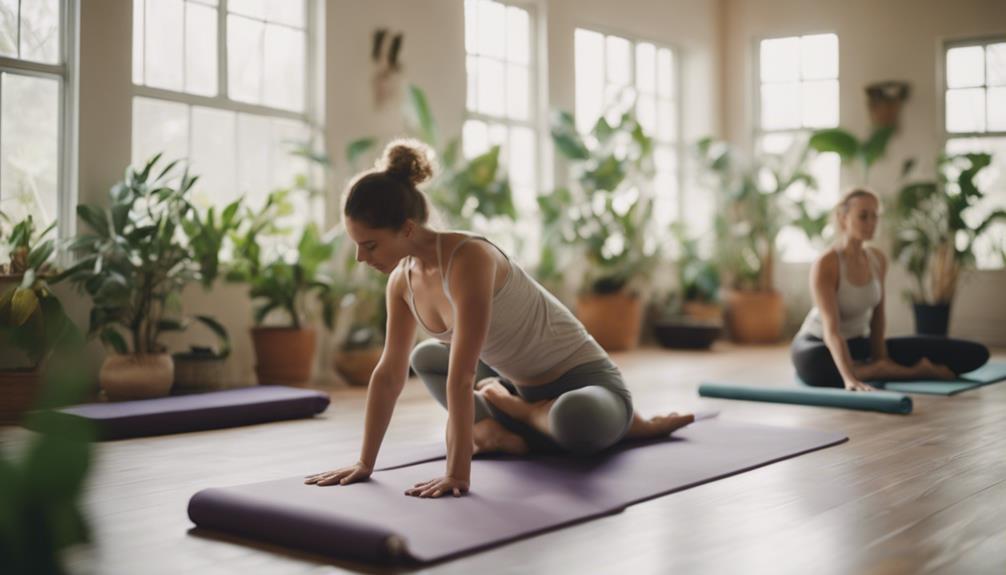
Heated vinyasa yoga combines flowing movement, breath-led transitions, and a deliberately warm studio environment. For many people, the heat makes the practice feel more vigorous and encourages a focused, inward-looking experience. Because studios differ in temperature, teaching style, class length, and intensity, taking a little time to compare options can help you choose a class that feels challenging without becoming overwhelming. If heated Vinyasa appeals to you, explore yoga styles to find practices matching your goals.
What is heated vinyasa yoga?
Vinyasa yoga links postures together in a continuous sequence, with the breath helping to set the pace. In a heated class, that sequence takes place in a warm room. The temperature may vary from one studio to another, so “heated” does not describe one universal format.
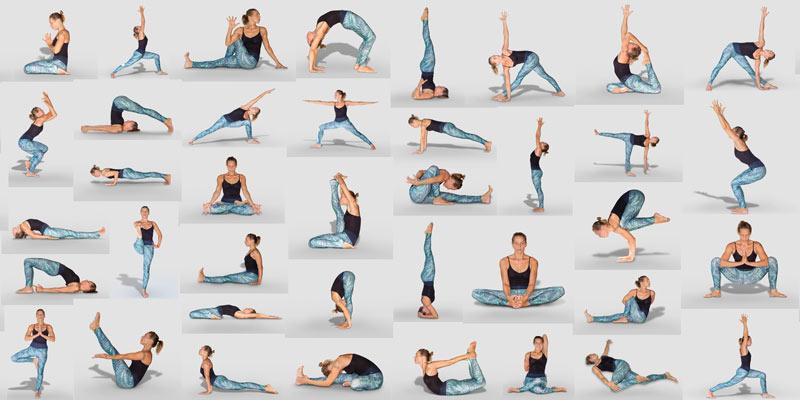
Classes commonly include centering, breath awareness, sun salutations, standing poses, balance work, strengthening sequences, hip and shoulder openers, and a final rest. The sequence is usually adaptable rather than fixed. Teachers may offer several versions of a pose so that newer students and experienced practitioners can work at an appropriate level.
How it differs from other hot yoga classes
Terms used by studios can overlap, but these general distinctions may help when you are comparing class listings:
- Heated vinyasa: A breath-led flow with creative or changing sequences practiced in a warm room.
- Hot flow: Often similar to heated vinyasa, although the pace, room temperature, music, and sequencing depend on the studio.
- Warm yoga: Usually indicates a gentler class or a lower level of heat, but the exact format should be confirmed with the provider.
- Bikram-style classes: Generally associated with a prescribed sequence of postures and breathing exercises rather than a continuously changing vinyasa flow.
If you prefer variety and transitions, heated vinyasa may be a good fit. If you want a predictable sequence, a more structured hot-yoga format may suit you better.
What to expect during class
A typical session begins slowly, giving you time to settle into the room and notice your breathing. The pace may then build through flowing sequences and standing postures before gradually moving toward floor-based stretches and relaxation. The teacher may demonstrate options for modifying a pose, resting in child’s pose, or slowing down between sequences.
Expect to sweat and bring a towel, water, and a mat with reliable grip. Some studios provide props or mat towels, while others ask students to bring their own. Check the studio’s arrival instructions before attending, particularly if you are booking a drop-in class today or looking for yoga classes tonight near you.
Potential benefits and important precautions
Regular vinyasa practice can develop body awareness, movement coordination, strength, mobility, and breath control. The added warmth may make movement feel more fluid, while the sustained flow can create a physically demanding workout. Many students also value the concentration required to coordinate movement and breathing in a warm environment. After heated vinyasa nearby, continue practicing at home with free yoga videos for convenient flexibility.
Heat can make it harder to judge how intensely you are working. Drink fluids regularly, avoid arriving after a heavy meal, and take breaks before you feel depleted. Leave a posture if you feel sharp pain, dizziness, nausea, unusual shortness of breath, or confusion. Anyone with a medical condition, a history of heat-related illness, or concerns about exercising in a heated room should ask a qualified healthcare professional for advice before attending.
How to choose a heated vinyasa studio
When searching for “heated vinyasa yoga near me,” look beyond the class name. Studio websites and booking pages may provide useful details about:
- Room temperature and ventilation practices
- Class length and stated intensity
- Options for beginners or students returning after a break
- Teacher experience and available modifications
- What equipment is supplied
- Cancellation, arrival, and introductory-class policies
Reading the class description can also help you distinguish a steady, alignment-focused flow from a fast-paced athletic session. If the description is unclear, contact the studio and ask whether the class is appropriate for your experience level.
Preparing for your first class
Before you go
Hydrate during the day, wear comfortable clothing that allows unrestricted movement, and arrive early enough to set up without rushing. Tell the teacher about injuries or limitations before class begins. A small, familiar meal or snack may be more comfortable than attending immediately after eating heavily.
During practice
Work with steady breathing instead of trying to match the most advanced student in the room. Use props and modifications, rest whenever necessary, and remember that greater flexibility is not the goal of every pose. A successful heated vinyasa practice is one in which you remain aware of your body and respond appropriately to its signals.
Whether you are comparing hot yoga studios, searching for a class near you today, or planning an evening session, the best choice is one with clear information, supportive instruction, and a heat level you can manage comfortably.