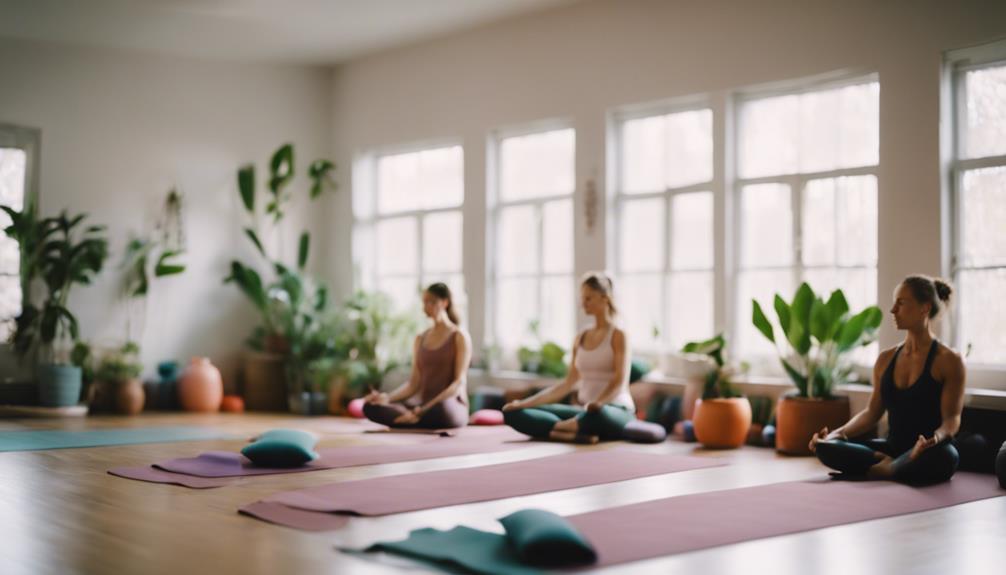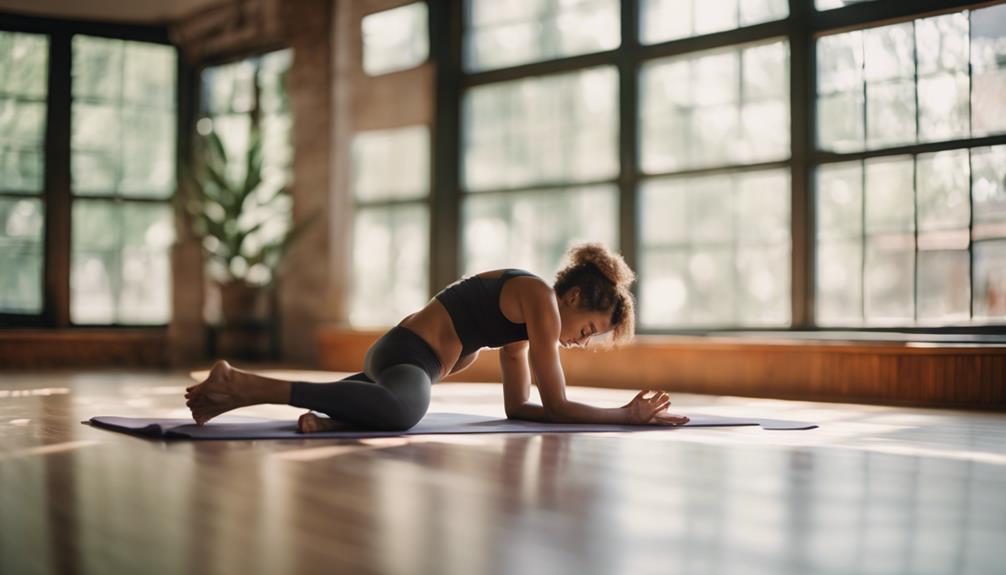
The purpose of yoga can be different for each person. Some people practise to become stronger or more flexible, while others want to manage stress, improve concentration, sleep more comfortably, or reconnect with their bodies. Yoga can support these goals because it brings together physical postures, breathing practices, focused attention, and, in some traditions, meditation and ethical principles. Understanding yoga’s purpose becomes more meaningful when exploring the health benefits of yoga for everyday wellness.
Rather than viewing yoga as only a form of stretching, it is more useful to see it as a collection of practices that can be adapted to different needs. Your goals will help determine which parts of yoga deserve the most attention.
What is the purpose of yoga?
Traditionally, yoga has been understood as a holistic discipline involving the body and mind. Modern classes often focus on postures and movement, but many also include breathwork, relaxation, or meditation. This combination gives yoga a broader purpose than physical exercise alone.
For one person, yoga may provide a way to build body awareness and improve movement. For another, it may create a quiet break from a demanding day. With regular practice, these elements can work together to encourage greater balance, focus, and resilience.
Physical benefits of yoga
Yoga poses require controlled movement, stability, and awareness of alignment. Over time, a consistent practice may help support:
- Flexibility and joint mobility
- Core and muscular strength
- Balance and coordination
- Posture and body awareness
- Reduced stiffness associated with sedentary routines
- Movement confidence during recovery or physical rehabilitation
Some forms of yoga are physically demanding, while others are slower and more restorative. Active sequences can contribute to general conditioning, whereas gentle practices may be more appropriate when the priority is relaxation, mobility, or careful movement. Yoga can also complement other activities, including strength training and athletic exercise, by encouraging attention to balance, flexibility, and recovery.
How yoga affects the mind
Yoga’s mental benefits are closely connected to its emphasis on breathing and attention. Following the breath during movement can help interrupt automatic patterns of tension and distraction. Quiet practices, such as restorative postures or short meditations, may offer a practical way to settle the mind.
People often use yoga to support stress management, emotional regulation, and concentration. A session may leave you feeling more relaxed in the short term, while regular practice can help develop habits of pausing, noticing physical sensations, and responding more deliberately. These skills may be useful during periods of anxiety, chronic stress, or emotional strain.
Yoga, breathing, and the body’s stress response
Breath-focused yoga gives you a structured way to pay attention to breathing patterns. Slow, deliberate breathing and relaxation practices can influence how the body responds to stress and may support a calmer state before sleep or during a demanding day. Exploring yoga and flexibility explains how regular poses can gradually improve your range of motion.
Yoga also develops proprioception, or awareness of where the body is positioned and how it is moving. Improved awareness can contribute to better balance and coordination. These changes are especially valuable for people who spend much of the day sitting, move with limited confidence, or want to maintain physical awareness as they age.
Why do people practise yoga?
There is no single reason to begin. Common aims include:
- Reducing everyday stress and tension
- Improving flexibility, strength, or balance
- Supporting better posture and movement habits
- Managing stiffness or ongoing discomfort
- Encouraging relaxation and more mindful sleep routines
- Improving focus and body awareness
- Adding a low-impact mind-body activity to a broader health routine
Identifying your main reason for practising makes it easier to choose an appropriate style and set realistic expectations. Yoga may be one useful part of a health plan, but it does not need to meet every fitness or wellbeing goal by itself.
Choosing a practice that matches your goal
If you want a more active physical practice, hatha or vinyasa classes may provide opportunities to work on strength, mobility, and coordination. If relaxation or stress reduction is the priority, consider gentler postures, restorative sequences, breathing exercises, and brief meditation.
Beginners can benefit from guided instruction that explains technique and encourages safe, controlled movement. Anyone returning from an injury or managing a health concern should choose movements carefully and adapt poses when necessary. Consistency matters more than forcing an advanced routine: a short, attentive practice performed regularly can be more useful than an occasional session that leaves you overtired or uncomfortable.
The lasting value of yoga
The purpose of yoga is not instant transformation. Its value comes from repeatedly practising awareness, movement, breathing, and relaxation. Over time, those practices may support a stronger and more mobile body, a clearer relationship with stress, and greater attention to how you feel from one day to the next.
Whether your goal is physical conditioning, emotional balance, improved focus, or simple relaxation, yoga works best when its methods are matched to your needs and included consistently in your wider approach to health.