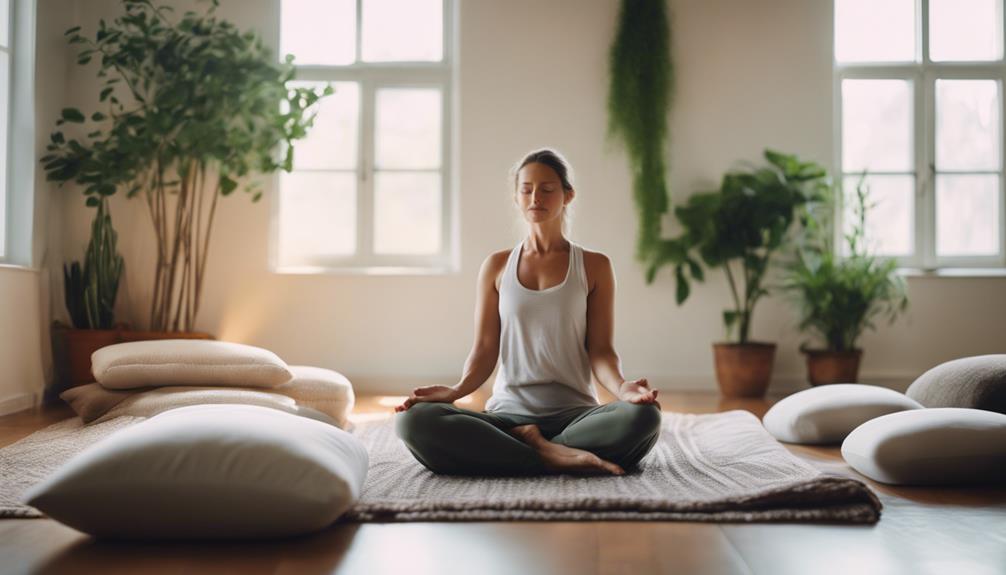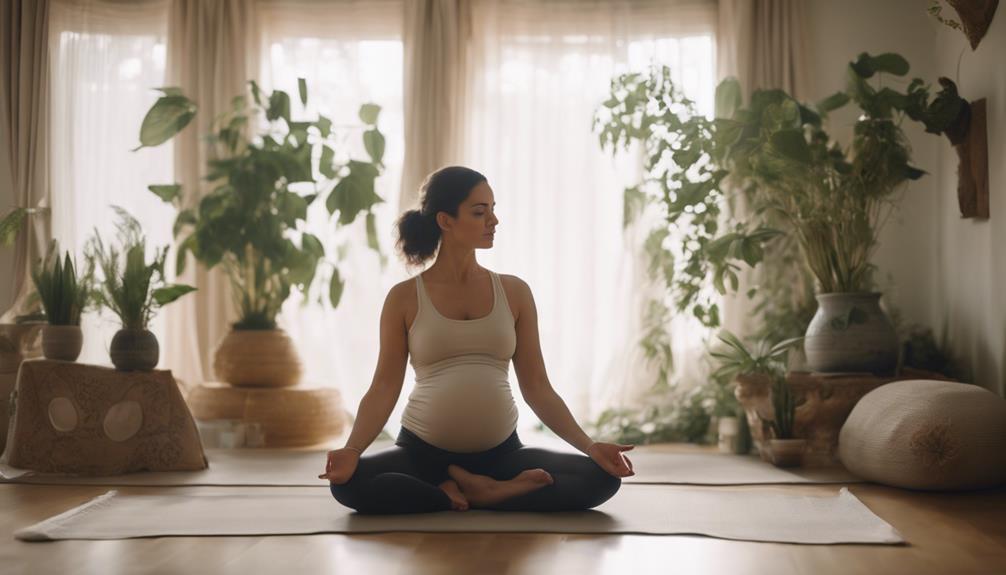
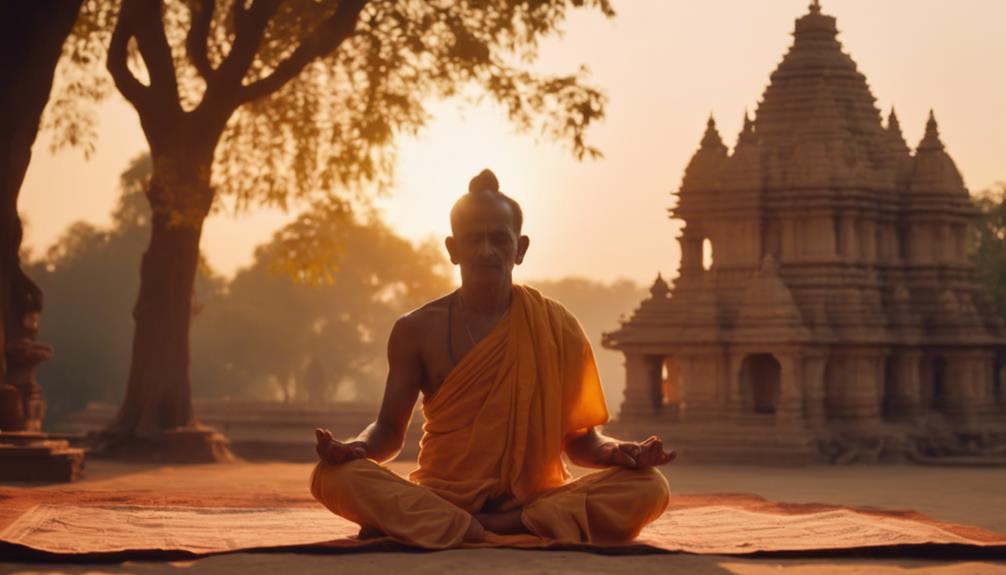
A month-long wellness retreat offers more than a brief break from daily responsibilities. The extended format creates room to rest, establish supportive routines, deepen a yoga practice, and reflect without rushing from one activity to the next. For people interested in yoga, meditation, spiritual exploration, or holistic well-being, several weeks of consistent practice can provide a stronger foundation than a weekend getaway. Extend your month-long wellness retreat experience through restorative yoga workshops that deepen daily practice and connection.
What makes a month-long retreat different?
A longer stay gives participants time to move beyond an introductory experience. The first days may involve settling in, adjusting to a new schedule, and learning the retreat’s approach. As the weeks progress, sessions can build on earlier lessons, allowing participants to revisit techniques, ask questions, and notice how their practice develops.
Continuity is especially valuable when the retreat includes regular yoga classes and workshops. Repeated instruction can support gradual learning in areas such as alignment, breath awareness, restorative practice, meditation, and mindful movement. The additional time also allows for rest and personal reflection between scheduled activities rather than treating every session as a separate event.
A typical rhythm at a wellness retreat
Each program has its own schedule, but a balanced month-long wellness retreat generally combines structure with unplanned time. A day may include:
- Morning yoga, breathwork, or meditation
- Workshops focused on alignment, sequencing, mobility, or restorative techniques
- Quiet periods for rest, journaling, walking, or independent practice
- Group discussions, educational talks, or guided reflection
- Gentle evening classes or other calming activities
Some retreats also offer optional events such as consultations, contemplative practices, sound-based sessions, or periods of silence. These activities should complement the core program rather than leave participants feeling over-scheduled. Ask for a sample timetable before booking so you can understand how much time is devoted to teaching, personal space, meals, and recovery.
How yoga workshops can develop over several weeks
In a well-organized retreat, workshops are presented as a connected series rather than isolated classes. Early sessions may introduce foundational postures, safe movement principles, and breath techniques. Later sessions can revisit those foundations with more detailed adjustments or explore restorative and contemplative applications.
This progressive structure can be useful for both newer and experienced practitioners. Beginners have time to become familiar with the basics, while returning students may benefit from refining technique and receiving individual guidance. If you have an injury, health concern, or physical limitation, find out how instructors adapt practices and whether private consultations are available.
Choosing the right month-long wellness retreat
Start by identifying what you want from the experience. Your priorities might include physical recovery, stress reduction, spiritual inquiry, teacher development, or simply uninterrupted time away from routine. The best choice is one whose teaching style, schedule, and setting support those intentions. Those seeking a shorter reset may find a spiritual weekend retreat complements an extended wellness stay.
Before committing, review the program carefully and ask questions about:
- The retreat’s goals, daily schedule, and balance of activity and free time
- Instructor experience and the level of personal guidance provided
- How classes are adapted for different abilities and physical needs
- Accommodation, meals, dietary options, and accessibility
- Health, safety, emergency, and participant-support procedures
- Cancellation terms, total costs, and what is or is not included
If possible, attend a shorter workshop or introductory event first. This can help you assess the teaching approach, group atmosphere, and suitability of the practices before making a month-long commitment.
Preparing for an extended stay
Practical preparation can make the transition easier. Arrange time away from work, manage bills and household responsibilities, organize pet care, and confirm travel documents well in advance. Pack comfortable clothing, supportive footwear, personal toiletries, and any yoga props you prefer to use. A journal can be useful for recording observations without turning the retreat into another performance goal.
It is also helpful to establish modest expectations. A retreat may bring periods of calm as well as uncertainty, homesickness, fatigue, or difficult emotions. You do not need to force a breakthrough or participate in every optional activity. If you are working through significant emotional or physical concerns, speak with an appropriate healthcare professional before attending and learn what support the retreat can realistically provide.
Creating a gentle return-home plan
Returning to ordinary responsibilities can feel abrupt after several weeks of structured practice. Before leaving, decide which parts of the retreat are realistic to maintain. This might mean a short daily yoga routine, regular meditation, a weekly class, or scheduled time for quiet reflection rather than attempting to copy the entire retreat timetable.
Allow space for gradual integration. Notes from workshops, follow-up sessions with a teacher, and support from a trusted community can help you turn temporary inspiration into sustainable habits. The purpose of a month-long wellness retreat is not to remain permanently removed from everyday life, but to return with clearer priorities and practices that can fit into it.