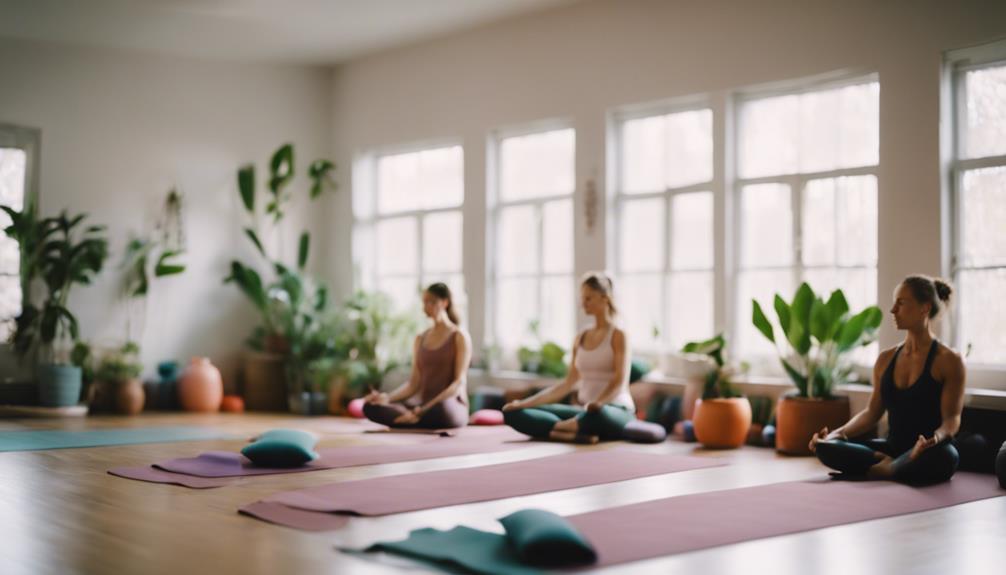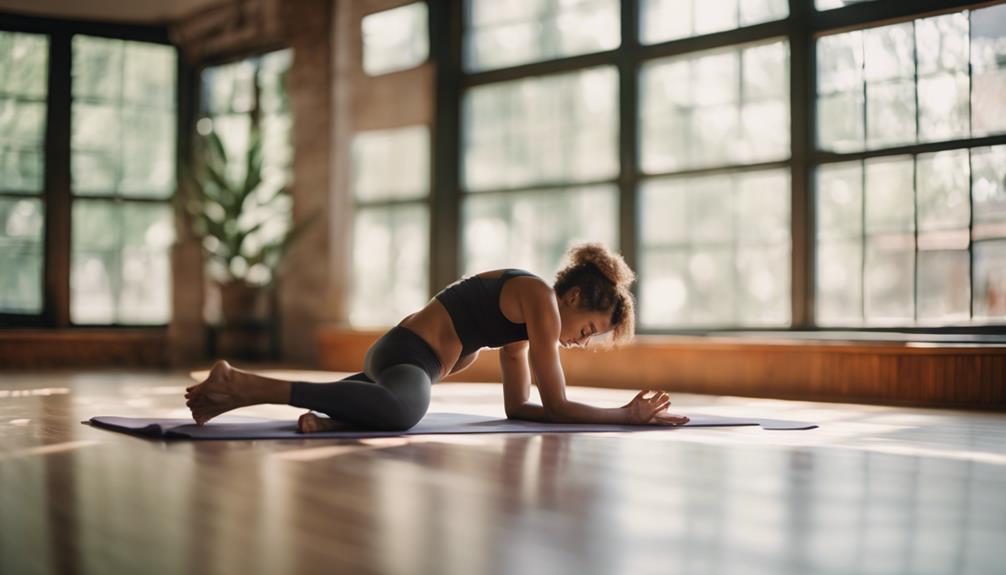
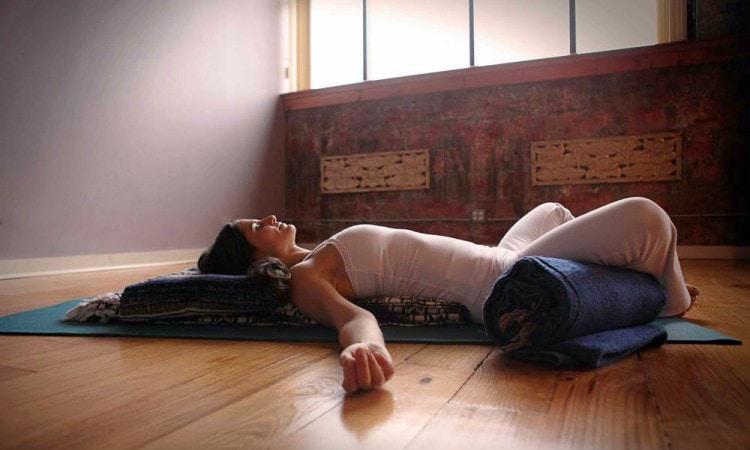
Yoga can be a practical way to support a healthier body while developing greater awareness of how you move, breathe, and recover. Its combination of physical postures, controlled movement, breathing, and relaxation can complement many fitness routines. Whether you are a beginner or returning to practice, the most useful approach is consistent, gradual, and suited to your current abilities. Explore broader health benefits of yoga to complement these practices and support a stronger, healthier body.
How yoga supports physical health
A balanced yoga practice works several aspects of physical fitness at once. Holding and moving through postures can build functional strength, particularly in the legs, hips, shoulders, back, and core. Regular stretching and controlled joint movement may also improve flexibility and make everyday activities feel more comfortable.
Yoga encourages attention to posture and alignment, which can be helpful for people who spend long periods sitting or working at a desk. Movements that open the chest, mobilise the spine, and strengthen the muscles around the torso may help counter habits such as rounded shoulders and limited mobility. Slow transitions also develop balance, coordination, and body awareness.
The benefits are not limited to muscles and joints. Breath-focused practice and deliberate relaxation can help reduce mental tension and create a calmer transition into rest. For many people, yoga is most valuable as part of a wider wellness routine that also includes adequate sleep, nutritious food, walking, and other forms of physical activity.
A simple way to begin
New practitioners do not need long or difficult sessions. Start with 15 to 25 minutes, three or four times per week, and focus on learning the basic positions rather than trying to achieve maximum range of motion. A beginner-friendly class or lesson that explains alignment can provide a safer foundation than immediately attempting advanced flows.
Before each session, consider your goal. A morning practice might emphasise gentle mobility and energising standing poses, while an evening session may focus on slower stretches, breathing, and relaxation. Progress by adding time or variety only when the current routine feels controlled and comfortable.
Foundational poses for a well-rounded practice
The following postures can be combined into a simple full-body sequence. Use modifications whenever necessary:
- Mountain Pose: Encourages awareness of standing alignment and posture.
- Warrior poses: Challenge the legs and hips while developing balance and stability.
- Plank: Builds strength through the core, shoulders, and arms. Lower the knees if needed.
- Bridge Pose: Strengthens the back of the body and gently opens the front of the hips and chest.
- Cat-Cow: Moves the spine through a comfortable range and can be useful as a warm-up.
- Seated forward fold: Provides a gentle stretch for the back of the legs when performed without forcing the torso downward.
- Child’s Pose: Offers a resting position that can be used between more active postures.
Gentle twists may also support spinal mobility, but they should be performed without pulling or rotating beyond a comfortable range. The aim is a balanced session that includes strength, mobility, and recovery rather than an assortment of strenuous poses. For a healthier body, explore spine alignment exercises that complement mindful yoga practice and support better posture.
Making yoga part of daily life
Consistency is easier when yoga fits naturally into your schedule. A short sequence after waking can loosen stiff joints and prepare you for the day. During work or study, brief standing stretches, shoulder movements, or mindful breathing can interrupt long periods of sitting. In the evening, slower postures may help signal that it is time to wind down.
You do not need to wait for a full workout window. A few minutes of movement can reinforce better posture and encourage regular breaks. As your practice develops, yoga can complement walking, strength training, cycling, or other activities. Varying the intensity of your sessions and allowing time for recovery can help prevent your routine from becoming excessive.
Safety tips for yoga practice
Yoga should feel challenging at times, but it should not cause sharp, sudden, or worsening pain. Move slowly, breathe steadily, and avoid comparing your range of motion with someone else’s. Flexibility develops gradually; forcing a deeper position can place unnecessary stress on muscles, joints, and connective tissue.
Blocks, straps, folded blankets, and bolsters can make postures more comfortable and help you maintain stable alignment. Warm up before demanding movements, and finish with a gradual cool-down rather than stopping abruptly after intense work.
If you have a significant health condition, recent injury, joint replacement, persistent pain, or other physical limitation, ask a healthcare professional or suitably qualified instructor how to adapt your practice. Extra care may also be needed with positions that affect blood pressure, the spine, or vulnerable joints.
Building a sustainable practice
Yoga for a healthy body is less about mastering difficult poses and more about practising with attention and consistency. Choose movements that support your goals, adjust them to your abilities, and allow rest when your body needs it. Over time, this balanced approach can help develop strength, mobility, balance, relaxation, and a clearer understanding of how your body responds to movement.