Pictures of yoga asanas can make a practice easier to understand, especially when you are learning a new posture or checking your alignment. A clear visual reference shows the general shape of the pose, the position of the hands and feet, and the direction of the spine. Use the guide below as a starting point, moving slowly and adapting each pose to your own ability.
How to Use Pictures of Yoga Asanas
A photograph or illustration is helpful, but it should not be treated as a requirement to copy every detail. Bodies differ in flexibility, strength, proportion, and balance. Study the main points of the posture, then make small adjustments that allow you to breathe comfortably and remain steady.
- Look at the placement of the feet, hands, hips, and shoulders.
- Notice whether the spine is lengthened, rounded, or gently extended.
- Check that the pose appears stable rather than forced.
- Use props or a simpler variation when the full posture is uncomfortable.
- Stop if you feel sharp pain, numbness, or unusual pressure.
Essential Yoga Asanas to Explore
Mountain Pose (Tadasana)
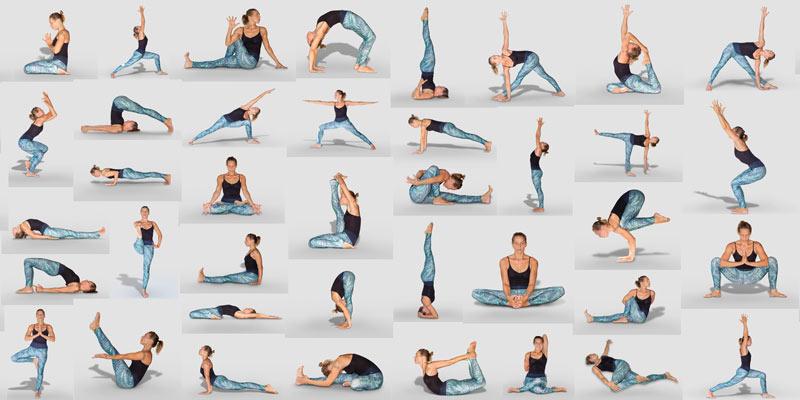
In a picture of Mountain Pose, the practitioner stands tall with the feet grounded, legs active, shoulders relaxed, and arms resting by the sides or reaching upward. The crown of the head rises while the spine remains long. This simple standing posture provides a useful reference for balanced alignment and attentive breathing.
Warrior II (Virabhadrasana II)
Warrior II is shown with the feet positioned apart, the front knee bent, and the arms extended in opposite directions. The torso faces the side while the gaze generally moves over the front hand. The pose is often included in standing sequences because it combines leg work, balance, and focused attention.
Downward-Facing Dog (Adho Mukha Svanasana)
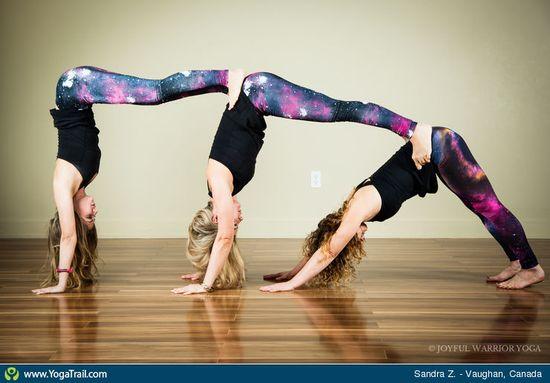
A visual reference for Downward-Facing Dog shows the hands pressing into the floor, the hips lifting upward, and the body forming an inverted V shape. The knees may remain bent if that helps lengthen the back. There is no need to force the heels toward the floor; maintaining a comfortable, supported position is more important.
Child’s Pose (Balasana)
Child’s Pose is commonly pictured with the hips moving toward the heels and the torso resting over the thighs. The arms can extend forward or relax alongside the body. This shape offers a quiet option between more active postures and can be modified by widening the knees or placing support beneath the chest.
Bridge Pose (Setu Bandhasana)
In Bridge Pose, the practitioner lies on the back with the knees bent and the feet placed on the floor. The hips lift while the shoulders and upper back remain grounded. A picture should show the knees tracking in line with the feet and the neck remaining relaxed. Lift only as high as you can without strain.
Seated Forward Bend (Paschimottanasana)
This seated posture is usually shown with the legs extended and the torso folding forward from the hips. The spine does not need to become perfectly flat, and the hands do not need to reach the feet. Bending the knees or using a strap can make the position more accessible while keeping the movement gentle.
Organising Poses by Purpose
Grouping asanas can help you choose pictures that match the kind of practice you want to create:
- Standing poses: Mountain Pose and Warrior II emphasise grounding, stability, and leg strength.
- Seated poses: Seated Forward Bend supports a slower practice focused on mobility and calm attention.
- Balancing poses: Tree Pose and similar postures invite concentration and controlled movement.
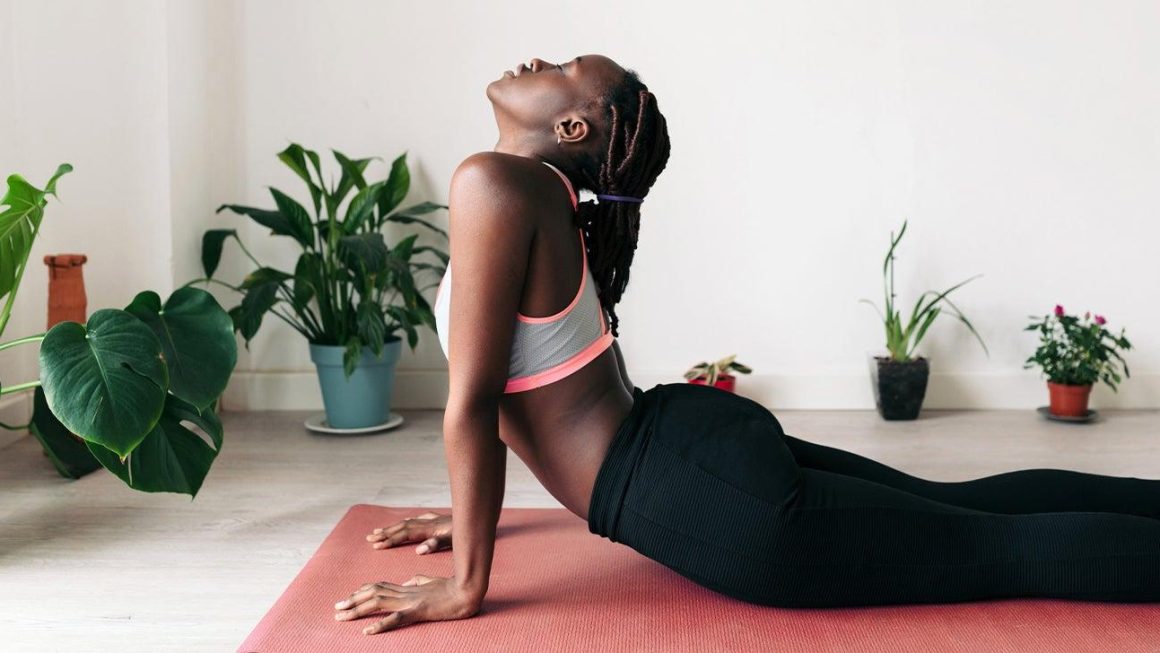
- Backbends: Cobra Pose and Bridge Pose involve gentle extension through the front of the body.
- Restorative poses: Child’s Pose and Legs-Up-the-Wall Pose provide quieter alternatives for rest.
Tips for a Safer Visual Practice
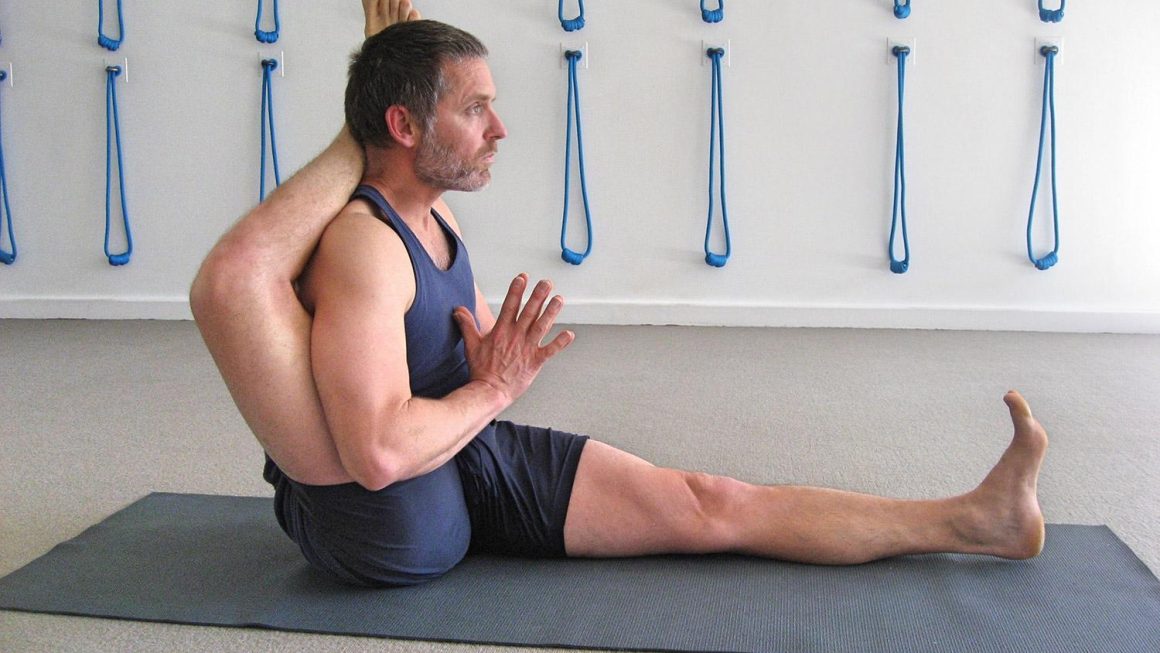
Begin with a short warm-up rather than moving immediately into demanding positions. Wear clothing that allows free movement, practise on a stable non-slip surface, and keep breathing smoothly. If an image shows an advanced variation, start with the basic form instead of trying to match it immediately. Blocks, folded blankets, bolsters, and straps can help you work with better support.
Visual guidance is most useful when combined with body awareness. A posture may look correct from the outside while still feeling unsuitable for you. Move gradually, keep the breath relaxed, and consider guidance from a qualified yoga teacher if you are new to yoga, recovering from an injury, or unsure how to modify a pose.