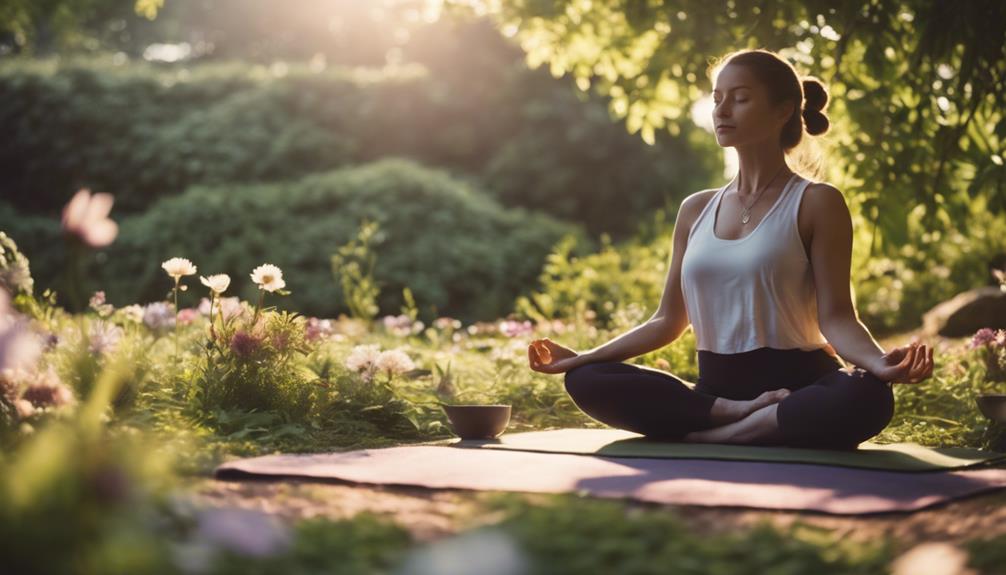
Beginning yoga does not require exceptional flexibility, expensive equipment, or long daily workouts. A useful beginner practice starts with simple movements, steady breathing, and enough patience to learn at your own pace. Whether you are completely new to yoga or returning after a break, a manageable routine can help you become more comfortable with movement and body awareness. Beginners can explore foundational yoga poses to build confidence, flexibility, and consistency in their daily practice.
What to expect as a beginner
Yoga is more than trying to place your body into advanced shapes. Early practice is an opportunity to notice how you move, coordinate movement with breath, and develop a better sense of alignment. You may feel stiff, unsteady, or unsure of the instructions at first. That is normal. The goal is not to copy the most flexible person in the room or force yourself into a pose.
Approach each session with curiosity rather than comparison. Progress may appear as easier movement, improved balance, less tension, or greater calm after practice. These changes develop gradually through regular, comfortable repetition.
A straightforward first yoga routine
A 15-minute session is enough to establish a habit. Practice on a non-slip surface in a space where you can move without distractions. Wear comfortable clothing and keep water nearby if you need it.
- Arrive and breathe: Sit or stand comfortably for one or two minutes. Notice your breathing without trying to change it immediately.
- Warm up: Try gentle shoulder rolls, neck movements, and Cat-Cow to mobilise the spine.
- Build a foundation: Practise Mountain Pose, Child’s Pose, and a slow Downward-Facing Dog, using a variation whenever necessary.
- Add standing movement: Include Warrior II on both sides, concentrating on steady feet and relaxed shoulders.
- Finish quietly: Spend a few minutes seated or lying down in a comfortable resting position such as Savasana.
Move slowly enough to understand each position. There is no need to hold a pose for a fixed length of time if your breathing becomes strained or the position feels uncomfortable.
Learning yoga at home
Home practice can be an effective way to gain confidence because you can pause, repeat instructions, and choose a session that matches your energy. If you use a video, select beginner yoga instruction that demonstrates each movement clearly, explains alignment, and provides easier options. A slower class is usually more useful at the beginning than a fast sequence that is difficult to follow.
Written sequences can also work well once you know the basic poses. Keep the first few sessions short and repeat a familiar sequence before adding new movements. Repetition helps you learn the names and general shape of poses without making every practice feel like a test.
Props and practical modifications
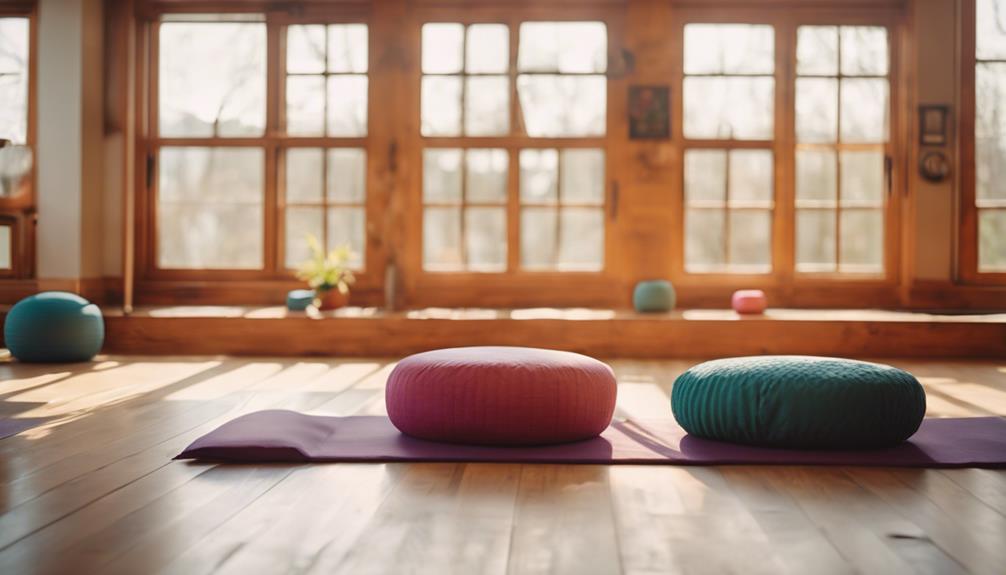
Props are not signs that you are doing yoga incorrectly. They can bring the floor closer, support balance, and make it easier to maintain a comfortable position. Useful beginner props include: Beginners can build consistency by exploring an early-day yoga routine that gently energizes the body.
- Blocks: Place them under your hands when reaching the floor feels difficult.
- A strap: Use it to extend your reach without pulling or rounding excessively.
- A folded blanket: Sit on it for additional support or use it to make resting positions more comfortable.
If kneeling or getting down to the floor is difficult, a chair-based routine can provide a gentler alternative. The best modification is one that allows you to breathe easily and remain in control.
Creating a routine you can maintain
Consistency matters more than duration. Begin with three short sessions each week rather than setting a demanding schedule that is hard to sustain. Once that rhythm feels natural, you can add another session or occasionally practise for longer.
A flexible weekly plan might include:
- One session focused on gentle mobility and stretching.
- One session combining standing poses with basic strength and balance work.
- One slower session centred on breathing, floor poses, and rest.
On busy days, a 10-minute practice can be enough to preserve the habit. On days when you feel tired or tense, choose a gentler sequence instead of treating rest as a failure. Keeping brief notes about how you feel before and after practice can help you decide when to progress.
Safety guidelines for new practitioners
Yoga should feel challenging at times, but it should not produce sharp, sudden, or escalating pain. Reduce the range of movement, leave the pose, or choose a different variation if something feels wrong. Keep your attention on steady breathing and controlled alignment rather than trying to reach a particular shape.
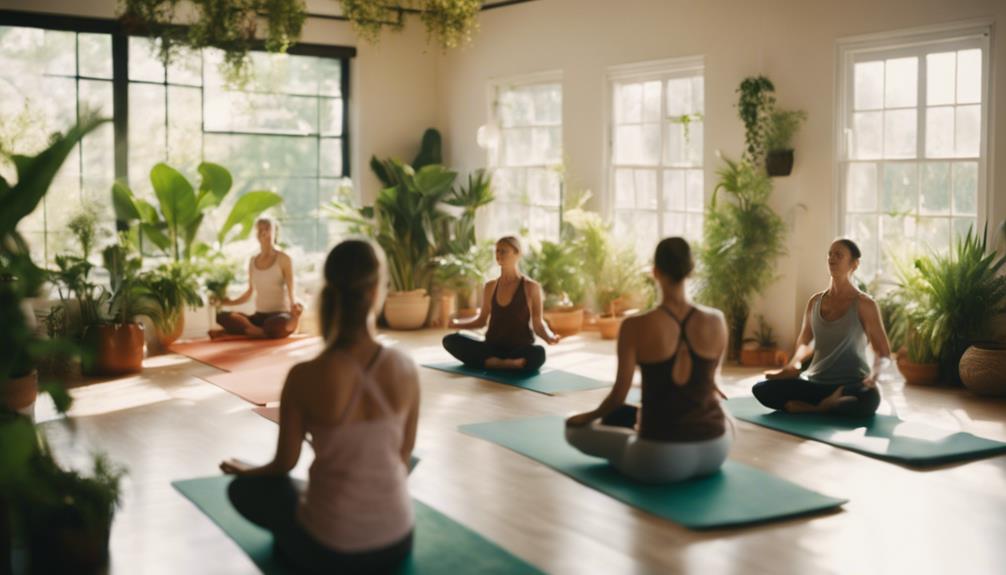
Warm up before deeper movement, change positions gradually, and avoid comparing your body with demonstrations or other students. If you have an injury, a health condition, or concerns about a particular movement, seek appropriate professional guidance before beginning. When you are ready for more feedback, an in-person beginner class can help you refine alignment and learn useful modifications.
Make the practice your own
A beginner yoga practice succeeds when it fits your real life. Choose sessions you enjoy, keep the first goals modest, and allow your routine to develop slowly. Short home practices, guided beginner videos, written sequences, and occasional classes can all support the same aim: moving with attention, breathing steadily, and building confidence one session at a time.