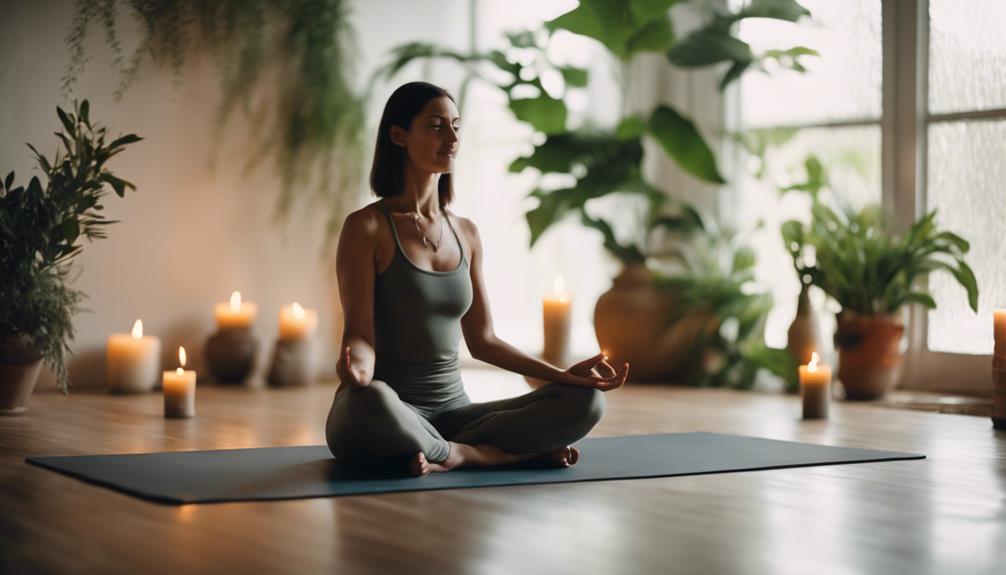

A local yoga studio can offer more than a place to attend weekly classes. It can provide structured movement, skilled guidance, opportunities for relaxation, and a welcoming community. The right studio depends on your experience, schedule, physical needs, and personal goals. By comparing classes, instructors, facilities, and pricing, you can find a practice that feels both useful and sustainable.
Explore different yoga class styles
Studios often offer several approaches to yoga, and each format creates a different experience. Understanding the general focus of each class can help you choose a suitable starting point.
- Vinyasa or flow: Breath is coordinated with movement in a sequence that may range from gentle to physically demanding.
- Hatha: Classes commonly emphasize foundational postures, alignment, breathing, and controlled pacing.
- Yin: Longer-held positions encourage stillness and may appeal to people who want a slower practice focused on mobility and reflection.
- Restorative: Props support the body in restful poses, making this style appropriate for relaxation and quiet recovery.
- Specialized classes: Some studios offer sessions for prenatal students, older adults, beginners, or people seeking trauma-informed instruction.
If you are new to yoga, look for beginner classes or introductory sessions rather than assuming every class will provide the same level of instruction. Experienced students may prefer a studio with a broader schedule and more challenging sequencing.
Consider private lessons and small-group instruction
Group classes are not the only way to practice. A private lesson gives you focused time with an instructor who can discuss your goals, observe your movement, and suggest modifications. This format may be useful if you are returning after a long break, working around a physical limitation, or seeking help with a particular aspect of your practice.
Small-group training offers a balance between personal attention and the energy of practicing with others. With fewer students, the teacher may have more opportunity to answer questions and offer adjustments while still maintaining a shared class experience. Before booking, explain any relevant concerns clearly and ask how the instructor approaches modifications.
Review instructor experience and teaching approach
Instructor qualifications are important, but so is the way a teacher communicates. Look for studios that provide clear information about their teachers’ training, experience, and areas of continuing study. Knowledge of alignment, anatomy, and adaptive techniques can be especially valuable when classes include students with different abilities.
A good instructor should make options available without pressuring students to force a pose. During a trial class, notice whether instructions are understandable, demonstrations are helpful, and modifications are presented as normal parts of practice. You should feel comfortable asking questions and choosing an appropriate level of challenge.
Look beyond the regular class schedule
Many local studios supplement their standard timetable with workshops and community programs. These may cover breathing practices, mindfulness, injury prevention, or other aspects of yoga. Donation-based classes, outdoor sessions, and open-house events can also give prospective students a chance to experience the studio’s atmosphere before committing to a membership.
Some studios work with other wellness professionals or host complementary services. These offerings vary, so review them as optional features rather than assuming every studio provides the same type of support. The most important consideration is whether the studio’s broader approach matches what you want from your practice.
Compare practical details before signing up
A studio’s location and atmosphere can strongly affect whether you attend consistently. When visiting or contacting a studio, consider the following:
- Class times that fit your work, family, and transportation schedule
- A clean, comfortable, and well-ventilated practice room
- Available equipment such as mats, blocks, straps, and bolsters
- Clear pricing for drop-in visits, class passes, memberships, or introductory offers
- Online registration and cancellation policies that are easy to understand
- Accessibility features and practical amenities that matter to you
Pricing should be transparent, including any expiration dates, reservation requirements, or membership commitments. A lower-cost option is not necessarily the best value if its schedule makes regular attendance difficult.
Match the studio to your goals
Start by identifying what you want from yoga. Your priority might be building a consistent movement routine, learning foundational techniques, managing everyday stress, improving balance, or finding a stronger sense of community. Different studios may suit different goals.
Try more than one class if possible. A single visit can help you evaluate the pace, teaching style, room setup, and overall culture. You can also ask whether the studio recommends a particular class for beginners or offers an introductory package. Pay attention to how you feel during and after the session: the right environment should encourage steady participation without making you feel rushed or judged.
Build a practice you can maintain
Local yoga studio services are most useful when they fit naturally into your life. A varied schedule, supportive instruction, suitable class options, and straightforward pricing make it easier to attend regularly. Take time to compare studios, ask practical questions, and select a setting that supports your needs. The best choice is not necessarily the largest or most specialized studio, but the one where you feel comfortable learning and returning.
Related Guides