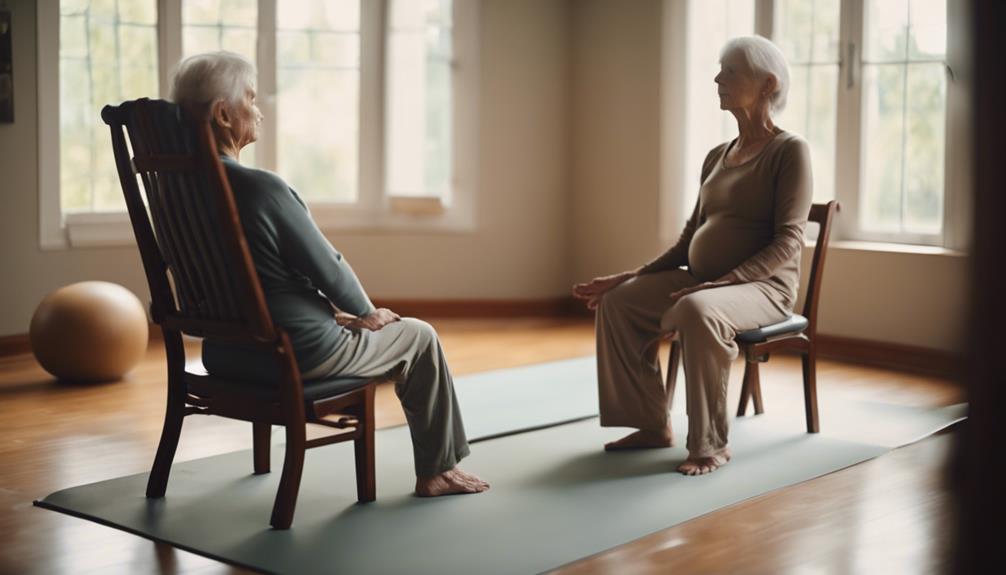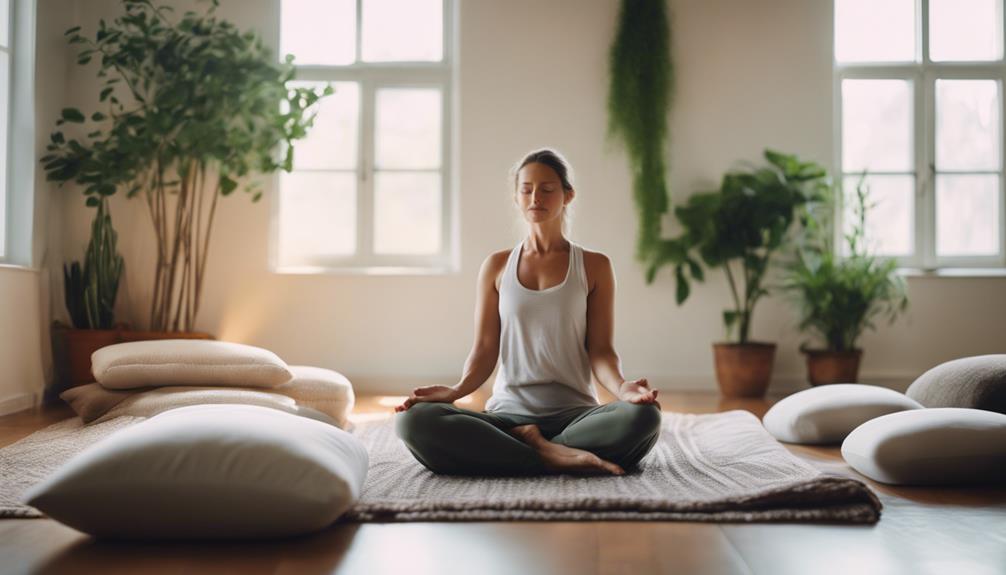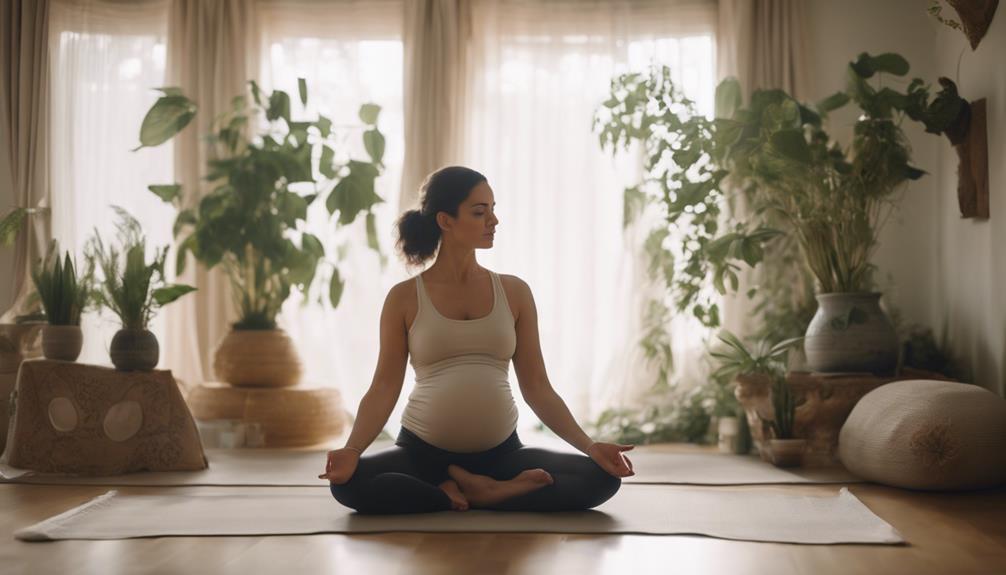
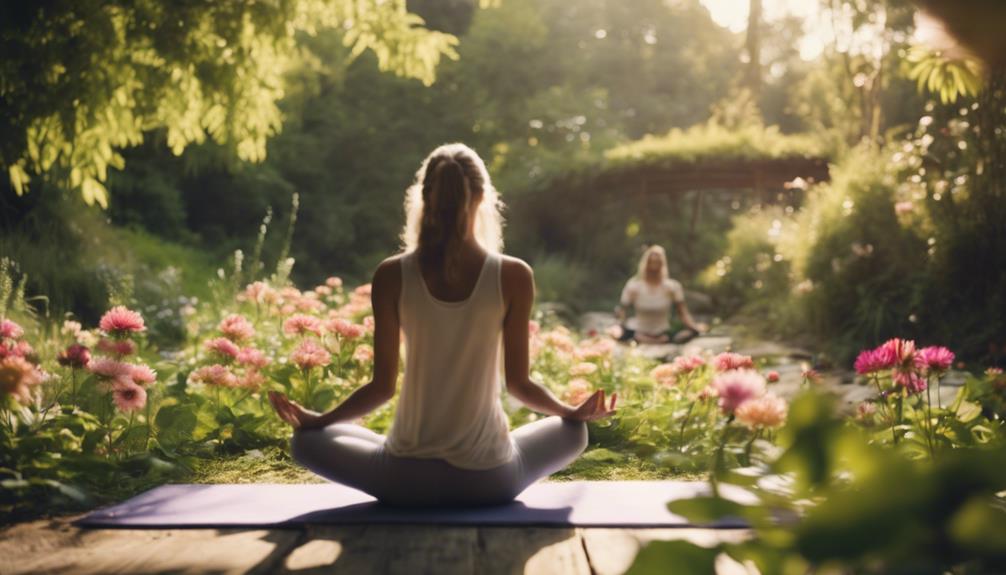
A wellness retreat in Massachusetts can offer a welcome pause from busy routines, combining yoga, meditation, nourishing meals, and time in nature. Whether you are beginning a yoga practice or looking for a more focused experience, the right retreat can create space for movement, reflection, and healthier daily habits. Explore Massachusetts yoga workshops to extend the restorative practices and mindful routines begun during your wellness retreat.
Retreats throughout the state vary in length, setting, and style. Some take place near the coast, while others are surrounded by forests, hills, lakes, or farmland. Many are designed to balance structured instruction with unhurried personal time, giving participants an opportunity to learn without feeling overscheduled.
Why choose a Massachusetts wellness retreat?
Massachusetts offers a range of landscapes that can support a restorative getaway. A retreat near the ocean may include outdoor movement and quiet time by the water, while a rural or mountain setting can encourage hiking, solitude, and a slower pace. The change of environment itself can make it easier to step away from work, screens, and familiar responsibilities.
Many wellness programs also connect their activities to the surrounding place. Seasonal meals, outdoor walks, local cultural experiences, and nature-based practices may complement the central yoga schedule. These details can make the retreat feel less like a series of classes and more like a complete reset for body and mind.
What to expect from a yoga-focused retreat
A typical retreat schedule combines active sessions with opportunities to rest. Mornings may begin with a yoga class, followed by breakfast and a workshop. Depending on the program, workshops might explore alignment, breathing techniques, meditation, yoga philosophy, or ways to adapt poses for different needs.
Afternoons are often less structured. Participants may have time for a nature walk, journaling, a treatment, reading, or quiet reflection. Evening programming can include restorative yoga, gentle stretching, or guided meditation.
The specific balance depends on the retreat, but useful programs generally make room for different experience levels. Before booking, look for clear information about:
- The yoga styles and class intensity included in the schedule
- Options for modifying poses or taking breaks
- The amount of free time between activities
- Whether meditation, workshops, or outdoor activities are optional
- Any requirements related to fitness, experience, or equipment
If you have an injury, health concern, mobility limitation, or dietary restriction, contact the organizers before registering. They can explain what accommodations are available and help you decide whether the program is appropriate.
Wellness retreats in the Berkshires
The Berkshires are a natural choice for travelers who want a peaceful setting with opportunities for cultural exploration. Forested trails, rolling hills, quiet lakes, and small towns create a setting well suited to outdoor practice and mindful time away. Explore silent yoga options when comparing peaceful Massachusetts wellness retreats focused on mindfulness, movement, and personal renewal.
A wellness retreat in the Berkshires may combine yoga with hiking, seasonal food, creative activities, or visits to nearby arts and cultural attractions. Some programs may also offer specialized sessions such as restorative yoga, back-care practices, sound-based relaxation, or partner work. Availability differs by retreat, so review the program details rather than assuming every offering includes the same activities.
The region can suit people who want more than a strictly scheduled retreat. You may prefer a program with long periods of quiet, or one that leaves room to explore nearby towns and landscapes between sessions.
How to choose the right retreat
Start with the reason you want to attend. Your priorities might include reducing stress, developing a consistent practice, learning meditation, spending time outdoors, or simply taking a break from routine. A clear intention makes it easier to compare programs.
Next, consider the practical details:
- Length: A weekend retreat offers a shorter reset, while a longer stay may allow more time for rest and reflection.
- Teaching approach: Read instructor biographies and class descriptions to understand the tone and level of instruction.
- Schedule: Check whether the day is highly structured or includes substantial free time.
- Accommodation: Confirm room arrangements, privacy, accessibility, and what is included in the price.
- Food: Ask about menus and whether dietary needs can be accommodated.
- Location: Decide whether you want a remote setting or convenient access to nearby towns and transportation.
Preparing for your retreat
Review the schedule before you travel so you know what to expect. Pack comfortable clothing for yoga and outdoor activities, layers for changing temperatures, suitable walking shoes, and any personal equipment you prefer to use. A mat, strap, or other props may be supplied, but it is worth confirming in advance.
Set a simple intention for your stay rather than trying to solve every problem at once. You might focus on being present, creating a regular movement routine, or making more time for rest. If possible, arrange travel details and work responsibilities before arrival so you are not managing them during the retreat.
Bringing the experience home
A retreat does not need to lead to a complete lifestyle overhaul. Choose one or two practices that feel realistic in ordinary life. A brief morning stretch, several minutes of breathing, a weekly yoga class, or a short period without screens can help carry the retreat’s lessons into your routine.
Writing down useful observations before leaving can also help. Note which practices supported your energy, focus, sleep, or mood, then revisit those notes after returning home. Small, repeatable changes are more sustainable than trying to recreate the entire retreat schedule.
With thoughtful planning, a Massachusetts wellness retreat can provide a meaningful combination of movement, learning, nature, and rest. The best choice is one that matches your goals, comfort level, schedule, and preferred setting—and gives you practical tools to continue caring for yourself after the retreat ends.